Juneteenth

by Lily Austen

It is often difficult to find engaging books for our emergent readers, but Juneteenth (series Holiday Fun!) will be a favorite with its full page photos and simple text. Readers will discover many of the elements unique to this holiday as they explore the photos and read the brief sentences. There are many important nonfiction elements, including: Table of contents, index, labels and ‘words to know’ list. Repetitive, controlled vocabulary and short sentences will aid in reading success. Photos show diverse subjects and settings. There are sixteen books in the series. Purchase this set to update your holiday collection and attract your newest readers. Recommended.

Holi

by Lily Austen

It is often difficult to find engaging books for our emergent readers, but Holi (series Holiday Fun!) will be a favorite with its full page photos and simple text. Readers will discover many of the elements unique to this holiday as they explore the photos and read the brief sentences. There are many important nonfiction elements, including: Table of contents, index, labels and ‘words to know’ list. Repetitive, controlled vocabulary and short sentences will aid in reading success. There are sixteen books in the series. Purchase this set to update your holiday collection and attract your newest readers. Recommended.

Fourth of July

by Lily Austen

It is often difficult to find engaging books for our emergent readers, but Fourth of July (series Holiday Fun!) will be a favorite with its full page photos and simple text. Readers will discover many of the elements unique to this holiday as they explore the photos and read the brief sentences. There are many important nonfiction elements, including: Table of contents, index, labels and ‘words to know’ list. Repetitive, controlled vocabulary and short sentences will aid in reading success. There are sixteen books in the series. Purchase this set to update your holiday collection and attract your newest readers. Recommended.

Day of the Dead

by Lily Austen

It is often difficult to find engaging books for our emergent readers, but Day of the Dead (series Holiday Fun!) will be a favorite with its full page photos and simple text. Readers will discover many of the elements unique to this holiday as they explore the photos and read the brief sentences. There are many important nonfiction elements, including: Table of contents, index, labels and ‘words to know’ list. Repetitive, controlled vocabulary and short sentences will aid in reading success. Purchase this book to update your holiday collection and attract your newest readers. Recommended.

Firefighter Heroes Book Set

by Spencer Brinker

Do you need to update your community helpers section of your library? This four book set geared toward your youngest learners is perfect! Each of the four books focuses on a different type of firefighter. Titles include: Smoke Jumpers, Firefighters on the Water, Airport Firefighters and City Firefighters.

Simple text and exciting photos that illustrate each firefighter’s type of job in an emergency situation are very engaging. For example, Smoke Jumpers starts with a forest fire scenario and moves through the course of fighting the fire, showing equipment and the work of the smoke jumpers.

There are several important nonfiction text features in these books. A basic table of contents and index show the book’s organization for young readers. Headings are clearly identifiable and students can easily find the sections they want. Unfamiliar words are in bold type and defined in the glossary. Each two page spread has a short passage and large photo that illustrates the text. Many of the photos are labeled to further note the important details. Additional exploration is possible with suggested books and webpages noted at the end.

These books are a well-organized and appealing introduction to different firefighting jobs and a sound purchase for those libraries looking to update their collection. Teachers will appreciate the many nonfiction text features. Students will love these books, because they are exciting and fresh, with many different types of people doing jobs that kids might want to do in the future Highly recommended.

Vulture View

written by April Pulley Sayre and illustrated by Steve Jenkins

Take a look at the daily life of a vulture from its graceful soaring flight to its meticulously clean feathers. This species provides a great service by cleaning up after everyone by eating what no one else really wants. Carrion eaters are an important part of nature’s food web and vultures do a great job of it. End matter and author’s notes have been updated and reflect the newest information available about these often maligned scavengers. Illustrations have been color enhanced as well.

Add this award-winning book to your nonfiction section. It will become a favorite among students, who will delight in the daily life a this majestic bird. If you already have it, I suggest an update. It’s worth it! Highly recommended.

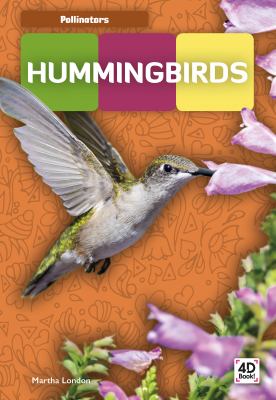
Hummingbirds (Pollinators)

by Martha London

Hummingbirds describes the life and importance of hummingbirds. Facts are presented with accompanying photos and QR codes are interspersed throughout with added videos, activities and information. Unfamiliar words are bolded and colored with a glossary at the back of the book. There is a page of connections to consider, an index and further information as well.

This book packs a lot of information into 32 pages and the extras via QR codes make it a fantastic addition to your science collection. Photos are clear and brilliant, a timeline of the lifecycle is well-done and text spacing all make this book accessible for many readers.

It is part of a series called Pollinators and should be a first choice when updating your collection. It is geared toward upper elementary, but will prove useful (with guidance) for the younger readers. Free teaching resources are included. Highly recommended.

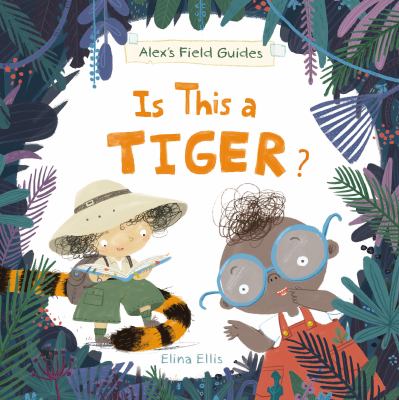
Is This a Tiger?

by Elina Ellis

Atticus wants to meet a tiger. Luckily, his friend, Alex, has all the information in her journal and is eager to share. As Alex shares a characteristic of the animal (“they have stripes” and “they have big teeth”), Atticus locates other animals with the same attributes that are not tigers (skunks, lemurs and zebras have stripes, too!). Finally, Atticus is able to find an animal that has all the characteristics that Alex has described. And, the final page shows Atticus and Alex running from the tiger that they found.

This book is sneaky! The reader is lured into learning some great information about tigers while enjoying a happy romp through a story where two kids are looking for a tiger and find everything but one until the end. In addition, there is information about the other animals that Atticus mistook for tigers along the way. The book ends with some great resources, including organizations that work to preserve the existing populations of tigers. Illustrations are vibrant and fun and the energy abounds in this fun-to-read addition to the Alex’s Field Guides series.

Beginning to End: Wind to Electricity

“Wind to Electricity” simplifies the process of converting wind into energy, making it easy for students to understand. The book features photographs of wind turbines, generators, substations, and more, which help illustrate each step of the process, making it both educational and engaging for students.

The book includes several helpful text features, such as a table of contents, headings, labels, bold words, a glossary, a map, and an index. It’s designed for primary students, with just 1-3 short sentences on each page. This book is an excellent source to introduce younger students to renewable energy. 

I recommend adding this book to your library collection.

Beginning to End: Sand to Glass

“Sand to Glass” is a journey through a glass factory, where students can see the fascinating machines and equipment used in the glass making process. Part of a series that explains how everyday items are made, this book features photographs that vividly illustrate each step, making it both educational and enjoyable for students.

The book includes several helpful text features, such as a table of contents, headings, labels, bold words, a glossary, a map, and an index. It’s designed for primary students, with just 1-3 short sentences on each page.

This book is an excellent tool for teaching students about processes. On page 19, it provides a simple diagram that recaps each step, making it easy to understand.

I recommend adding this book to your library collection.