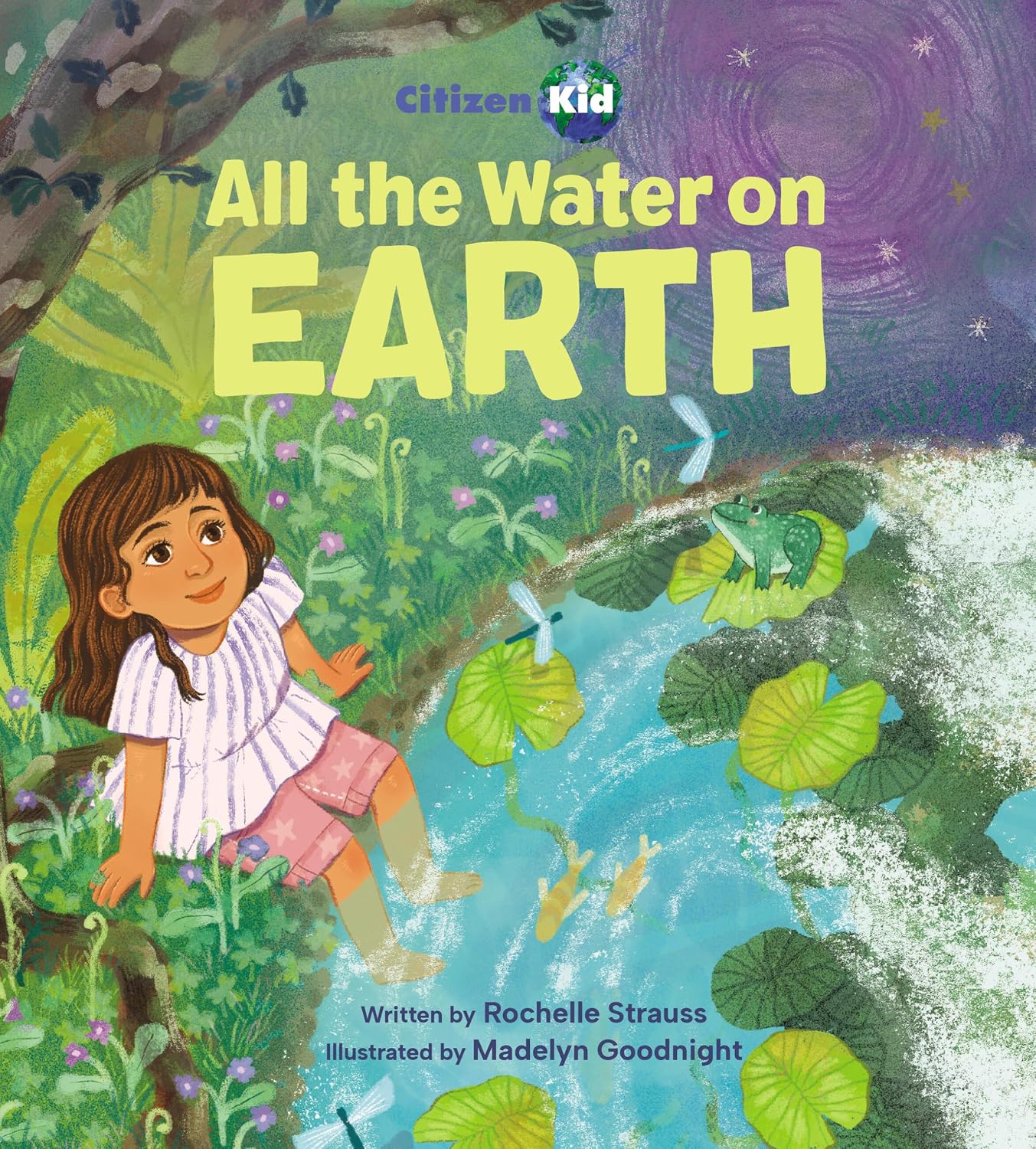
All the Water on Earth

Written by Rochelle Strauss; Illustrated by Madelyn Goodnight

“All the water on Earth…is all the water on Earth.” In explaining this concept, the author first invites the reader to notice the water around them and explains water is not always seen. It is underground, in plants and animals, and even in the air. Both states of water and the water cycle are alluded to, but not explicitly explained. The sameness of water in different parts of the world is used as a tool to show the interconnectedness of life on Earth. The reader is asked to notice the everyday uses of water and is reminded that nearly everything around us used water in some way during its creation. Some ways water is polluted are explained and the author calls the reader to act to protect our clean water. Back matter includes an author’s note on the importance of water, discussion questions, and a Discover More containing fifteen websites.

Pair with We Are Water Protectors as part of an Earth Day focus on water advocacy or with The Water Princess to connect with clean water and the universal need for water.
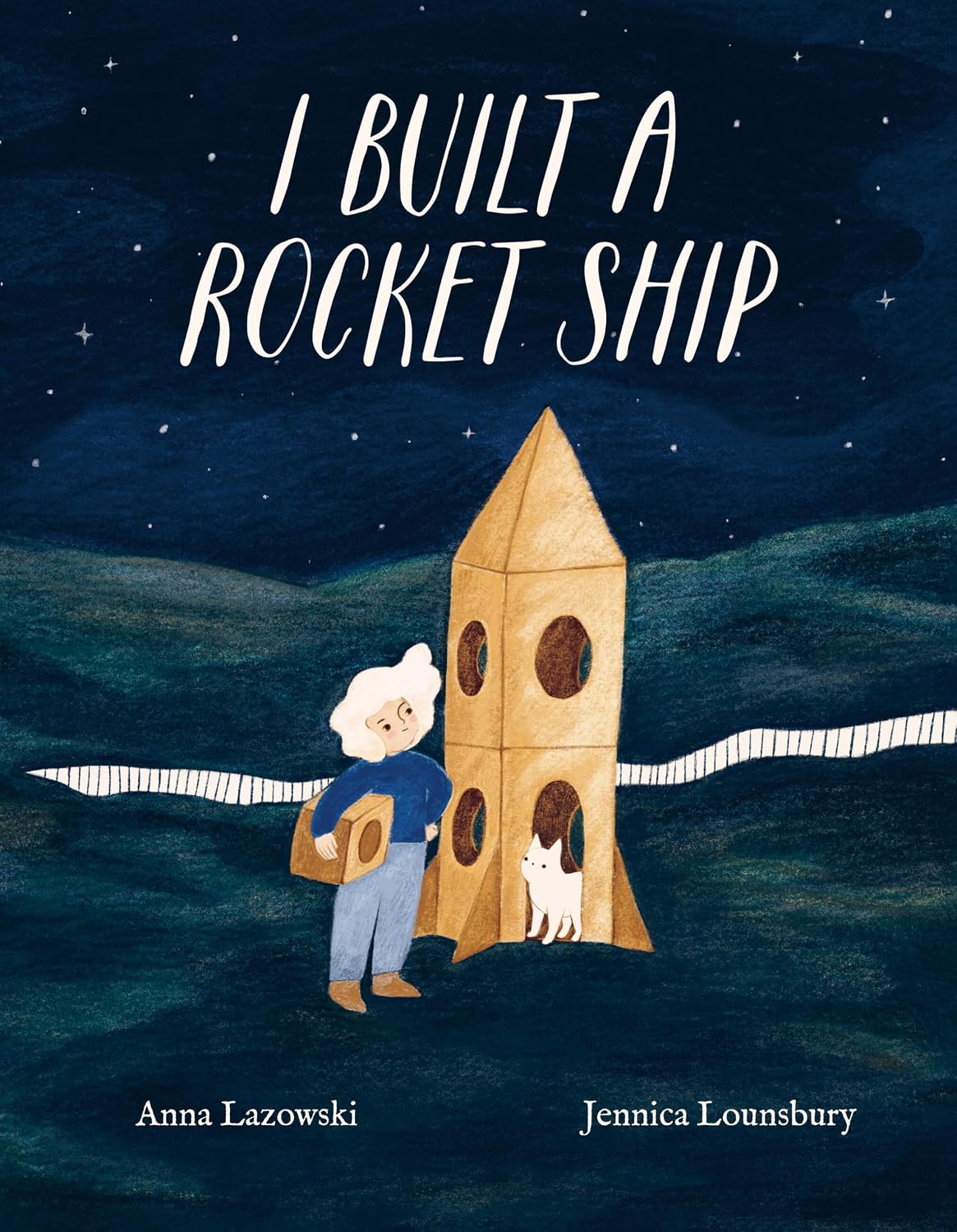
I Built a Rocket Ship

Written by Anna Lazowski; Illustrated by Jennica Lounsbury

A child is struggling with the loss of a loved one. The child made a promise to remember. Yet the lost loved one feels as far away as the stars. The refrain of “I built a rocket ship” is repeated throughout the book and reinforces the power of doing when emotions feel overwhelming. Through the act of creation, the child narrates the past experiences and memories in hopes of feeling closer to the lost loved one. Each step in the construction and furnishing of the rocket ship brings another connection to the lost loved one. The father is a soothing presence nearby, providing emotional support and sharing some of the memories.

While the feeling of grief permeates the story, the remembrances of love and connection soothe the edges of the grief. It is a relatable story for anyone who has ever lost a loved one.

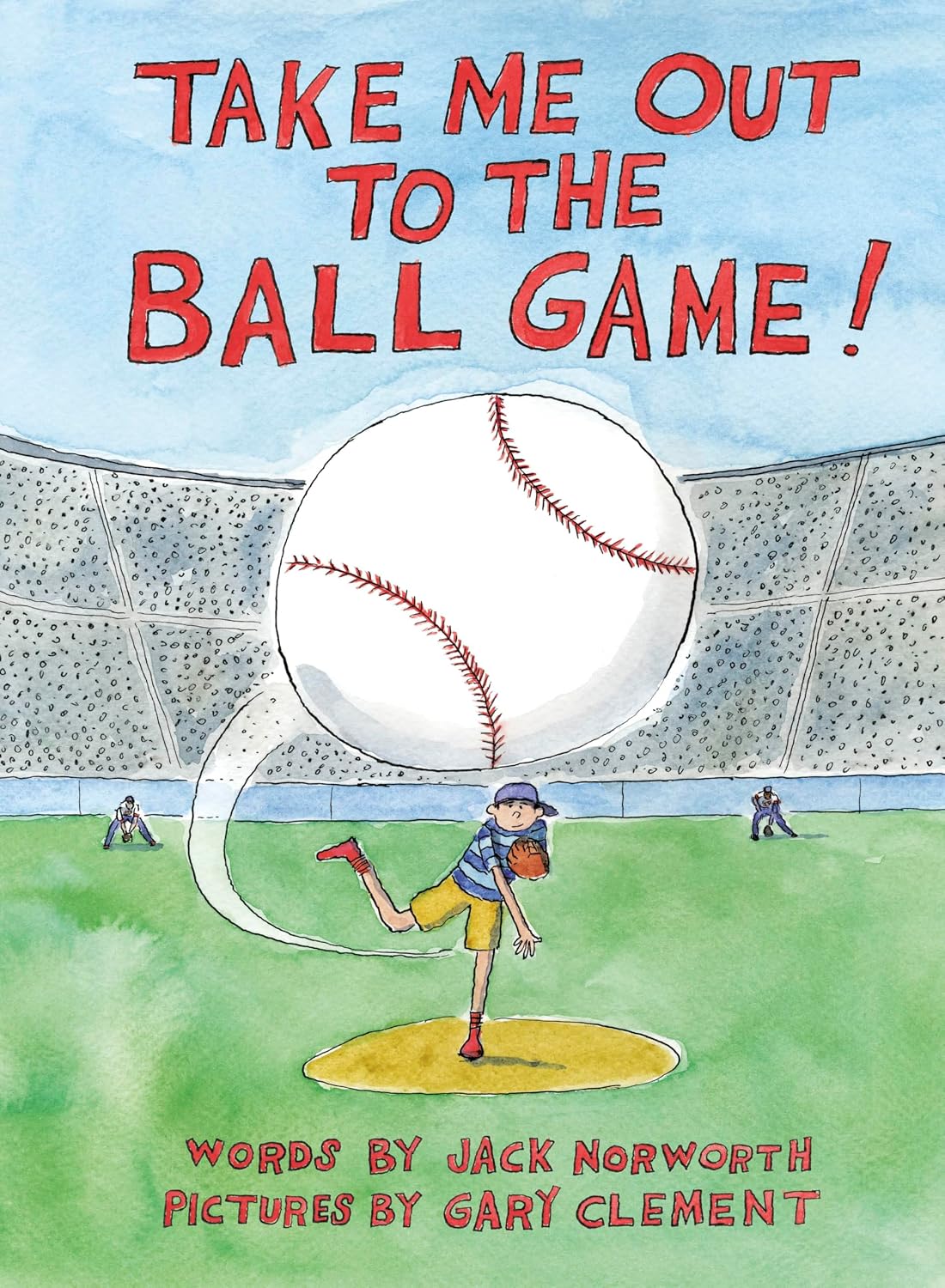
Take Me Out to the Ball Game!

Words by Jack Norworth; Illustrated by Gary Clement

A young boy tries to convince his father to take him to a baseball game with the words from classic baseball Anthem, “Take Me Out to the Ball Game”. The boy in his blue striped shirt acts out all the important roles; concession worker, fielder, pitcher, base runner, and umpire. With his success in convincing his dad, the two drive into town and munch crackerjacks in the stadium stands.

Cartoon-like illustrations vibrantly show the motion and excitement of a baseball game. A great read-aloud choice for young sports fans. 

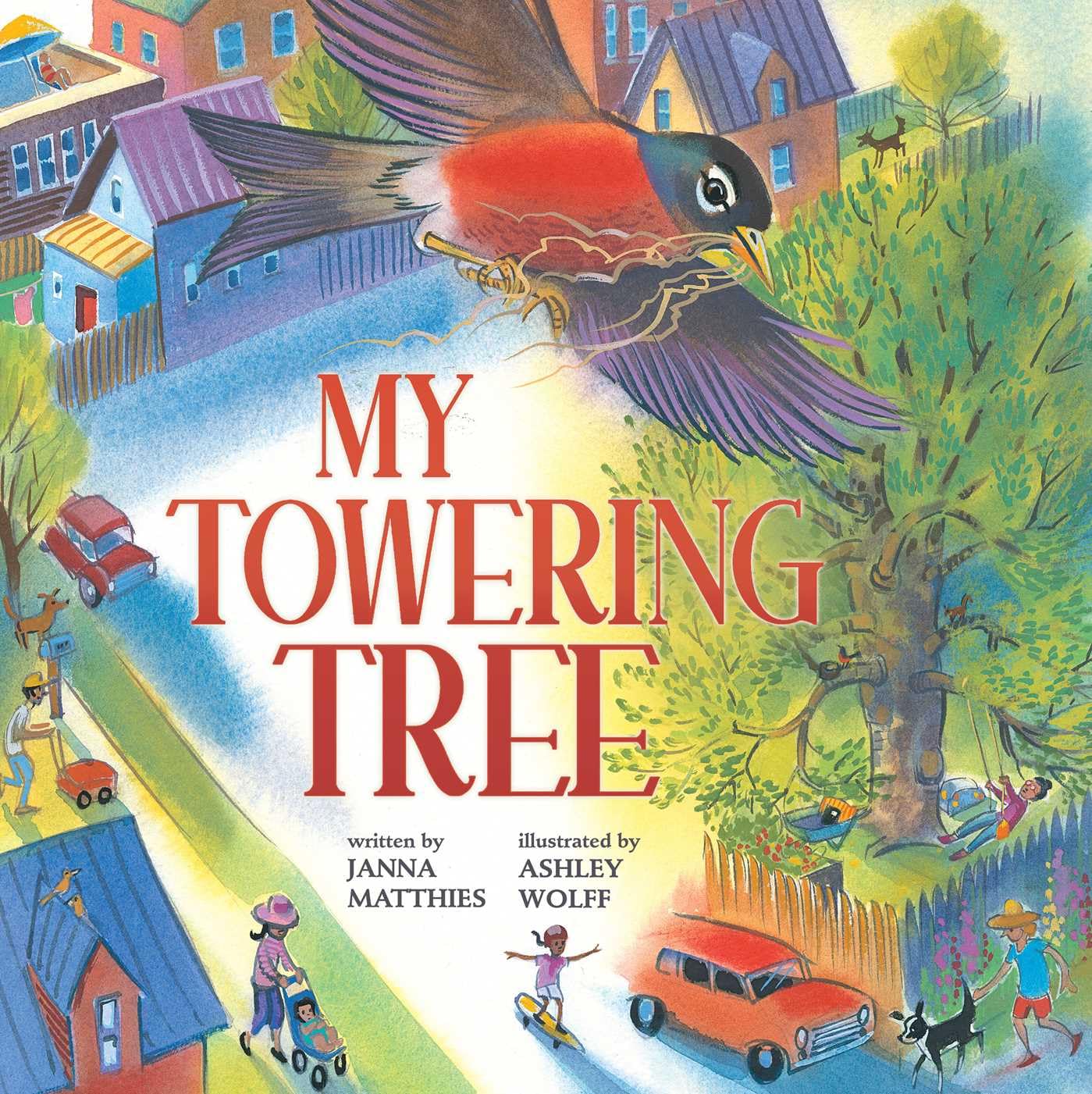
My Towering Tree

Version 1.0.0

Written by Janna Matthies; Illustrated by Ashley Wolff

Take a deep breath and enjoy the world found under a towering tree. A young girl centers herself as she sits under a tree and absorbs the world around her. A buzzing bee, a zigzagging squirrel, the soft warm sun all share the space with her. The rhyming predictable text sets a soothing cadence reinforced with rich warm illustrations. Use as a read aloud to inspire nature-lovers or as a mentor text for mindfulness.

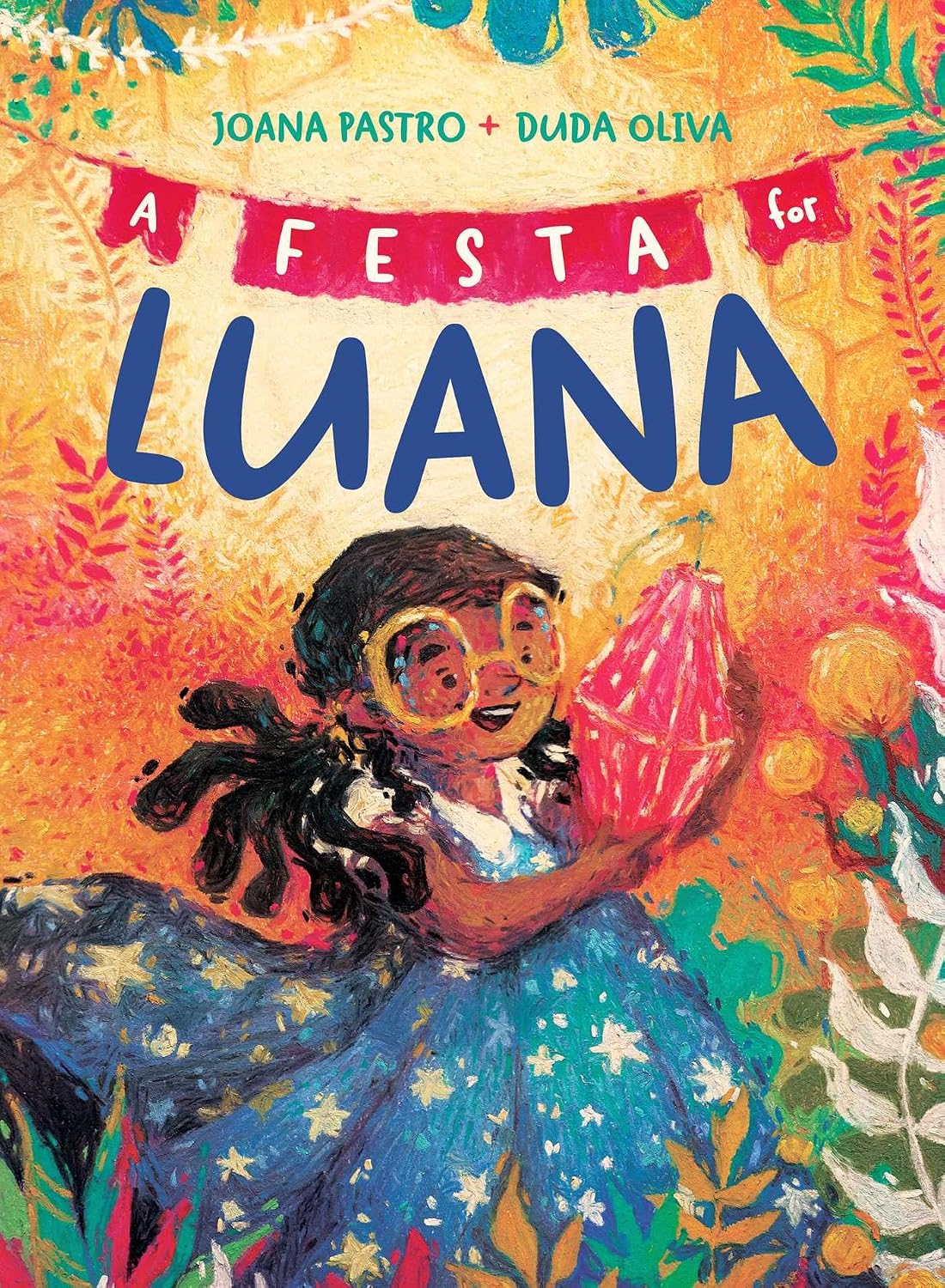
A Festival for Luana

Written by Joana Pastro; Illustrated by Duda Oliva

Luana cannot contain her excitement to reach her grandparents’ house in Brazil. Her arrival feels like a carousel as her grandpa swings her around. It’s only when her grandma introduces her as “my American granddaughter” that she starts to feel like she doesn’t belong. As Luana prepares with her family for the celebration of Festa Junina, her creativity transforms her pretty dress from America into something that represents both her American and Brazilian sides. Now that Luana feels like she belongs, she’s ready to jump right into the dancing. The story reinforces the message that identity doesn’t have to be exclusionary.

Portuguese words are used sparingly to support the story. The illustrations’ warmth helps portray the joy and love of the extended family. Back matter shares the author’s connection to Festa Junina, provides a glossary of Brazilian Portuguese words and includes a recipe for Bolo du Fuba.

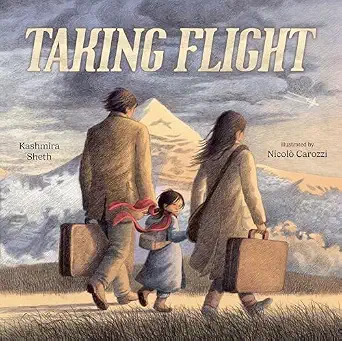
Taking Flight

By Kashmira Sheth; Illustrated by Nicolo Carozzi

Taking Flight tells the story of three refugee children from different parts of the world.. All three leave all they have ever known, face an exhausting journey only to end up living in a tent at a refugee center. Finally they move on to their new home with hope for a better future. Chesa from Tibet, Karim from Syria, and Yanna from Ukraine remain nameless until they reach out and name themselves to the children at their new school. Through those new friendships, they come to see the similarities between themselves and the people around them. They feel like they belong. Incredible illustrations reinforce the feelings of sadness, exhaustion, fear, and finally hope faced by refugees.

Highly recommended for all libraries.

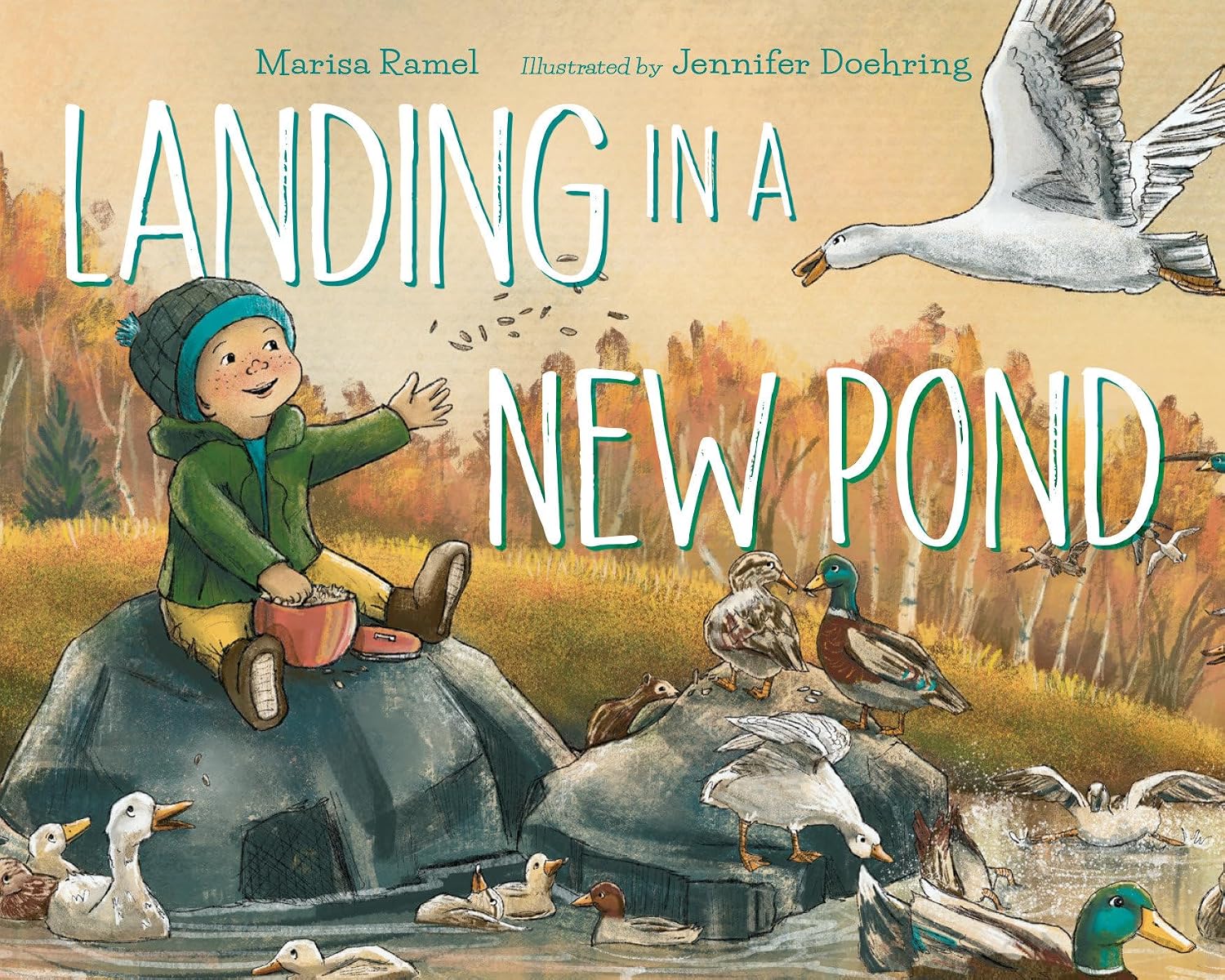
Landing in a New Pond

Written by Marisa Ramel; Illustrated by Jennifer Doehring

A young boy, his mother, and younger sister move to a new home. He misses his friends. The only friends he makes are 41 ducks. Caring and interacting with the ducks becomes an essential part of his days. When the ducks eventually fly south for the winter, the boy is devastated. Only then does he connect with his younger sister. As she grows to an age more able to play, that growing relationship starts to bring him joy.

The precious illustrations show the expressions that move across a young child’s face as he experiences the upheaval leaving a familiar place. This is a story about moving, finding connections, and building relationships. It is based on the author’s experience of moving with young children during the pandemic.

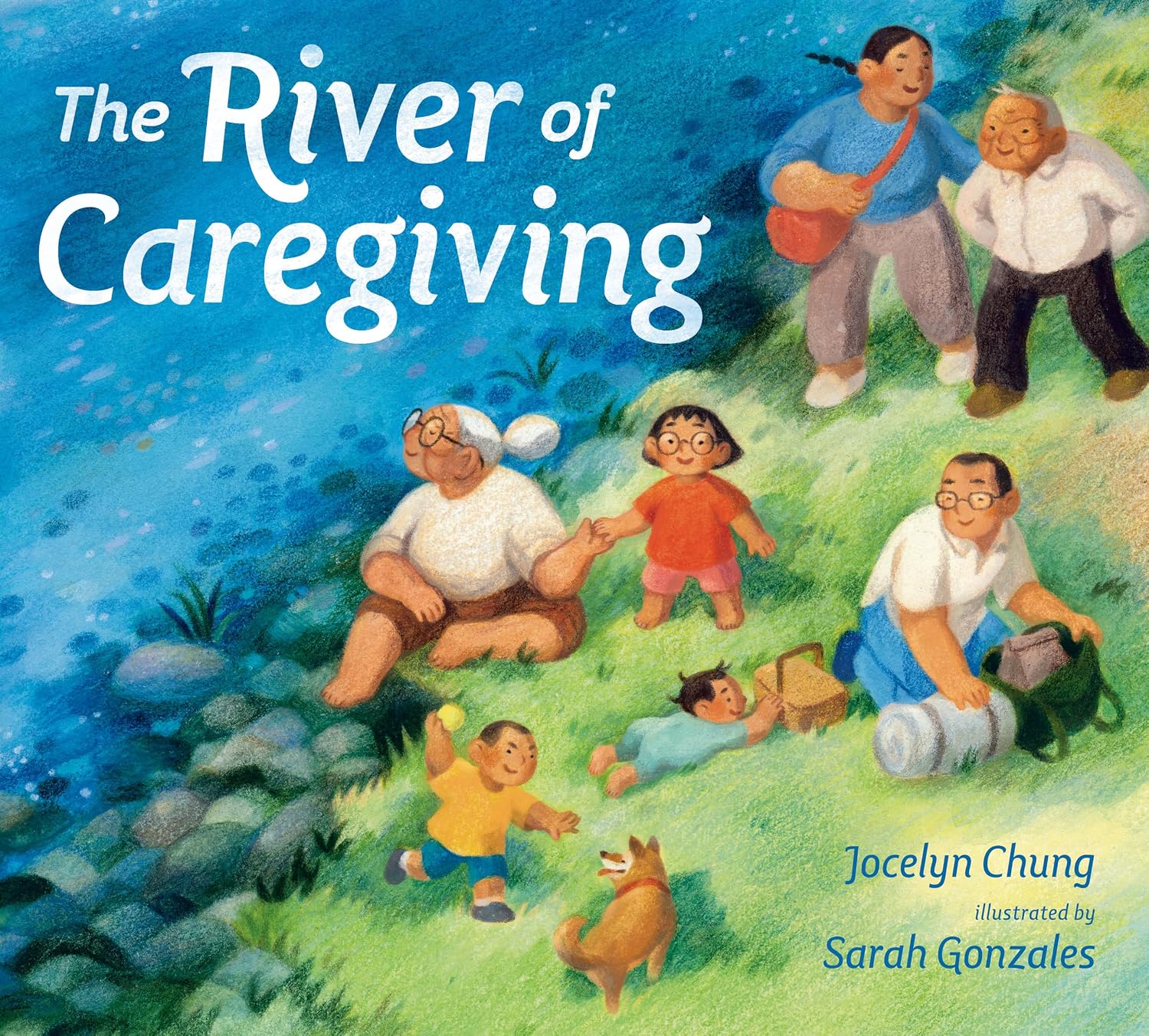
The River of Caregiving

Written by Jocelyn Chung; Illustrated by Sarah Gonzales

Using a river as a metaphor for the love and care that flows throughout an extended multi-generational family, a young child explains how acts of kindness and support are not one directional. Familial titles used in the story are Taiwanese in origin. On first reading, the uncertainty of the meaning of those words helps make the story feel universal. The interconnectedness of support from acts of caregiving strengthens the whole family and the care of any lost member will continue to be felt through the lasting impact of past caring (the fruit trees planted by A-gong or Great Auntie’s knitted clothing). The change in flow, speed, or adjustment of course of the caregiving is to be expected, respected, and celebrated.

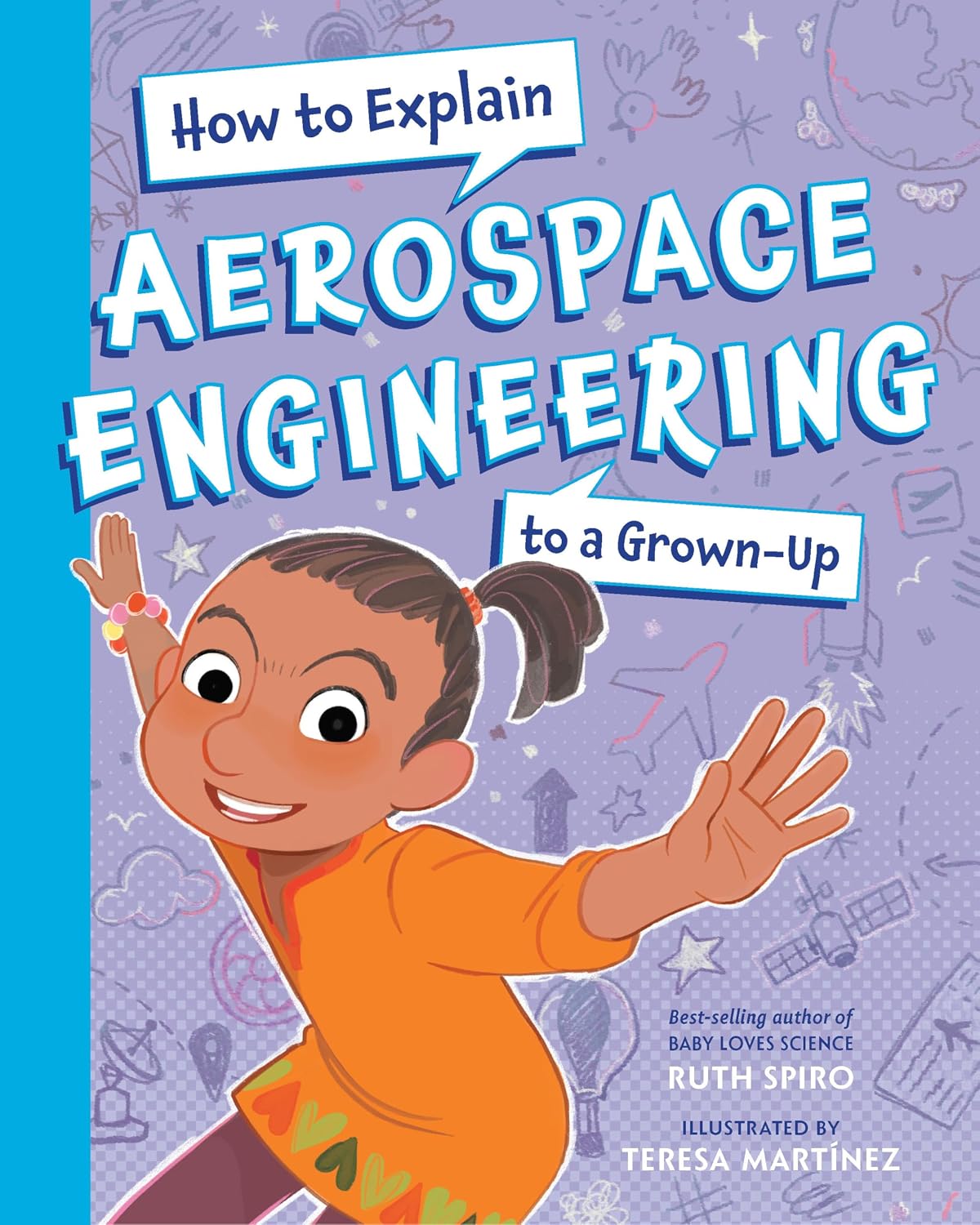
How to Explain Aerospace Engineering to a Grow-Up

Written by Ruth Spiro; Illustrated by Teresa Martinez

A young girl and her mother are on a trip to visit a space center. Along the way the young girl explains the concepts behind flight and the difference between airplane and spacecraft flight. Science books for children often struggle with a balance of keeping concepts simple enough to understand yet detailed enough to provide accurate details. This book accomplishes this beautifully with some engaging humor thrown in. Added to that, this is a young girl explaining the concepts which makes it a wonderful example of the importance of understanding audience in informational writing.

The illustrations show the girl and her mother throughout their trip as well as embedded labeled diagrams explaining aerospace concepts. Back matter provides a variety of spacecraft and their purposes and a glossary. This book is part of a four title series How to Explain.

In Case I Go Missing

Even before you dive into In Case I Go Missing, author R. N. Swann maintains a bit of a mystery about herself.  Although the publisher provides a picture of her in the inside jacket cover, she publishes exclusively under her pen name and initials, R. N. Swann. Her unabbreviated first and middle names have not been publicly disclosed or shared in her official biographies.

For those who enjoy reading young adult mystery novels, this 385-page, wide line spacing typeset is a quick read and lives up to its reviews: “Early praise from Kirkus Reviews calls the novel “immersive and tightly plotted,” while School Library Journal deems it “a compelling story that succeeds by focusing as much on the emotional toll of grief and betrayal as it does on the mystery.” 

Feeny Allen’s best friend, a seventeen-year-old amateur detective, Sarah Vincenty, has disappeared under mysterious circumstances. A who-done-it mystery, Sarah had been a girl “obsessed” with solving big cold cases in the town where she lives.  Feeny finds a binder that Sarah titled, “In Case I Go Missing.”  In the binder, eight names are listed as possible suspects in an investigation Sarah was conducting — these same names Feeny believes were responsible for Sarah’s disappearance. Secrecy, conflict, threats, and the occasional curse word push the plot along. Divided into three parts, each chapter reveals more and more clues.  Written more like a diary, bouncing between dialog and recollections of Sarah’s from the past few years, it is a fast-paced, easy read, with wider line spacing and larger font, which should appeal to reluctant readers who will want to find out what happened to Feeny.

-Richard Bender, edited by Kristi Bonds