Red Rover, Red Rover, Send a Vowel Over

Written by Kimberlee Gard and illustrated by Sandie Sonke

In this “Language is Fun!” book, the shy vowels take some convincing from the letter ‘Y’ to play a Red Rover style game. In this game, the consonants are trying to make words, which doesn’t work so well when the vowels don’t join in.They feel different than their consonant friends and they don’t really want to call attention to themselves. ‘Y’ knows how they feel, because (as he explains) he’s a little different as well. Sometimes he acts like a vowel and sometimes he acts like a consonant. Fortunately, ‘Y’ talks the bashful vowels into being part of the game (“Every word needs a vowel!”) and it is so much fun!

Bright, colorful anthropomorphic letters dance across the pages and simple clean lines make an attractive read. This story will work well in the lower grades where teachers want to introduce or reinforce the concept of vowels and consonants.
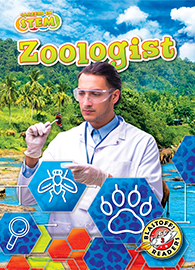
Careers in STEM: Zoologist

In Careers in STEM: Zoologist, the reader is introduced to what a zoologist is and the explores some of the diverse kinds of animals a zoologist might study. The book continues with information on what types of things that zoologists study and how they go about that study. It also includes how a person becomes a zoologist.

Bellwether Media again does a great job with a series that provides age appropriate content in an engaging and accessible way. With supportive non-fiction text features (table of contents, labels, bold glossary terms, and index) the reader has helpful tools to enhance comprehension.

Additional resources linked through Bellwether Media’s FactSurfer portal provide extended learning opportunities with one text resource and one video resource. A third link is not functional at this time.

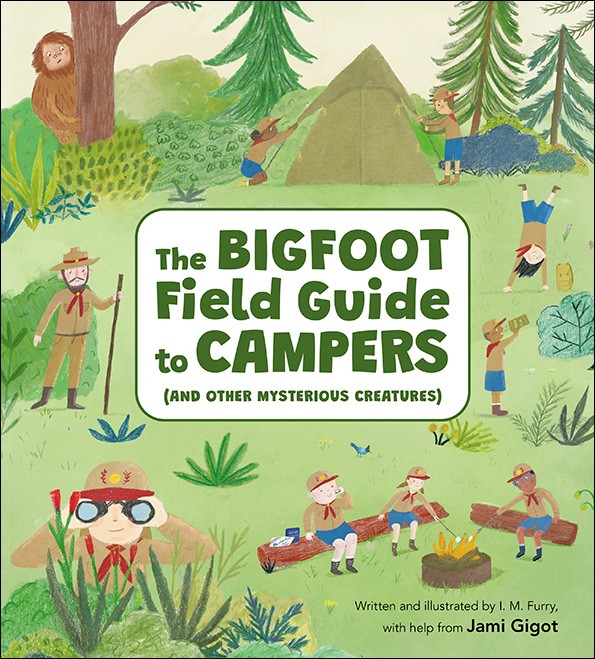
The Bigfoot Field Guide to Campers (and Other Mysterious Creatures)

By Jami Gigot

The Bigfoot Field Guide to Campers (and Other Mysterious Creatures) by Jami Gigot is a charming story told from Bigfoot’s point of view. Styled as a guide for sasquatches, it warns about the mysterious and dangerous creatures known as “campers.” The text offers tips on how to stay safe when campers enter the woods, and these are peppered with a bit of potty humor that will keep elementary-age kids laughing.

The text of the book is contrasted with the illustrations. While Bigfoot is advised to stay far away from humans, the pictures tell a sweeter story of a forming friendship between a camper and a sasquatch. It’s a cute and funny book that encourages looking beyond fear and embracing connection.

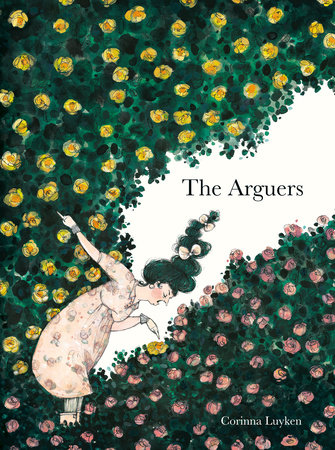
The Arguers

By Corinna Luyken

Corinna Luyken’s The Arguers is a fairy tale that turns a small disagreement into an absurd adventure. What begins as a debate over how best to comb the king’s beard quickly grows into a full-blown argument about everything imaginable. Soon, arguing becomes the kingdom’s favorite activity. Kids will find it especially funny when the characters start bickering with flowers and stones, and adults may quietly recognize themselves in the chaos.

Luyken’s illustrations will captivate kids, and they add whimsy to every page. It is a lovely book, and I can see families using it as a reference point for small disagreements around the home. This would be a great addition to any family collection or library.

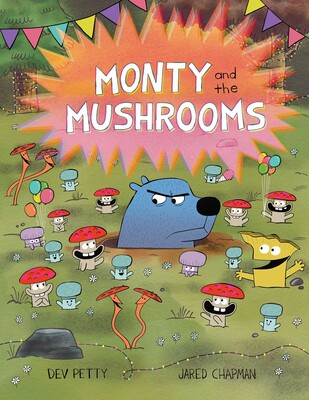
Monty and the Mushrooms

By Dev Petty and Jared Chapman

Apparently, mushrooms are incredibly loud. Monty, a marmot who loves peace and quiet, isn’t thrilled when a gust of wind blows spores near the entrance to his home, bringing a rowdy group of noisy mushrooms to his neighborhood. In this charming story by I Don’t Want to Be a Frog author Dev Petty, Monty must figure out how to cope with his unexpected new neighbors.

Packed with silly mushroom antics and even a catchy mushroom song, this book is sure to have kids giggling. The dialogue-rich text includes a few challenging words like irritable and fretful, but overall, it remains accessible for young readers. Jared Chapman’s vibrant and playful illustrations add to the fun. This will be a popular one with elementary-aged students, even without a clear moral.

The Six: the untold story of America’s first women astronauts (Young Reader’s Edition)

 by Lisa Grush with Rebecca Stefoff

For the first several decades of the space race, women and minorities were not allowed to train to become astronauts, partially because of the severe restrictions on education that were part of the prerequisites, and partially just because of bias and prejudice. By the 1980’s, women were finally brought into NASA to train to become astronauts. Sally Ride, Judy Resnick, Anna Fisher, Kathy Sullivan, Shannon Lucid, and Renna Seddon were the first women selected to prove that women had as much intelligence, grit, and rights as men to travel off planet. This book shares their story as they dreamed as children, braved the eventual application process, and finally trained for their turn to fly. Readers get to see this renaissance period of NASA’s growth and change, ending with the tragedy to the Challenger in 1986 and its aftermath. Color photographs are included in the center of the book, putting faces to the names. Also included are a timeline from 1943 to 1987 highlighting the lives of the 6 women and their connections to the space program, mini bios of them, and source information for the book. I appreciated the look at NASA from beyond the first group of primarily white men that has been so frequently written about with this female-centered chunk of history. A nice addition to a library’s collective biography collection and to a more diverse space collection.

Whale Eyes: a memoir about seeing and being seen

by James Robinson

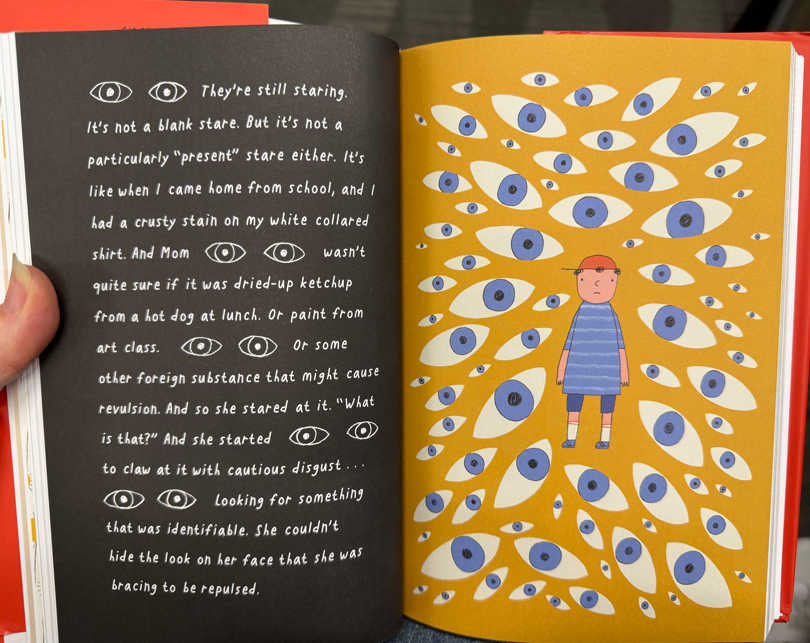
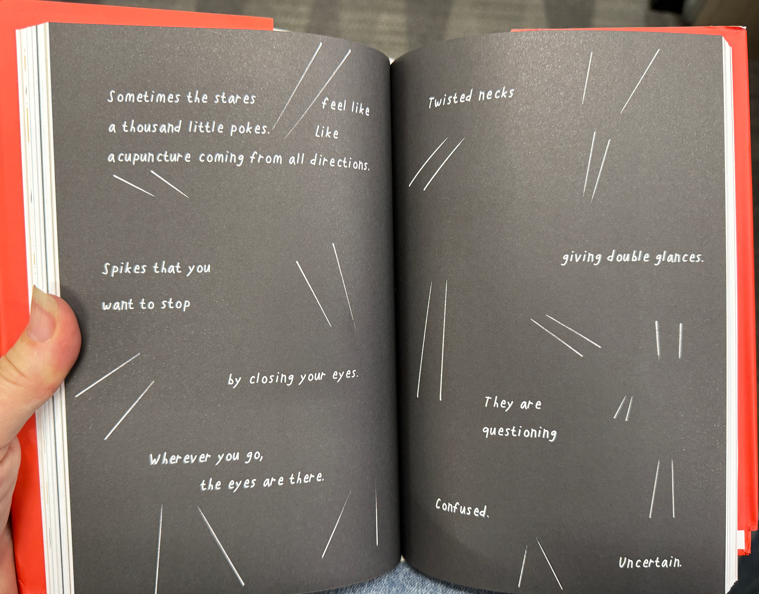
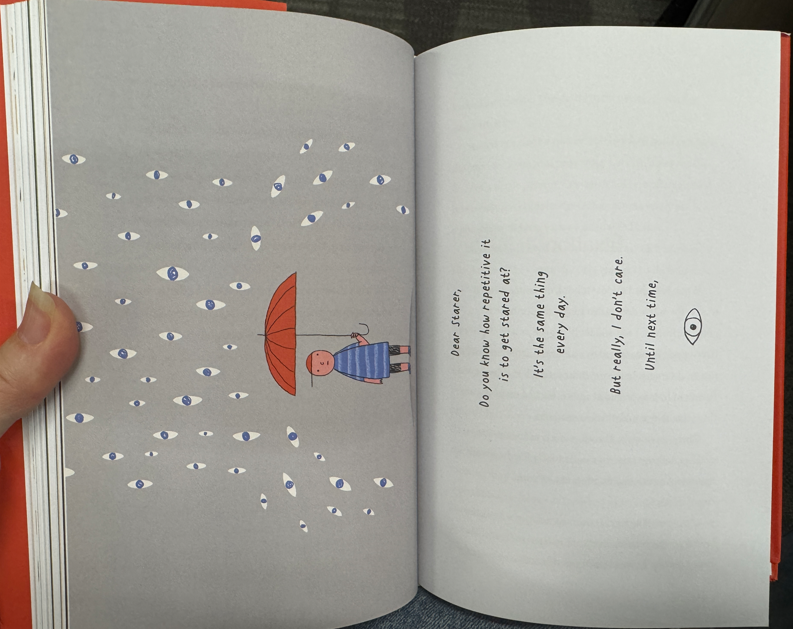
Documentary filmmaker, James Robinson tells his story of growing up with misaligned eyes and his quest to have people understand him and his condition. He starts the book trying to help readers understand what he sees and the struggles that caused growing up in sports and school. He guides the reader through his life of attempted fixes, solutions, and many frustrations. Documentary filmmaking became a way to visually share with audiences (& potential future employers) how to get past the awkward moments of staring at someone whose eyes don’t track the way we’re used to them doing. He coined the term “whale eyes” because we generally have a positive response to the giants of the deep who see like he does out of one side separately from the other. His 12 minute film can be found at whaleeyes.org/watch. I loved the way Robinson gently guides the reader to see like he sees. To reframe the way we look at people who view the world in a different way from the majority. The book is full of simple illustrations. Pairs of pages occasionally turn to be read in a flip book manner. Chapters are short. It was an informative and very readable book. 
Because of the success of Robinson’s film, many other folks connected with his ideas – those with strabismus (misaligned eyes),  prosopagnosia (face blindness), stuttering, and more. People who shared his struggles to communicate all wanted his help with films about their conditions so they could be better understood. Because of that, I think many readers will be able to connect with his book. And the format is perfect for middle grade readers who can sometimes still need concrete examples to understand concepts. A lovely, readable memoir.

A Hat for House One Storm, Many Helpers

Written by Audrey Perrott and illustrated by Druscilla Santiago

House was hanging out and minding his own business when a strong gust of wind came in and literally ripped his hat (roof) off. This was terrible! He felt exposed and scared. The oak tree was the first to offer help by stretching its leafed branches over house. But, another strong gust of wind blew it back. The squirrels and birds helped by adding twigs, leaves and tufts. But, ugh – more wind. Neighbors came in next and secured a large brown tarp over the house. While it wasn’t pretty, it did the job during a rainstorm and House was thankful. Finally, some roofers come in and added a nice, sturdy and colorful roof, which made the House happy. In the end, another wind came up and the House bravely said ” Don’t even think about it!”

Illustrations are bright and clean. The story is told from the House’s perspective with accompanying illustrations conveying its feelings through its windows (eyes) and door (mouth). Neighbors that come help are diverse and the weather (rain and wind) blanket the pages with their soggy power.

This rather humorous take on the effects of a natural disaster is just right. The story is a sweet reminder that community comes together after a catastrophe and things will get better! Recommended.

Game On!

Written by Maria Le and illustrated by Clarice Elliott

Kids play games all over the world and this book shares a variety of those games. Games are separated into chapters that highlight ball games, board games and playground games. Three or four games are described in each chapter and include their place of origin and a sentence or two about the game. Accompanying illustrations serve to enhance the short paragraphs on each page/two page spread. Unfamiliar words are italicized and a glossary is at the front. A fun addition is at the back where readers are instructed to create their own board game.

Characters are diverse in the illustrations and there is a nice mix of cultures/countries included in the chapters. Interestingly, football is used instead of the Americanized soccer to denote that game. It makes sense, since football is the more universally accepted name. But, it might confuse some young readers. Purchase this book for your younger readers as a nice introduction to other cultures and games. They might even want to learn some of the games as well! Recommended.

En Los Naranjales

by Andrea Cruz Floren

Clara travels with her parents to her extended family’s orange groves in California. She listens to family stories around the table with her cousins, aunts and uncles and grandparents. Wanting to make her own memories with family, she hides in her grandpa’s truck when he leaves for the fields. After she reveals herself, they spend the day there together making those memories that she needs to connect to her family there in California. He shares the family history with her, mostly good but some painful.

Based on the author’s own family history, this is a sweet story of generational connections and strong family roots. Written in Spanish with lovely illustrations and a strong message of family. Add this one to your collection. Recommended.