Alpacas Here, Alapacas There

Written by Carrie Tillotson and illustrated by Elisa Chavarri

Everything a young reader would want to know is packed into this picture book! Simple, rhyming text winds through the pages of alpacas in both Peru and North America. Denser informative text blocks run along the bottom of the right page (recto) of each two page spread. The end of the book includes a glossary, author and artist notes, select sources and more about the alpacas (including their origin as domesticated animals in both areas).

This highly informative book takes a different approach than the typical nonfiction book for younger readers. It can be read as a simple story or a reader can delve much more deeply into the facts about this prized camelid. The accompanying illustrations are vibrant and bold and culturally appropriate.

There is much to learn about alpacas and this book takes on the topic in a unique and playful way. Readers won’t even realize how much they are learning until they reach the end of the book! Recommended.

Eat Like a Bear

Written by April Pulley Sayre and illustrated Steve Jenkins

The life of a brown bear from month to month is detailed in text and illustrations in this informative picture book. In April, the bear awakens and wonders what to eat, because she is famished after a long hibernation. Each month, new foods are available from cow parsnips and dandelions to ants and trout. Finally, in November, the bear goes into her den to hibernate. Midwinter brings a surprise – two cubs. And, the seasons continue. The end of the book includes numerous facts about bears and an author’s note.

Beautiful collage illustrations pair with short, repetitive sentences to present solid information about the diet, life and habitat of a bear in fictional form. Kids will be enthralled with the variety of her diet and her determination, even when she doesn’t get the meal. You can almost feel her fur in the illustrations and hear the crunch as she munches the cones and moths. Buy this book for your nonfiction collection. The kids will love it! Highly recommended.

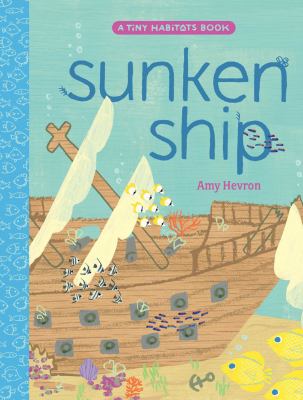
Sunken Ship (Tiny Habitats)

by Amy Hevron

in 1733, a ship sank in a big storm as the crew swam to safety. As the years go by, we see the changing habitat, resulting in a thriving artificial reef that sustains a rich variety of marine life. Based on the sinking of the San Pedro (as noted in the afterward), this delightful book looks at Year 1, Year 10, Year 100 and the present day. Not only does the ship provide a wonderful place for the myriad of sea life, the wood itself enriches its resting place as it decomposes.

Students will enjoy the colorful, smiling creatures as well as the funny speech bubbles while they learn some solid science. The back of the book contains a note about artificial reefs and the original San Pedro shipwreck as well as additional reading suggestions and selected sources. Add this book, and the first book, Log Life, to your library. This charming book will hook your kids into more exploration of tiny habitats. Highly recommended.

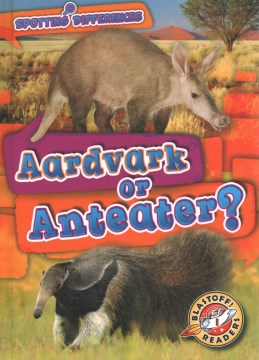
Aardvark or Anteater?

by Mari Schuh

Blastoff! Readers Level 1: Spotting Differences is a twenty book set that delves into the differences between animals. Each book focuses on a pair of animals and details their physical and behavioral traits. Text is accessible to your newest readers and accompanying illustrations are high quality and engaging. Nonfiction text features include table of contents, index, glossary and labeled diagrams. Unfamiliar words are bold type and the animal pair’s differences are repeated at the end as a wrap up. Suggested websites and resources are noted for further investigation.

Aardvark or Anteater? is a highly engaging look at two animals that initially seem very similar. Yet, we learn that despite those similarities, they are very different animals. They are both mammals with long tongues that eat ants. But, their fur, snouts, ears and habitats are very different. New readers will enjoy discovering new information in a simply written book packed with facts and wonderful photos. This won’t be on your shelves for long!

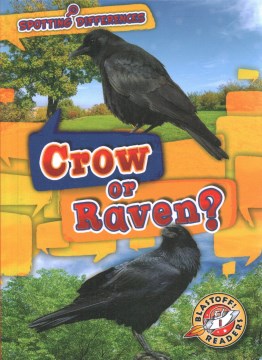
Crow or Raven?

by Mari Schuh

Blastoff! Reader Level 1: Spotting Differences is a twenty books set that delves in the differences between animals. Each book focuses on a pair of animals and details their physical and behavioral traits. Text is accessible to your newest readers and accompanying illustrations are high quality and engaging. Nonfiction text features include table of contents, index, glossary and labeled diagrams. Unfamiliar word are bold type and the animal pair’s differences are repeated at the end as a wrap up. Suggested websites and resources are noted for further investigation.

Crow or Raven? There’s a lot to learn about these two types of birds! This book gives some really solid differences between two birds that seem very alike. For instance, crows have fan shaped tails and ravens have wedge shaped tails. Additionally, their beaks, size and throat feathers differ. Accompanying these memorable facts are photos that show those characteristics very clearly. Young readers will enjoy learning about these differences and will be quick to share! Word choice is appropriate to the audience and the nonfiction text features are helpful. Recommended.

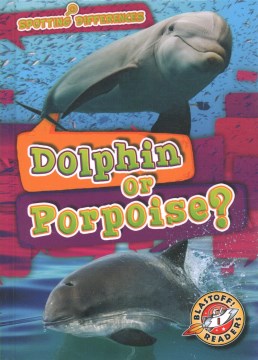
Dolphin or Porpoise?

by Mari Schuh

Blastoff! Readers Level 1: Spotting Differences is a twenty book set that delves into the differences between animals. Each book focuses on a pair of animals and details their physical and behavioral traits. Text is accessible to your newest readers and accompanying illustrations are high quality and engaging. Nonfiction text features include: table of contents, index, glossary and labeled diagrams. Unfamiliar words are bold type and the animal pair’s differences are repeated at the end as a wrap up. Suggested websites and resources are noted for further investigation.

Dolphin or Porpoise? starts out by sharing that both are mammals and swim in oceans or rivers. Then, the book describes several different features, including fin shape and size, tooth size and their general body types. Behavior differences are also touched upon. Young readers will be able to share some solid facts about each animal and make some great comparisons. This book would be great for beginning animal reports. It has just enough information to be interesting and not so much that it’s overwhelming. Perfect for the target audience!

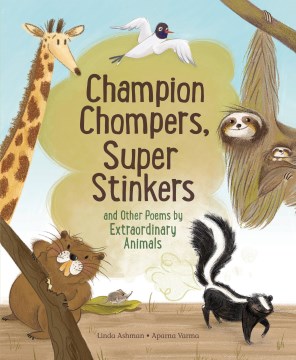
Champion Chompers, Super Stinkers and Other Poems by Extraordinary Animals

written by Linda Ashman and illustrated by Aparna Varma

Part science, part poetry and part riddle/puzzle book – what’s not to love about this delightful book? Nineteen animals that are record-holders of some sort (fastest, slowest, tallest, stinkiest and so forth) are introduced by a personified mask poems and a portion of the animal to tease the reader. Turn the page and the full animal is there along with a paragraph detailing its claim to fame along with some well-chosen extra facts. At the end, there is information about protecting endangered animals and suggested websites. There is also guidance about measurements and mask poems. Finally, there is a glossary and recommended reading for further investigation.

The fun game-like format along with the accessible poetry and information makes this a book that should be in everyone’s library. It is nonfiction that can be used in so many ways (examples are animal units, nonfiction studies, poetry units, conservation lessons). But, not only is it a great book for lessons. It is a fascination, fun read for students. And, that makes it a winner in all areas!

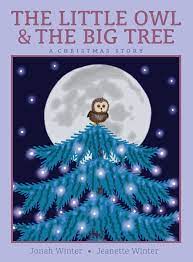
The Little Owl & the Big Tree : A Christmas Story by Jonah Winter

This is the story of Rockefeller, the famous little owl, whose story entranced a nation in November, 2020. Each year, a tree is chosen and cut for placement at the Rockefeller Center in New York City. Sometimes, it is trucked from many miles away. In this case, the tree had an inhabitant, a tiny saw-whet owl. This small creature came down with the tree when it was cut and traveled on a truck to New York City. It wasn’t until the tree was being prepared for placement that the owl was discovered by a kind man, whose wife drove Rockefeller to a wildlife rehabilitation center. The owl was given food, water and shelter until she could be released back into the wild. Television and radio stations, newspapers and online news programs followed the story of this tiny owl and people everywhere cheered when it was reported that she was back in nature where she belonged.

This is a lovely, simply written account of Rockefeller’s story. The accompanying illustrations are soft and cozy, with a lot of purples, greens and blues. An author’s note at the end of the story give details about the event as well. This is a sweet addition to holiday story collections. Teachers could add online news segments that followed Rockefeller’s story as well as information about that the saw-whet owl species. Highly recommended.

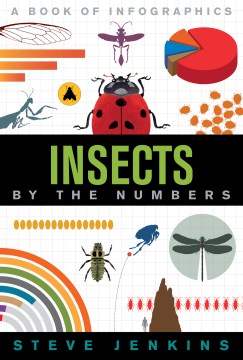
Insects by the Numbers: A book of infographics by Steve Jenkins

Steve Jenkins has done it again. This is a science book that every budding entomologist will love and so will those readers that aren’t super fans. Aspects of the insect world are brilliantly and succinctly described using simple infographics, illustrations and spare text. This book is chock-full of facts presented in an accessible way. Includes glossary, bibliography and table of contents. Buy this book right away. Highly Recommended.

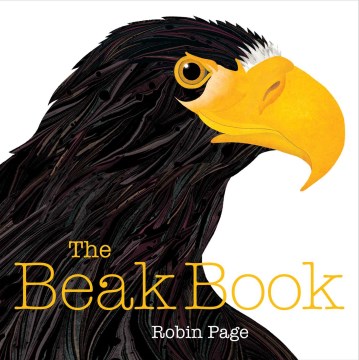
The Beak Book by Robin Page

This book is takes a close look at twenty one different birds’ beaks, their shapes and uses. Some beaks are for filtering and others are for crushing or tossing. Each beak is described and pictured in colorful detail. Budding ornithologists will devour the information in this book and will never look at birds (or beaks) the same way again.

The last few pages include size comparisons with the average adult human, where the birds live and what they eat. There is also a short bibliography and further reading noted on the last page. Highly recommended.