
Ferrari 296

by Kaitlyn Duly

“Cool Cars” series literally says it all in the series’ name. These are books about fast, luxurious and fun cars that are, well, COOL! High interest topics paired with a load of brilliant photos and accessible text make this 28 book set a must-have in your library. Nonfiction elements include: Table of Contents, glossary, index, bolded words and labeled illustrations. Each book has the important facts about a car like its engine type, history, size, speed and future plans of the manufacturers. This photo-heavy, high-low series will be popular among your patrons!

Ferrari 296 opens with a red Ferrari zipping home and being plugged in – it’s a hybrid! This hybrid can go 0-62 miles per how in less than 3 seconds, with a top speed of 205 mph. There’s a lot of information packed into a few words and some amazing photos of this luxury model. Another great book from the Cool Cars series!

Maserati MC20

by Kaitlyn Duly

“Cool Cars” series literally says it all in the series’ name. These are books about fast, luxurious and fun cars that are, well, COOL! High interest topics paired with a load of brilliant photos and accessible text make this 28 book set a must-have in your library. Nonfiction elements include: Table of Contents, glossary, index, bolded words and labeled illustrations. Each book has the important facts about a car like its engine type, history, size, speed and future plans of the manufacturers. This photo-heavy, high-low series will be popular among your patrons!

Maserati MC20 describes the Italian luxury vehicle that was announced for production in 2020 (hence the “20” in its name). This speedy sports car is built for the road not the track and bears the famous Maserati badge on the front grill – Neptune’s trident. Future plans include an all – electric model by 2030. Young readers will love to learn about this car. Recommended.

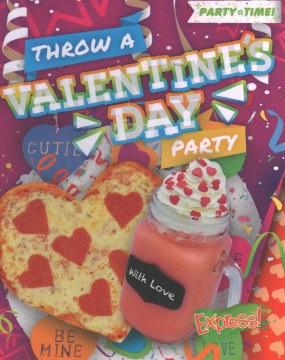
Throw a Valentine’s Day Party

Written by Christina Leaf

Express!: Party Time! is a six-book series that introduces holidays and their history. Then, gives directions for some simple decorations, foods and activities. Everything has step-by-step directions with illustrations and a list of extra materials over those noted at the beginning of the books. Each project is introduced with some information connecting it to the history of the holiday. There are Table of Contents, Index, Glossary and “To Learn More” section with extra resources. Particularly helpful are the “Top Tips” scattered throughout each book. Color illustrations are engaging and the text is accessible.

Throw a Valentine’s Day Party shares information and projects related to the holiday. Foods, decorations and other crafts are presented, beginning with a short history or description of the relevance of the project to the holiday. Kids will love reading about the origin of the heart-shaped box of chocolates and candy hearts. A fun addition to the holiday is that several cultures celebrate Friendship Day on this date as well. This book gives directions for making a friendship bracelet for a friend in honor of that aspect of the holiday. All in all, this is a great resource for budding party planners as well as kids that are curious about the holiday and its origins. Add this to your library!

Throw an Independence Day Party

by Elizabeth Neuenfeldt

Express!: Party Time! is a six-book series that introduces holidays and their history. Then, gives directions for some simple decorations, foods and activities. Everything has step-by-step directions with illustrations and a list of extra materials over those noted at the beginning of the books. Each project is introduced with some information connecting it to the history of the holiday. There are Table of Contents, Index, Glossary and “To Learn More” section with extra resources. Particularly helpful are the “Top Tips” scattered throughout each book. Color illustrations are engaging and the text is accessible.

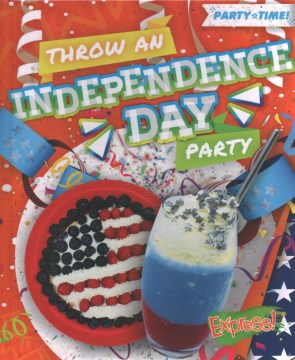
Throw and Independence Day Party has all the red, white and blue that one would expect for this holiday. Projects range from decor and food and drinks to games and party hats. Readers learn about the history of this day and the symbolism of the colors, Stars and Stripes and fireworks. One fact that I learned was the Thomas Jefferson had his own ice cream recipe – yum! Many of the projects use easy-to-find materials. “Top Tips” are located throughout to help make the process easier or different. For example, one tip suggests that you can make a sweet version of the veggie dip flag using cut fruits and yogurt dip of the same colors. This is a nice addition to your holiday books.

Aardvark or Anteater?

by Mari Schuh

Blastoff! Readers Level 1: Spotting Differences is a twenty book set that delves into the differences between animals. Each book focuses on a pair of animals and details their physical and behavioral traits. Text is accessible to your newest readers and accompanying illustrations are high quality and engaging. Nonfiction text features include table of contents, index, glossary and labeled diagrams. Unfamiliar words are bold type and the animal pair’s differences are repeated at the end as a wrap up. Suggested websites and resources are noted for further investigation.

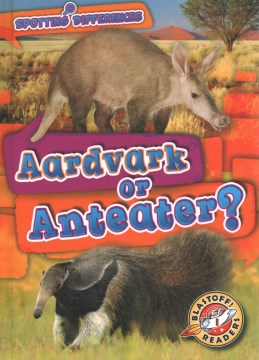
Aardvark or Anteater? is a highly engaging look at two animals that initially seem very similar. Yet, we learn that despite those similarities, they are very different animals. They are both mammals with long tongues that eat ants. But, their fur, snouts, ears and habitats are very different. New readers will enjoy discovering new information in a simply written book packed with facts and wonderful photos. This won’t be on your shelves for long!

Crow or Raven?

by Mari Schuh

Blastoff! Reader Level 1: Spotting Differences is a twenty books set that delves in the differences between animals. Each book focuses on a pair of animals and details their physical and behavioral traits. Text is accessible to your newest readers and accompanying illustrations are high quality and engaging. Nonfiction text features include table of contents, index, glossary and labeled diagrams. Unfamiliar word are bold type and the animal pair’s differences are repeated at the end as a wrap up. Suggested websites and resources are noted for further investigation.

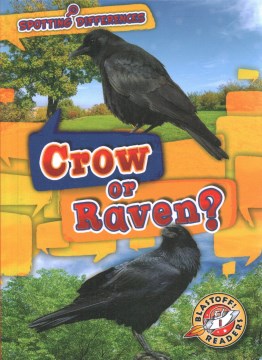
Crow or Raven? There’s a lot to learn about these two types of birds! This book gives some really solid differences between two birds that seem very alike. For instance, crows have fan shaped tails and ravens have wedge shaped tails. Additionally, their beaks, size and throat feathers differ. Accompanying these memorable facts are photos that show those characteristics very clearly. Young readers will enjoy learning about these differences and will be quick to share! Word choice is appropriate to the audience and the nonfiction text features are helpful. Recommended.

Dolphin or Porpoise?

by Mari Schuh

Blastoff! Readers Level 1: Spotting Differences is a twenty book set that delves into the differences between animals. Each book focuses on a pair of animals and details their physical and behavioral traits. Text is accessible to your newest readers and accompanying illustrations are high quality and engaging. Nonfiction text features include: table of contents, index, glossary and labeled diagrams. Unfamiliar words are bold type and the animal pair’s differences are repeated at the end as a wrap up. Suggested websites and resources are noted for further investigation.

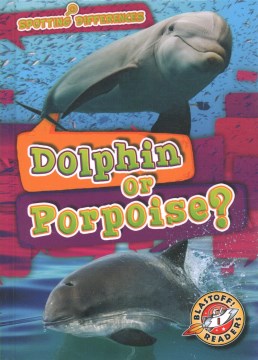
Dolphin or Porpoise? starts out by sharing that both are mammals and swim in oceans or rivers. Then, the book describes several different features, including fin shape and size, tooth size and their general body types. Behavior differences are also touched upon. Young readers will be able to share some solid facts about each animal and make some great comparisons. This book would be great for beginning animal reports. It has just enough information to be interesting and not so much that it’s overwhelming. Perfect for the target audience!

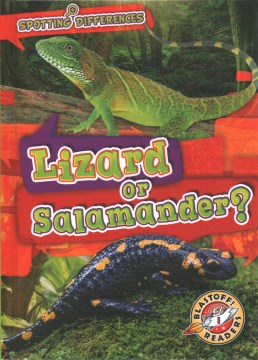
Lizard or Salamander?

by Mari Schuh

Blastoff! Readers Level 1: Spotting Differences series is a twenty book set that delves into the differences between animals. Each book focuses on a pair of animals and details physical and behavioral traits. Text is accessible to your newest readers and accompanying illustrations are high quality and engaging. Nonfiction text features include: table of contents, glossary, index and labeled diagrams. Unfamiliar words are in bold type and their differences are repeated at the end as a wrap up. Suggested websites and resources are noted for further investigation.

Lizard or Salamander? looks at the differences between those organisms. Different physical features are noted like dry skin vs. wet skin and claws vs. no claws. Then, behaviors are compared. The reader also learns that lizards come out at daytime and salamanders are active at night. and each live in different places. Photos are clear and crisp and text is not dense. Give this to your new readers as the books have high interest content. These won’t stay on the shelves!

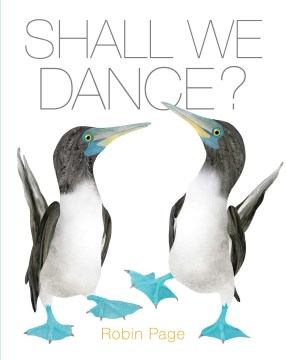
Shall We Dance?

written and illustrated by Robin Page

Animals move in many ways for a variety of reasons. Many use these “dances” as a courtship behavior while some animals spin and pirouette to warn of danger or to remove parasites. Whatever the reason, animals exhibit some amazing moves in this beautifully illustrated book.

Each page or two page spread has a large illustration of an animal (or pair) along with a short description of its “dance” and the possible reasons for such movement. There is a lot of information packed into those short paragraphs and they might pique the interest of would-be scientists, who will want to learn more about the featured creatures. Digital illustrations are colorful and dynamic. Text is not overwhelming and sometimes humorous. For example: the male praying mantis hopes that the female is well fed and won’t eat him after their courtship. This nonfiction book will certainly be popular in your library.

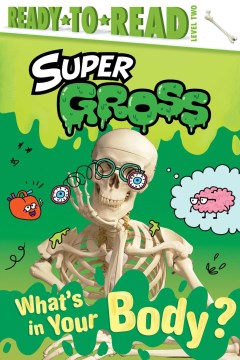
What’s in Your Body? (Ready-To-Read: Level 2-Super Gross)

written by Ximena Hastings; illustrated by Alison Hawkins

Blood, boogers, pus, gas and other bodily excretions and their origins are discussed in this early reader. Do you want to know how many skin cells you shed per hour? How about the mites on your eyelashes? You’ll learn all about those topics and more in this short, but informative, book.

Cartoon-like illustrations and photographs accompanied by simple informative text pack a lot of stuff into a relatively short book. A glossary, bold-faced type and a skeleton craft at the end will help would-be scientists learn basics of the messier parts of human anatomy and physiology. It might be too much information for its target audience. But, they’ll be happily ‘grossed out’ and will certainly share what they’ve learned.