Student Review: The Young Adult Literature 16 & Pregnant by Lala Thomas represents the hardships and the relationship issues that may arise with loved ones and partners when going through such a situation as teen pregnancy. Erykah just had their birthday but instead of being happy and celebrating with their friends as every other teen does on their sweet sixteen, Erykah spends her birthday vomiting in the toilet after discovering that she had become pregnant with her irresponsible and low-effort boyfriend Miguel. Considering this factor, Erykah still decides not to get an abortion and to have the child. This shows challenges for Erykah to accomplish her dream- to become a black braiding hairstylist shop. Along the way, on top of other relationships, the book exposes the strong but complicated relationship between her and her best friend Kelly as they work threw intense emotions, misunderstandings, and disagreements. This book highlights the struggles and aspects of having a child not only physically, but also emotionally and mentally for women of any age. This may be a good book for those in the same general age group who need guidance or those who want to understand the topic a little more than they did before. Overall this book is very helpful and informational, however, I feel that there was an abundance of unnecessary foul language used in the book, which made the story unpleasant at times.
Category Archives: Recommend
Queer History A to Z: 100 Years of LGBTQ+ Activism
by Robin Stevenson
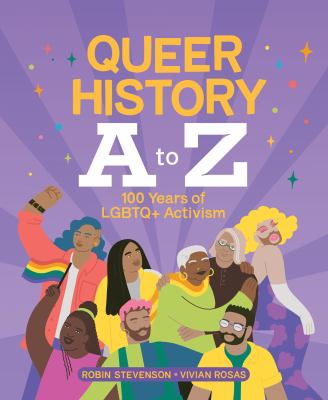
This illustrated nonfiction alphabet book is meant for middle to upper grades. Perfectly appropriate for 6th graders and up. The author follows alphabet-book style by having 1-2 pages per letter covering famous LGBTQ+ people, events and famous locations. Each letter includes lovely stylized images and text giving a blurb about each topic. It’s highly readable, fast paced, and could be read by bouncing around or cover to cover. It also includes additional information in a more condensed form at the back of the book, a 100 year timeline, a glossary, and an index. So much of this book is positive and joyful with lots of smiling people of all diversities, while still dealing with some of the challenging times (R – raids and riots). I like that it defines topics in clear language. The F – Flag page was helpful in showing all of the iterations of flags in the LGBTQ+ community. While it shows kissing & hugging, there is nothing more salacious in the images, again, making it perfectly appropriate for middle school audiences interested in this topic.
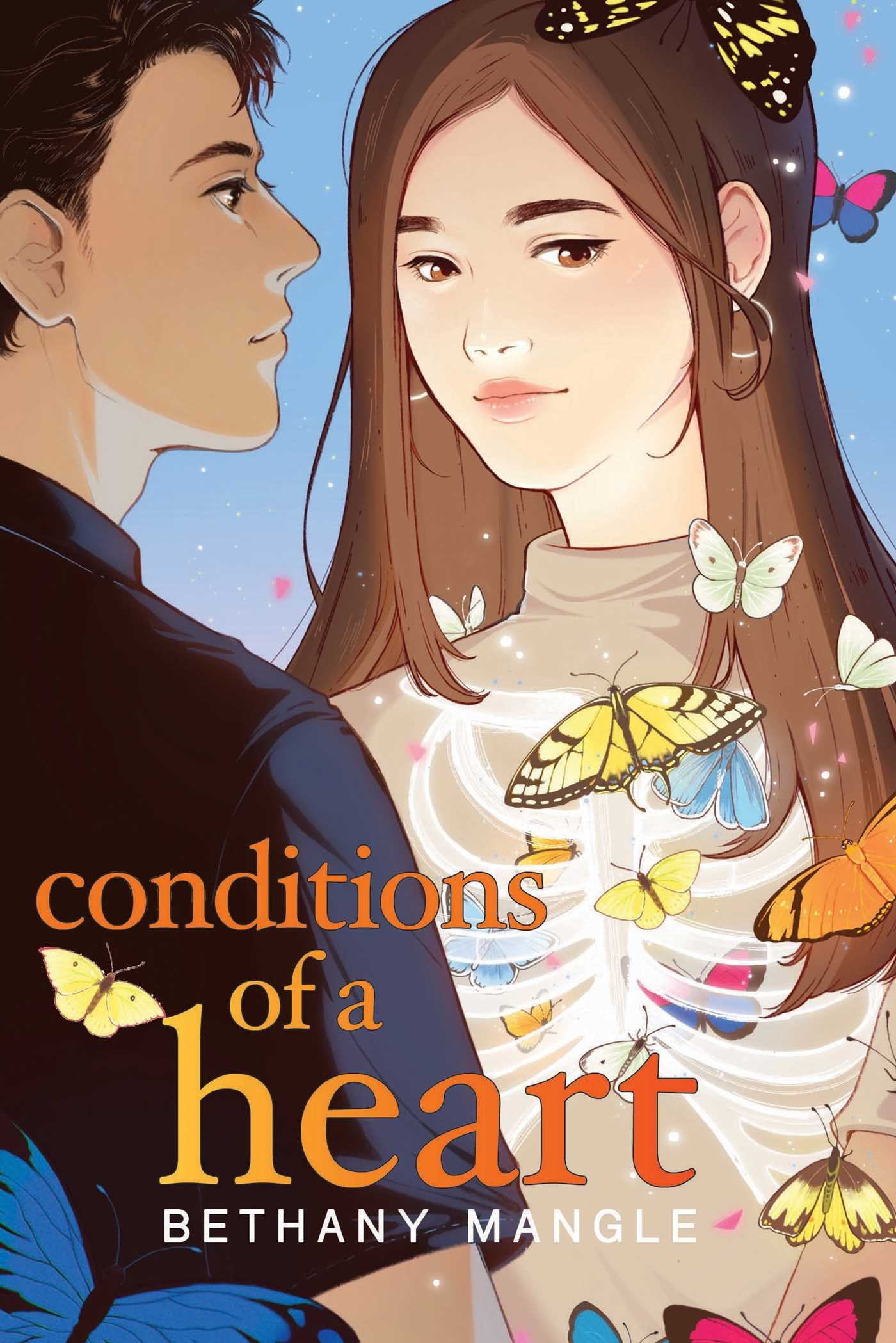
Conditions of A Heart by: Bethany Mangle
Reviewed by OHS Substitute, Sandy H.
This coming of age story will connect readers with the difficulties of being a teenager as well as showing how family struggles impact life. Brynn Kwan balances friends, family, and boys on top of struggles to let an unattainable persona go. Meanwhile pain rears its head. In this book, the protagonist (and her father) has chronic pain resulting from a health disorder which is a young adult topic not frequently encountered, for this primary reason I appreciated reading the book.
Diary of A Confused Feminist by Kate Weston
Reviewed by OHS Substitute, Sandy H.
This novel will be a hit with young adult readers who enjoy coming-of-age struggles.
Kat Evans tries to get a date, deal with friends, and manifest self-acceptance, while trying to think of everything through the lens of feminism. Meanwhile she’s also rabidly documenting everything in her diary. This young adult fiction dives deep into the anxieties, dreams, and ideals of a teenager trying to make her way through high school – so believable, the anxiety just oozed off of the pages!
Reading it as an adult, I liked being reminded of how tough it really is to be a teenager.
Miles Morales: Suspended
Book Reviewed by Kingston 10th grade – I gave this book a rating of 5/5 because it’s a compelling and engaging book, it provides a new look on Miles and who he is. The book follows Miles Morales a teenage superhero who navigates the challenges of keeping his secret identity as Spider-Man while facing formidable villains in New York City. The plot of this fictional superhero story makes you want to keep turning the page to see what gonna happen next. I like how they make Miles relatable and explore the identity and finding yourself. The pacing of the book could have been better and some characters aren’t as developed as others.
Reviewed by Cailyn 12th grade – This novel has a unique style for Spiderman! Miles Morales has become obsessed with poetry and babbles endlessly about his crush. With his spidey powers, he saves the world from an evil mastermind The Warden, and Miles gets put in suspension. What begins as a long boring day of in-school suspension is interrupted by his spidey-senses telling him that something is wrong. Since the novel is about a Marvel superhero, it is considered a fictitious novel. Also, it is poetry because it includes a mixed format of verses. In this novel, I liked how it blended superhero things and introduced the concept of racism. The book I rated a 3 because it kind of felt rushed and underdeveloped. To add to this, I think that this style of novel is just not my type either.
A Door In the Dark
If I See You Again Tomorrow
Reviewed by Raymond 9th grade – I love the story that the book is telling about love between two boys. Clark goes on these errands with Beau and Clark ends up falling in love with Beau. Such a beautiful story challenging existential aspects of human life; isolation meaninglessness, and freedom; as well as alienation and depression. All that is done in a heartwarming sweet romance. I like how it tells a love story between two boys. Also like that it’s a romance book because I love romance anything. It’s hard for me to like a book but I really enjoyed this book.
If You’ll Have Me
Reviewed by Cierra 12th grade – This was one of the cutest graphic novels I’ve ever read. From the art style to the plot, to the characters, I’m obsessed. Momo is a selfless, naive, and caring friend. She has little to no experience in the dating world. PG on the other hand is the opposite. Labeled as someone who likes to “get around,” and is a player, she’s quite the lone wolf. Despite her reputation, under that hard exterior, she falls in love just as easily as anyone else. Their two worlds collide unexpectedly and a romance begins to brew. With PG’s reputation, things get a little tricky.The romance in this novel is sweet like a peach. Two people who know little about love, but crave it so much make this graphic novel such a nice read. The LGBTQIA+ aspect of it makes it feel relatable as well. The character design is just beautiful. I love Momo’s character, she’s so cute and gorgeous.It didn’t feel rushed. Typically, when you read a graphic novel you get through them fast because there are little words on each page. Sometimes that can cause the book to feel rushed. However, the pacing was perfect. It felt like I was watching a movie in my mind. I also found myself relating to Momo, as a black girl with little dating experience myself. I found myself getting jealous and wanting a romance like this. I also enjoyed the intended funny bits as well. I rarely LOL at a book, but I caught myself gasping and giggling a couple of times. There’s little that I dislike about it. I don’t like PG’s character design for one. It just looks off on some pages, I can’t exactly put my finger on why. The flashbacks were kind of hard to decipher at times. There were moments where it took me a couple of seconds to realize “Oh wait, this isn’t present.” There was one flashback where I got confused if it was PG or PG’s brother, but that may just be me being slow. This romance is a cliche, and it’s really hard to make a cliche entertaining. Despite all that, I think they did a relatively good job and I’d read it again or recommend it to a friend.
Hopeless in Hope
Reviewed by Sarah 12th grade – This humorous and sad story will keep you engaged and relating to the main characters. Eva is the main character in this book and she is 14 years old. Her life is lonely and sad, and she then deals with foster homes and poverty. She relies on her Nohkum to take care of her and of her little brother Marcus. Eva’s mom struggles with alcoholism and shares the story of the reality of her addiction. The plot of this story makes this novel a heartbreaking and humorous story. I liked that this book was a very fast read and that it shares how someone who is in poverty and struggling with housing, how their life really is. There are a few instances in this book where it may be hard for younger students to read this book due to the talk about depression and anxiety. Personally, I think that this book does a good job of sharing the realities of it in a non-glorifying way.
Forgive Me Not
Reviewed by Aliah 12th grade – All readers will find this captivating and moving journey which masterfully examines human emotions and the capacity for forgiveness to be a winning one. In the book Forgive Me Not, Violetta Chen-Samuel, a fifteen-year-old, is imprisoned for driving under the influence, which resulted in the death of her younger sister. A young adult book with hints of dystopia, Forgive Me Not highlights the issues with racism, classism, misogyny, and other issues that plague both our adult and juvenile justice systems. The two points of view are Violetta and Vince. The plot is AMAZING!
Trigger warnings: death of a child, incarceration, substance use, suicide attempt, grief, sexual assault.