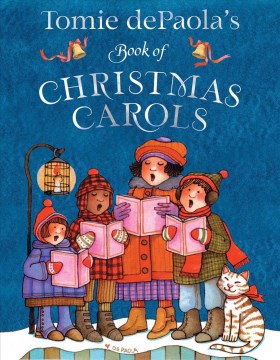
This is a refresh of his 1987 book and it is filled with 32 songs with music and lyrics. Accompanying illustrations are the wonderful artworks that we expect from this great author/illustrator. This book will be a treasure to anyone that chooses to add it to their Christmas collection. Highly recommended, of course!
This is a beautiful and touching book. The text is simple, and yet poetical, with only a single sentence or phrase per page, and the illustrations are bright and rich and full of details that make them relatable as they bring the text to life. It shows a family grieving the loss of a beloved pet dog, building an ofrenda for De de los Muertos as a means of holding onto and honoring their memories. One of the details in the illustrations that I especially like is that all the framed photos of beloved pets show their subjects reaching out beyond the frames, reminding us all that in remembering we keep them with us.
It is both beautiful and informative. It can be read on two levels: large font provides only a single sentence, or a few, per page, written in almost a poetical tone; a smaller font provides more details for curious readers. The focus of the book is on how the pack works together, with different roles for each member, and it’s written in a cyclical manner, beginning with a mated pair getting ready for pups, and continuing through until grown wolves are ready to set out on their own to begin a pack of their own. It does a good job of describing the dangers the wolves face along the way, without getting overly gruesome. The soft illustrations pay tribute to these beautiful animals. It touches the heart even while informing the brain.
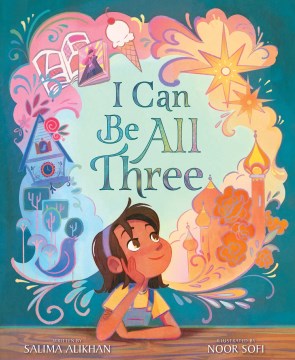
written by Salima Alikhan; illustrated by Noor Sofi
Multicultural Day is coming and the teacher has assigned a project. Students will make something that tells the story of who they are. Kids begin cutting, pasting, drawing and planning. But, there is one student that is struggling. Does she highlight her mom’s German culture or her dad’s Indian heritage? What about her American roots? All are integral to who she is as a person. After much thought, the child displays items from all three cultures. She doesn’t have to be one or two cultures. She is all three, “telling the story of who she is”. And, guess what? Other students come forward to share their multicultural stories, too!
This important book will lead to some wonderful conversations about who we are – a marvelous combination of those that come before us! Proudly embracing our cultural heritage is told in simple language with beautifully rendered illustrations. In a day and age when we are even more a mix of so many vibrant cultures, this book is a winner. Share it with everyone!
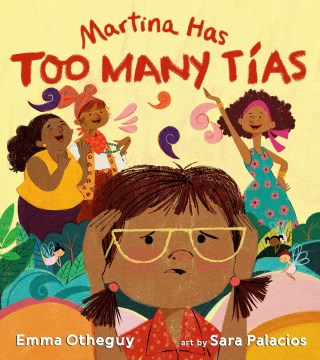
written by Emma Otheguy; illustrated by Sara Palacios
Martina is not happy that her three tias are coming to her home. They are loud and vibrant and they give her a headache. She slips into the kitchen to smell the pot of bubbling guava fruit and is transported to a wonderful island paradise, where she meets a variety of animals. Each animal wants to play. But, their voices are too loud for Martina. She meets a mouse, who sits quietly as he plays and it’s perfect! Eventually, he tires and leaves. This is when Martina becomes lonely and it seems almost too quiet. She is then transported back to her loving, lively family and tells her story. She realizes her family is special and her place is there with them.
This story is a nod to the Caribbean folktale “La Cucaracha Martina” and reminds us all that individuals come in all shapes, sizes (and volume) yet can fit together like puzzle pieces to make a nurturing close-knit family. The author’s note discusses this and the connection to “La Cucaracha Martina”. Digital collages illustrate the story beautifully in bright, vivid colors, which are especially appropriate in the illustrations of the tias. This is a fun, warm story that will definitely resonate with the quieter kids in the family.
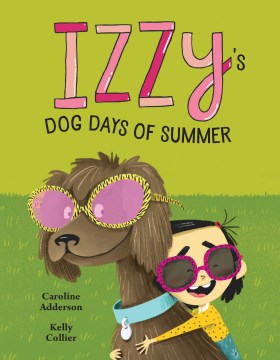
Izzy and Zoe are so excited to go to summer camp until they realize two things: it’s awful (partly because Izzy drew big black eyebrows on her face with permanent marker) and you don’t even camp out overnight! So, Izzy and Zoe plan their own week of summer camp in Izzy’s backyard under the watchful eye of Izzy’s nanny, Rosa. They have so much fun and are so loud (partly because of Rollo, Izzy’s excited dog) that the neighbor, Mr. Entwistle, is even grumpier than usual on his side of the fence.
Camp gets less fun when Zoe gets sick and can’t come over. Then, Izzy’s mom tells Izzy about Mr. Entwistle’s late wife, Maevis. Izzy realizes that Mr. Entwistle might just be lonely and she invites him to her backyard summer camp. He comes over for lunch and they get along so well that she goes to his house while Rosa is getting her hair done. Well, excitement ensues when Rollo knocks the bathroom door shut and it locks Izzy and Rollo inside. Mr. Entwistle calls 911 and the friendly firemen (who all know Izzy) get her out of the bathroom, which makes for the most excitement that Mr. Entwistle has had in a very long time. All this excitement (and more) leads to a wonderful friendship between Mr. Entwistle (Isodor) and Izzy (Why, they are almost twins with those names!).
This lovely, accessible chapter book is brimming with fun and energy. While there is a moment of reflection when Izzy learns why Mr. Entwistle is so grumpy and sad (done in a very respectful and gently way), the overall tone is humorous and light. The black and white illustrations on nearly every two page spread add to the accessibility of the story. Give this book to your early readers. They will love it!
It is about time a new children’s book with up-to-date information on recycling has been published! Jennie Romer explains what happens to the items we place in our recycling bins and promptly think we’ve done our part. Most paper, glass, metals, and #1 & #2 plastics are easily recycled because there are buyers for these materials. Other items may or may not be recyclable depending on the local area where a person lives and depending upon whether there is a buyer for the sorted out items.
Romer describes how the recycling is sorted with the help of Christie Young’s illustrations.
She goes onto to mention “wishcycling” – ” placing non-recyclable items into recycling bin because you hope they’ll windup getting recycled anyway. (Unfortunately, this doesn’t work!)” ( 37) I’m guilty of this.
And Romer finishes with everybody “can’t do all these things ( reducing, recycling and reusing) all the time. Try your best, and do what you can!”
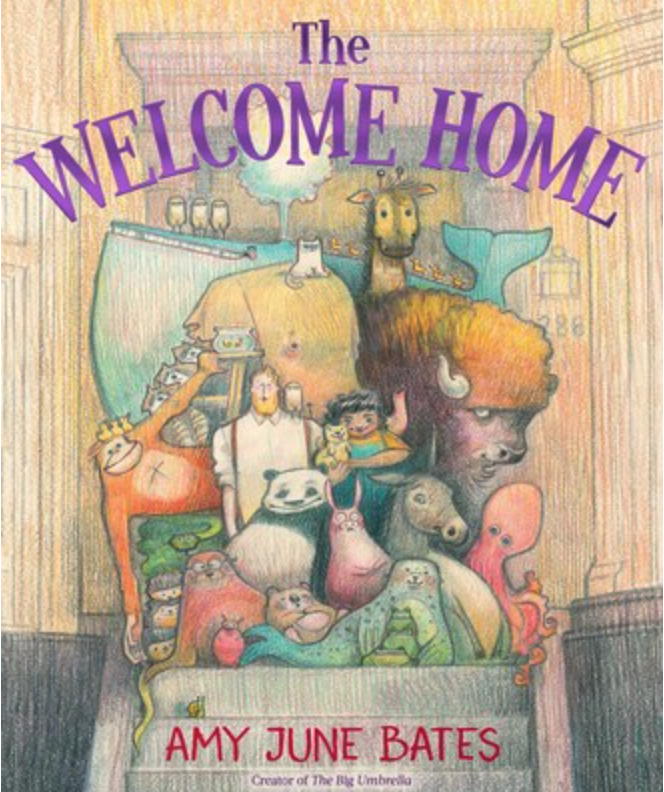
Mr. and Mrs. Gargleson-Bittle are happy in their beautiful home but feel that something is missing in their lives. Making waffles was satisfying for a short time but when they felt they needed more the menagerie started growing. First is was a snail named Gordon followed by Louise the elephant and Sam the aardvark and many more. Their home was no longer too quiet but something was still missing. Will they find their missing piece?
This is a well written and well illustrated book that will make readers smile and feel warm inside. It is highly recommended for PreK – 2nd grade.
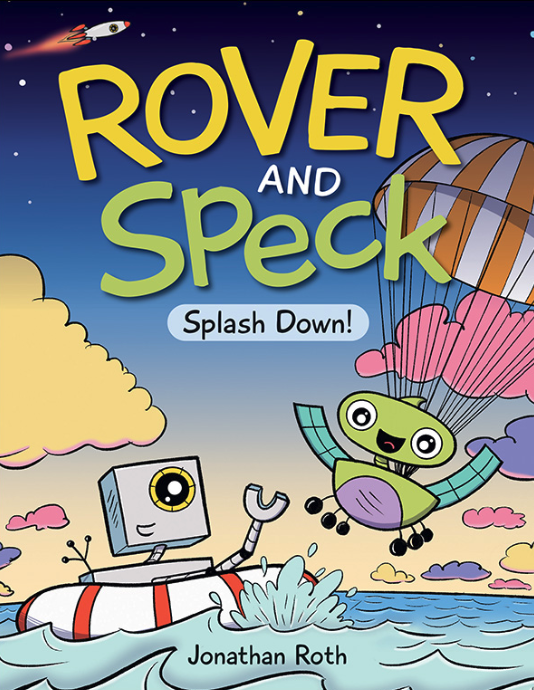
Rover and Speck are at it again in their second book “Splash Down”. These two are space explorers who travel the universe exploring uncharted planets. When they arrive on the water covered Planet K2-18b they find themselves in the mouth of a big blubbery beast. Will they be able to help their new friends find their brother who was swallowed by the beast? or will they end up drowning on the watery planet?
This graphic novel is part adventure story, part informational text. Within the story are wonderful and fun science facts that will have students interested in learning more. There are also fun activities at the end of the book for readers to enjoy. This book, as well as book one, “This Planet Rocks” are highly recommended!
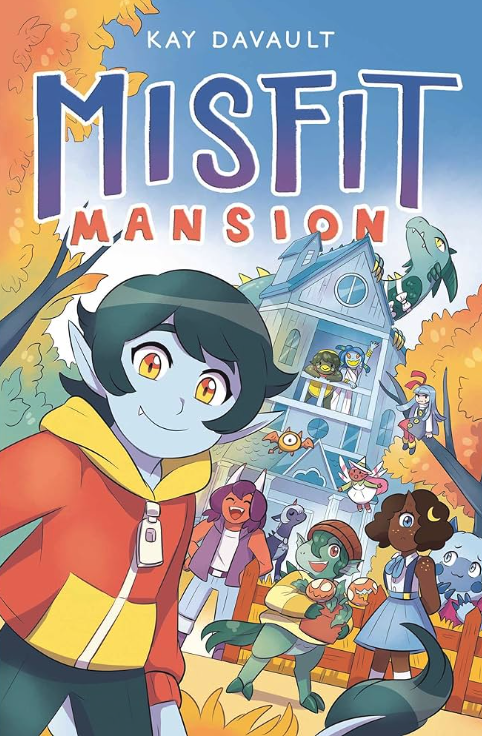
In a huge house full of horrors, Iris has never felt at home. Halloway, the man who saved her, protects them all from the outside world and the paranormal investigators who want to capture them by locking them into the mansion, never allowing them out. But what happens when someone finds the mansion and unlocks the door? What happens when one of the horrors finds their way to the town of Dead End Springs?
This is a wonderful graphic novel about friendship and resilience. The characters are rich and diverse. I highly recommend this book for all readers who enjoy graphic novels.