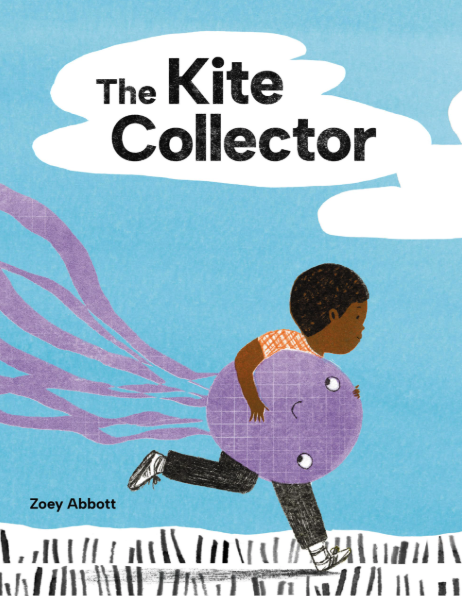
A young boy builds on his relationship with his baby sister when she starts messing with his new kite. After he gets really angry with her and makes her cry, he feels bad and knows that he needs to repair their relationship. He has many kites and enjoys collecting them (as the title implies) but never really flies them and so he goes out and gets her one and they fly it together.
This is a nice story that emphasizes the patience an older sibling needs to have with the younger ones. I would recommend this book as an extra purchase, especially if your library needs more tales about family dynamics/relationships.
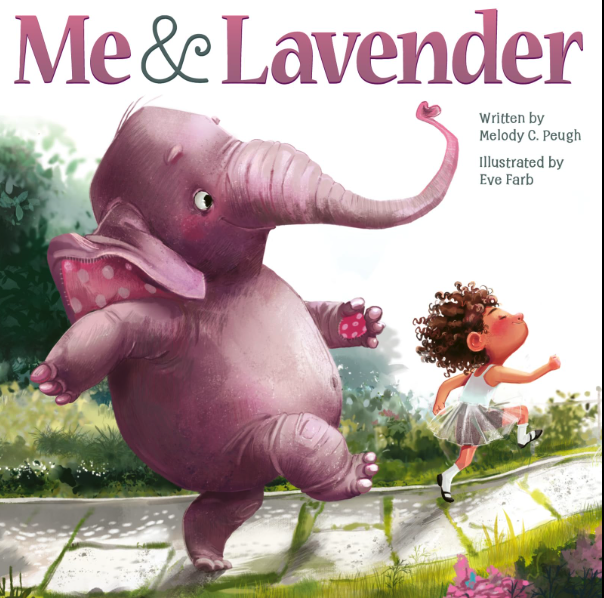
Written by Melody C. Peugh, Illustrated by Eve Farb
Lavender is a wonderful friend who always want to go on an adventure! When a girl awakes and realizes she must stay clean and tidy for an event that her mom has planned it is difficult to say no to her buddy. As the day goes on, things go a little sideways but Lavender is always there. In the end, she is found a muddy mess by her Mom who successfully gets her into a bubble bath and Lavender into the washing machine just in time.
A wonderful story with bright colors about a girl, her stuffie, and her sense of adventure. I would recommend this book to purchase if you have extra money.
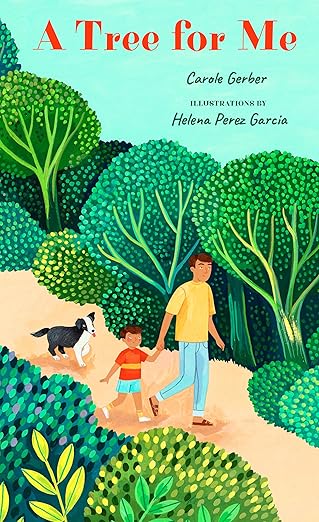
The book A Tree for Me is a celebration of the diversity of trees found in a temperate climate. A boy, his father, and a dog take a walk through the park and point out noteworthy characteristics of the trees they come across. The details described are typical of what a young child might notice and are usually inadequate to differentiate specific trees. The story ends with the boy choosing a tree from a nursery to plant at their home.
Colorful illustrations lend the book a cheerful feel. A Tree for Me is a good pick for Arbor Day discussions or for a young explorers just starting to notice the world around them. Endpapers include a picture glossary of the trees from the park as well as a bulleted list and resources titled “Why We Love Trees.”
Dinosaurs of all sizes romp together in this easy reader. With names like Squeak, Whack and Thud (to name just a few), these dinosaurs are friendly and full of fun. They explore the rainforest of their home, the island Paleos. Most pages introduce another dinosaur by name, with their italicized scientific names and physical attributes (attached to their names). For example: Snap is a Spinosaurus who has very sharp teeth. Whack is a Stegosaurus with a tail that can knock over the other dinosaurs. In this book, dinosaurs play chase, but they never eat each other. Who would eat their friends?
Boldly drawn dinosaurs in vivid colors explore their island home, Their cartoon-like faces are always smiling even when they have very large teeth! Each page has minimal text that early readers will enjoy. A glossary at the beginning of the book details each dinosaur’s imaginary name, scientific name with pronunciation guide and physical attributes. Young readers will enjoy going back to that glossary more than once. Add this to your collection if you need some lower level dinosaur storybooks with the bonus nonfiction content.
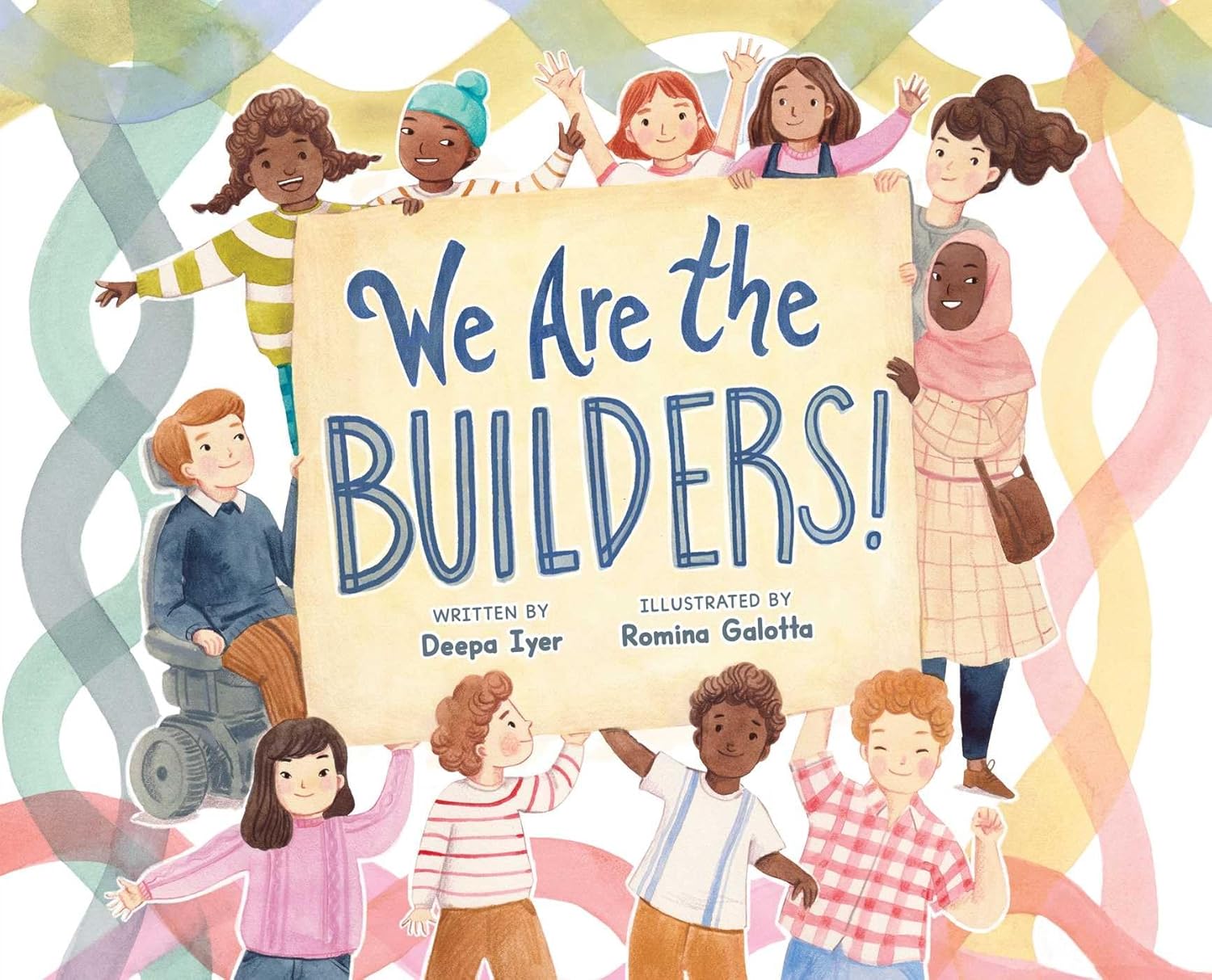
In We Are the Builders!, Ramla, a young woman wearing a hijab, walks through a diverse neighborhood identifying ways people young and old can make a difference in their communities. Each of ten identified community roles is described in poetic verse and includes an invitation to join in helping through that role. The book recognizes that improving a community requires the engagement of multiple roles.
The endpapers explain that We Are the Builders! is a picture book version of the authors social change ecosystem map. Through identifying the role that best fits our interests and strengths, we can change the world for the better.
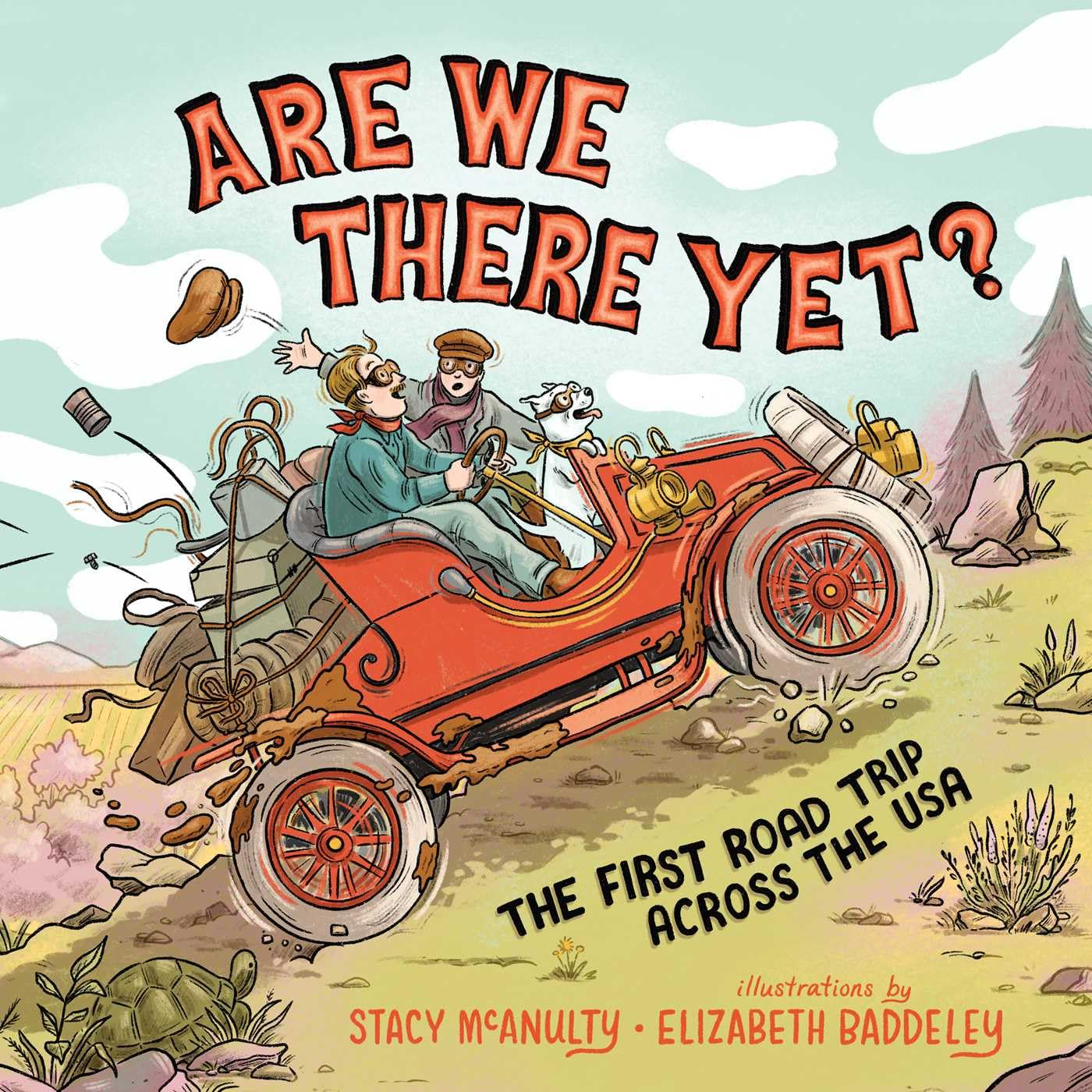
This book tells the true story of the very first car trip across the United States. In 1903, Dr. Horatio Nelson Jackson made a bet that he could drive a car from California to New York in less than three months.
Dr. Jackson did not know how to drive, and there were no highways back then. He hired a bike racer to help fix the car, and they took their dog Bud along for the trip.
The trip was hard! They had to cross streams, drive through mud, and wait for car parts. Their car had no doors or roof, so everything bounced around on the bumpy roads.
This story is great for kids to learn about early cars, trying hard, and fixing problems. The pictures are bright and fun, making the trip easy to imagine.
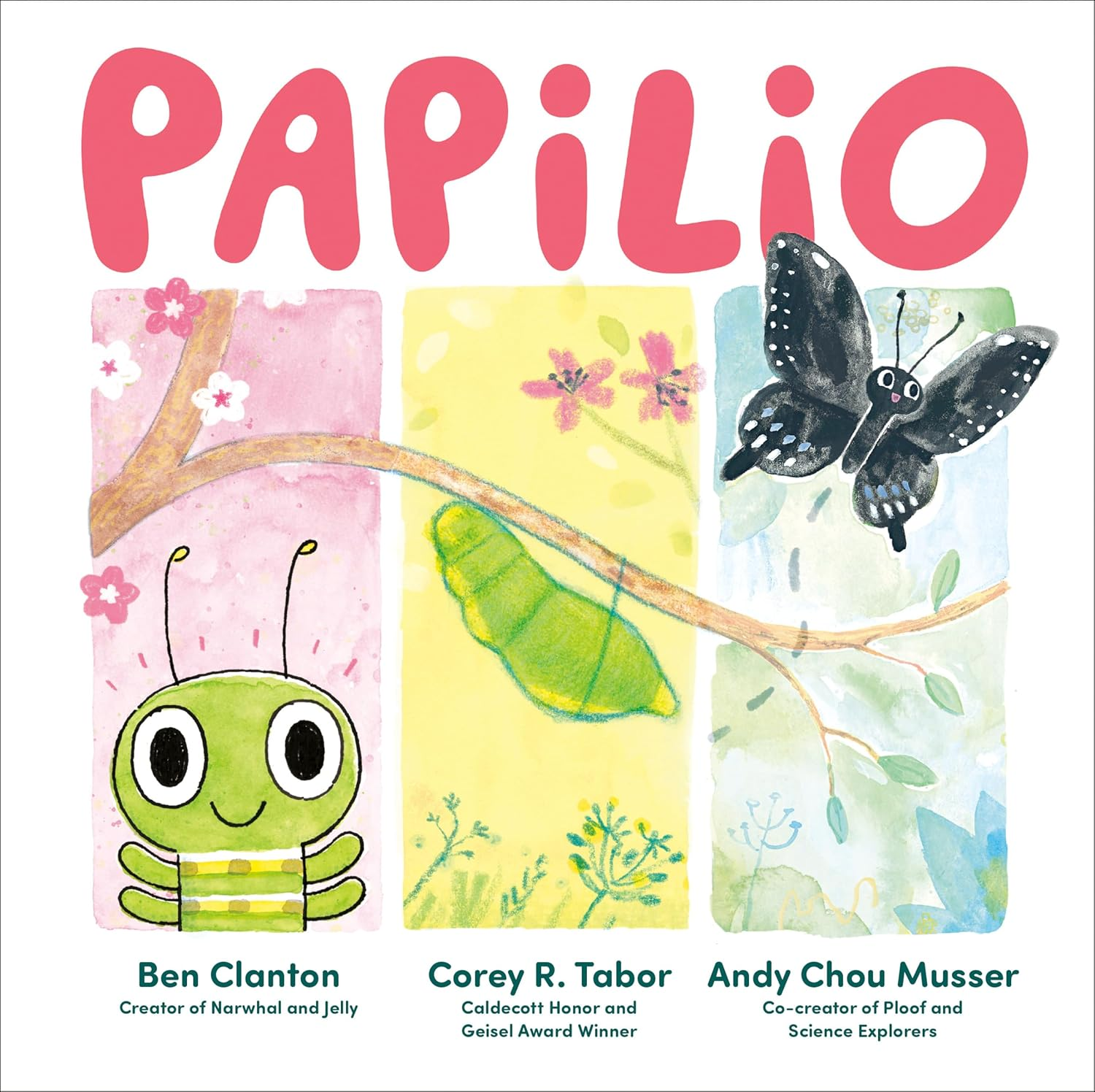
Papilio is a fun and easy-to-understand picture book about a caterpillar named Papilio who wants to become a butterfly. The story is told in three parts by three different authors and has bright, colorful pictures.
Papilio learns how to fly, find food, and make friends. She also faces problems but keeps trying and learns to believe in herself.
The book also has facts about butterflies in the backmatter, which could be helpful for lessons about life cycles and growing up. This book may helps kids learn about change and being brave. Papilio is written in a fun way for readers, but may not be a first choice for learning about butterflies.
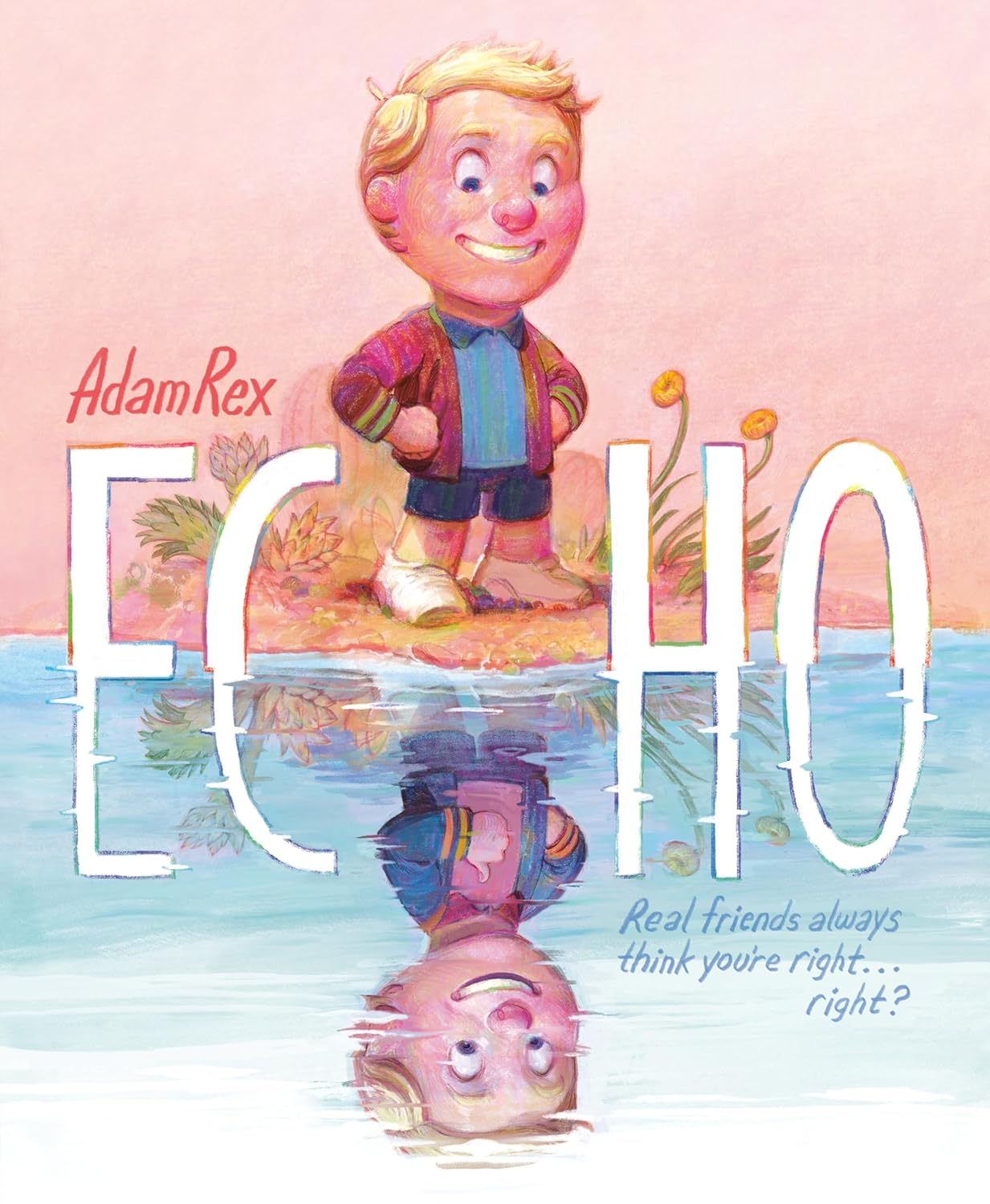
Echo by Adam Rex is a funny and smart book about friendship and learning to accept disagreement. Junior loves hearing how great he is, especially from his echo. But when a new neighbor disagrees with him, Junior learns that friends don’t always have to agree—and that’s okay.
With humor and bright illustrations, this book is great for teaching kids about respect, listening, and admitting mistakes. It’s perfect for classroom discussions about social skills and friendship.
This intense thriller novel is one that will surely keep readers on their toes and wondering what is the real truth.
Harlow Ford has spent her whole life running with her mom, Cora, never truly knowing what they are afraid of. As they wound up in a car accident and are faced with tragic decisions, Cora tells Harlow to never stop running before she dies, forcing Harlow to make a choice; keep living in secrecy, or finally face the truth?
The eye-catching mystery is great at keeping you wondering if what they are saying is true. You never expect what the next page may hold for you. In addition, the wonderful atmosphere and setting of the novel embraces the readers completely. It feels as if you are inside of Harlow’s mind and feeling it with her.
I like the plot of the book. At first, I thought it would not be that interesting or surprising but as I went on, it did shock me a little.I was not expecting the ending or all of these hidden twists and that was pretty exciting. The characters were also well-developed. They were not good or bad but just human. It was great to see characters who truly feel human and are well-rounded people. I dislike how the book is paced. It felt as if the first 3/4 of the book were the same thing over and over. Obviously, it is a mystery so they cannot hand you the answer to everything right away. But, I felt like this was a little excessive. Harlow kind of only had the same knowledge the whole time and it got very repetitive. The story itself is intriguing but the pacing makes it a little less enjoyable. It was almost like a dump of information once we got to the end and it made sense but it was still annoying.
If you like thrillers and horror, I would recommend this book. It encapsulates you completely and brings you into the atmosphere of the novel.
Andrew Varga’s The Last Saxon King features a fast-paced quest through medieval England in the 11th century, during which the last Anglo-Saxon king, Harold Godwinson, defends his rule from invading Viking armies. Varga takes the reader through this journey in the eyes of Dan Renfew, a homeschooled 16-year-old who spends his days haunting the local mall and being taught by his father, a professor of history at a local university. Unbeknownst to him, Dan and his father come from a line of time travelers whose job is to correct “glitches” in history that threaten the present and future. Reminiscent of Mary Pope Osbourne’s The Magic Treehouse series, following a fateful confrontation between a mysterious man and his father, Dan is sent back in time to medieval England to correct changes in history caused by rogue time travelers who seek to use time travel for their own selfish ends. Varga excels at bringing this era of history to life in The Last Saxon King in a way that engages young and adult readers alike. While he takes some liberties in his novel for readability in exchange for historical accuracy, he uses clever workarounds (the time travel device acts as a sort of “universal translator” from English into Old English a la Star Trek) to maintain internal continuity. Ultimately, this novel can be enjoyed by hobbyist historians and sci-fi nerds alike.