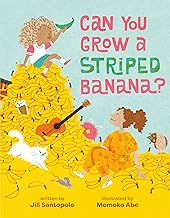
This fun picture book, Can You Grow a Striped Banana?, uses bright illustrations and a sweet story about a mother and her daughter. The daughter asks for silly and impossible things, like growing a striped banana or stretching like a giraffe. Her mom kindly explains that she can’t do those things. The requests keep getting sillier, which makes the story funny and engaging. In the end, the mom shows that even though she can’t do everything, she will always find ways to show love and care for her child. The message is simple and easy for young readers to understand.
I recommend this title as an additional purchase for elementary libraries. It would make a fun read-aloud for kindergarten students because of its humor, bright illustrations, and sweet message about love and acceptance.
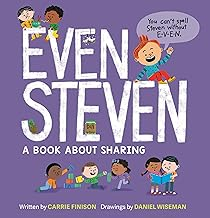
This lighthearted picture book by Carrie Finison follows Steven, a boy who loves sharing things by making everything perfectly even. He thinks the best way to share is always to split things in half because it feels fair and balanced. But Steven soon learns that not everything can be split evenly, like a nickel, a book, or a playground slide. He begins to explore other ways to share, such as taking turns or giving one to each person. As the story continues, Steven starts to wonder if something can be fair even when it isn’t perfectly even. The playful story helps readers think about sharing, fairness, and problem-solving in real life.
I recommend this book as an additional purchase for elementary libraries. It is a fun and engaging way to introduce the concepts of fairness and sharing, and it encourages class discussion. The humor and simple explanations make it a good fit for primary students learning social skills and cooperation.
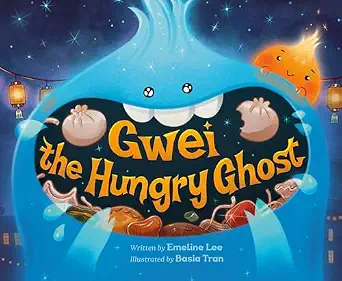
Gwei the Hungry Ghost by Emeline Lee is a sweet story about a ghost who cannot seem to fill his empty belly. During Ghost Festival, Gwei searches for the perfect food, but nothing satisfies him. When he meets another hungry ghost and decides to share his food, he learns that friendship can be just as important as a good meal. The story introduces readers to Chinese folklore and features warm, colorful illustrations. This book shares a meaningful lesson about kindness, generosity, and friendship.
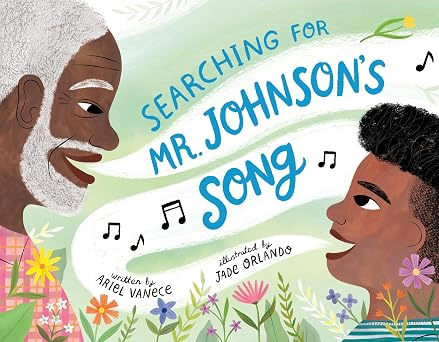
This heartwarming story follows Caius as he tries to help his elderly neighbor, Mr. Johnson, remember the rest of his favorite song. Even though Mr. Johnson struggles with memory loss, music continues to bring him comfort and joy. Caius searches through library books and recordings, determined to find the song and help his friend. The story explores important themes such as kindness, helping others, aging, memory loss, and living with physical challenges. It also introduces young readers to topics like Alzheimer’s disease and the importance of supporting elderly members of the community.
I recommend this title as an additional purchase for elementary libraries. The book presents valuable messages about empathy, service, and understanding people with memory loss in a gentle and age-appropriate way. The inclusion of characters experiencing Alzheimer’s disease and using a wheelchair helps promote awareness and inclusion. However, the story feels somewhat incomplete, lacking the details and cohesiveness needed to fully connect the plot and characters. At times, it seems as though important pieces of the story are missing, which may leave readers wanting more development. While the themes are meaningful and worthwhile, the overall storytelling is not as strong as the message it aims to deliver.
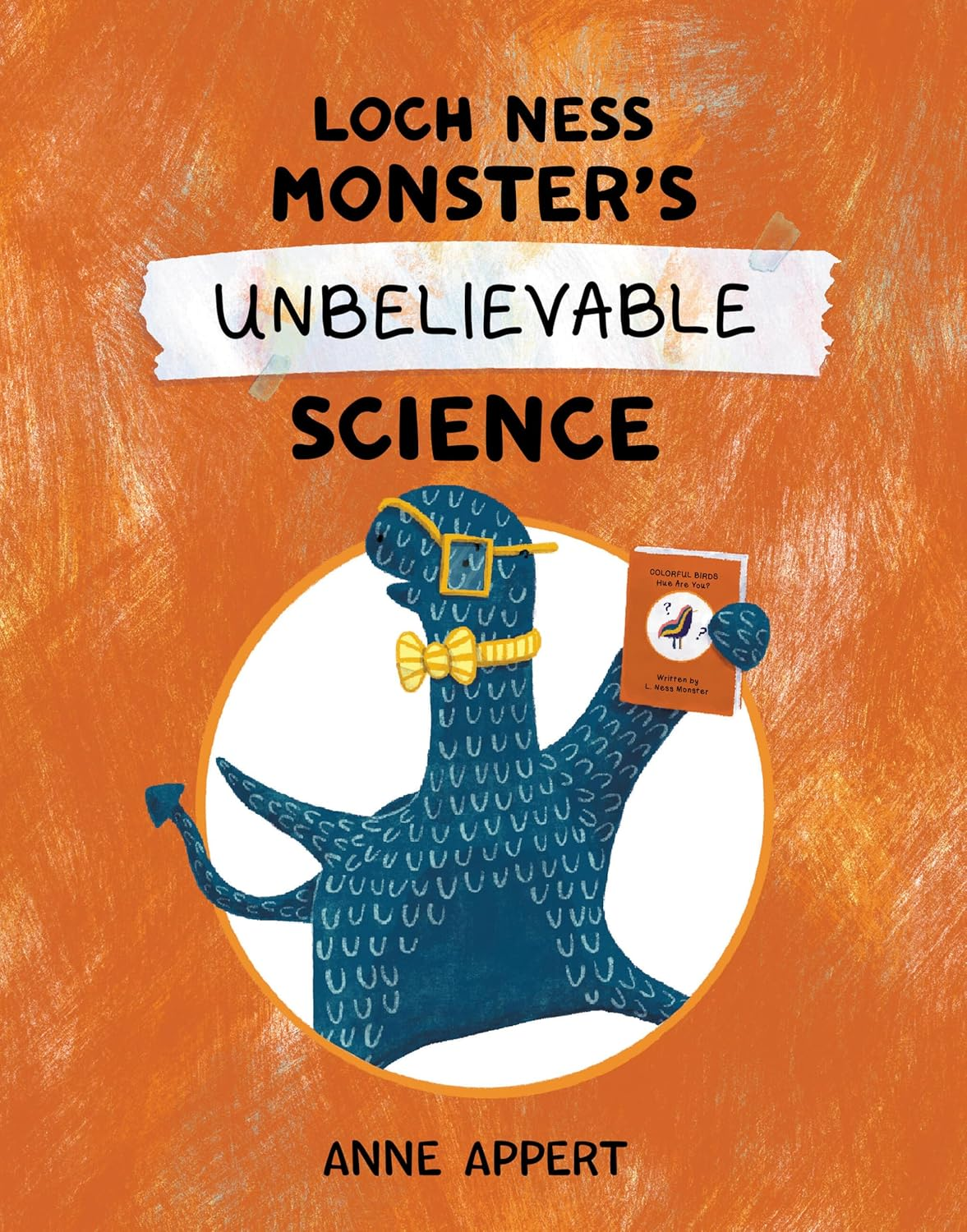
This funny graphic novel by Anne Appert follows the Loch Ness Monster as he tries to explain why certain birds have unusual colors. While Ness tells exciting stories, Puffin repeatedly points out that the stories are not based on real science. Throughout the book, readers are introduced to actual facts about birds and learn about the importance of telling the difference between facts and misinformation. The colorful illustrations and humorous characters will appeal to many young readers.
I recommend this title as an additional purchase for elementary libraries. The book offers opportunities to discuss science, misinformation, and critical thinking. However, the graphic novel format and talking animal characters may make it difficult for some younger readers to distinguish between the fictional stories and the factual information. While the real science content is included, it can sometimes be overshadowed by the humorous narrative. Libraries looking to strengthen collections on media literacy and evaluating information may still find this a useful supplemental title.
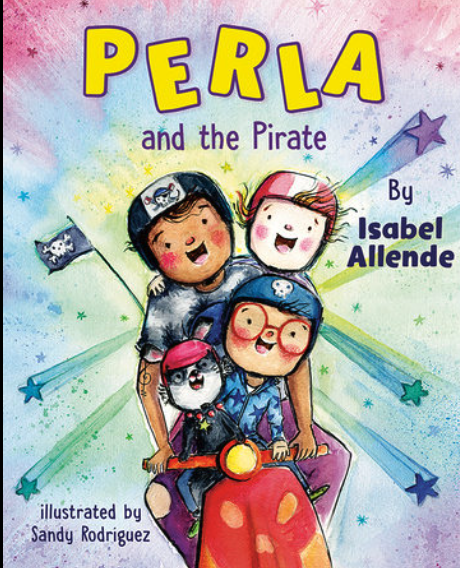
Perla is a well loved dog by her person, Nico. When Perla and Nico’s mom are late to pick him up from school, he decides to try to walk home on is own only to get lost. Perla, Nico’s sister and a new neighbor go in search of Nico. Will they find him safe and sound.
This is book two about Perla and their owner Nico. I would recommend this title as an additional purchase.
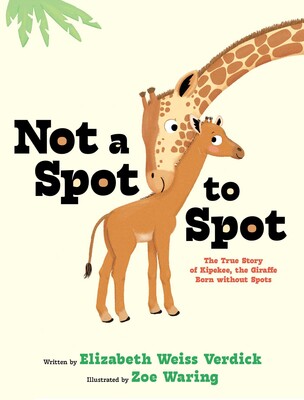
Not a Spot to Spot tells the story of Kipekee, a rare giraffe born without spots. The simple text makes the book accessible to young readers, and the colorful illustrations and adorable depictions of Kipekee, complete with rosy cheeks and charming expressions, will make them return to the book to look through the pictures. The rhyme scheme felt somewhat inconsistent, which occasionally made it difficult to read aloud smoothly, but the message of celebrating the qualities that make each of us unique comes through clearly. Many children will enjoy exploring the book on their own, to appreciate the cute animals featured throughout the zoo.
As a warning, there are no photographs of the real Kipekee included in the book, and searching for them will likely reveal that Kipekee died at just two years old, which may prove difficult for some children.
In this fantasy novel by Mari Lowe, a Jewish boy named Ezra learns he is the Nivchar, or chosen one, who is destined to battle a dangerous fiery creature called the gurya during his bar mitzvah. If he wins, the world remains in a peaceful “Beinoni time,” free from war and suffering. But as strange events begin happening and the balance of the world starts falling apart, Ezra realizes something is wrong. Along with new friends, he uncovers secrets and conspiracies that challenge everything he has been taught about destiny, courage, and justice. The book is a little slow when it starts but is truly inspiring. The book is told with a first person narrator. This seems to either irritate readers or helps pull them in, depending on the reader. I did not mind it! For students willing to stick with the opening world building, it will be an enjoyable read. The book includes a glossary at the end of Jewish terminology that the reader might not be familiar with. It helps to add meaning to a book with a Jewish cultural background.
Reviewed by parent volunteer, Esperanza B.D. for Komachin Middle School
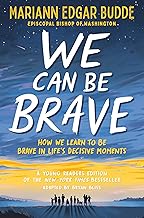
Mariann Edgar Budde is an incredible person with an inspirational story to share with the world. Her journey to becoming an Episcopal Bishop is beautifully intertwined with God´s love to help her. She found God in her life as an independent junior in high school living on her own with major changes and decisions in her life. She writes about how God helped her overcome and find stability in life, and a community in New Jersey when she had none. She shares stories, scriptures, books, and metaphors at each turn in her life, she shows that in everything there are signs of God. After moving to New Jersey, she moved to Minnesota and then Washington DC. All of the moves for church, she became bishop eventually, and gave many sermons. Some of the sermons she gave were criticized and when she made mistakes, she always made it right. Mariann shows that, like all people, she makes many mistakes too, and that without God she might have crashed her own ship. She writes about how stepping up to the plate and swinging is better than never stepping up at all. After all, you do miss 100% of the swings you never make. Mariann teaches children how to push past fear and make courageous choices. By combining personal stories, scripture, and tales from pop culture, the book encourages young readers to recognize that bravery is a lifelong journey practiced in everyday moments.
This book is strong and inspiring with many relatable stories about Mariann´s life, and her journey to the Episcopal Diocese of Washington. It´s a book everyone will need in their life at some point with its punchy prose. Mariann Edgar Budde wrote this book with a strong female lead, based off of her famous sermon called a House Built on Rock. She made this book after her sermon got famous. Her sermon was standing up to President Donald Trump after he claimed to be Christian. It is a highly spiritual book about the Episcopal church. She mentions her family life and journey on the path of becoming the Washington DC Episcopal church bishop. It is political, spiritual, and inspiring. It mentions a bit about her view and the church´s view on LGBTQ+ rights and political views. It follows her path and how others have affected it such as family, co-workers, members of her church, political people, other bishops, and God’s role in her life.
I liked how inspiring We Can Be Brave is and how much it shows that God can help you in your life when times are tough or when life is challenging. I feel that God gave me this book to read at this time in my life for a reason. With change in life, it can be good to have the reminder to think in a divine perspective.
I did not like how there was not super clear points or break of section, while the book was good and was divided into chapters, it was hard to get into the book and then find a good stopping part. It was harder to get through or into than other non-fiction books that I have read. It was inspiring and punchy along with precise language.
Overall, I’d give this book a 4 out of 5 stars. Book includes bibliographic notes at the end.
Reviewed by 7th grader, Eliza B. from Komachin Middle School
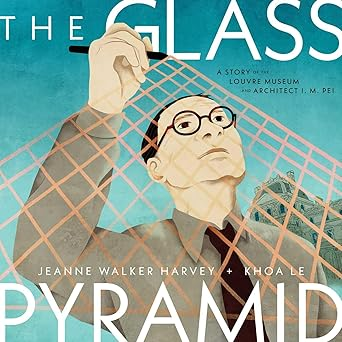
The Glass Pyramid is a true story about architect I. M. Pei and how he designed the glass pyramid at the Louvre Museum in Paris. The book shows how Pei faced problems and people who did not agree with his ideas. He used creativity and kept working until his design became a success.
The writing is clear and easy to understand, and the illustrations help readers see both the old museum and the modern glass pyramid. This book teaches that big ideas take time and hard work. It would be a good addition to an elementary school library, but it should be considered an additional purchase rather than a core title.