Candy is an elementary school librarian in Shelton, WA at the school where she was a student (so many years ago!). Her library is unique in that she brings her background and love of biology to her students in many ways. Not only does she have an awesome selection of science books; she also has a beaver, bobcat and mink sitting on her shelves and a variety of jarred specimens for her students to study. When she's not in the library, she is taking care of her baby trees on her tree farm and hanging out with her family and many pets. * 2025 WA Library Association School Librarian of the Year
It is often difficult to find engaging books for our emergent readers, but Lunar New Year (series Holiday Fun!) will be a favorite with its full page photos and simple text. Readers will discover many of the elements unique to this holiday as they explore the photos and read the brief sentences. There are many important nonfiction elements, including: Table of contents, index, labels and ‘words to know’ list. Repetitive, controlled vocabulary and short sentences will aid in reading success. Photos show diverse subjects and settings. There are sixteen books in the series. Purchase this set to update your holiday collection and attract your newest readers. Recommended.
It is often difficult to find engaging books for our emergent readers, but Passover (series Holiday Fun!) will be a favorite with its full page photos and simple text. Readers will discover many of the elements unique to this holiday as they explore the photos and read the brief sentences. There are many important nonfiction elements, including: Table of contents, index, labels and ‘words to know’ list. Repetitive, controlled vocabulary and short sentences will aid in reading success. Photos show diverse subjects and settings. There are sixteen books in the series. Purchase this set to update your holiday collection and attract your newest readers. Recommended.
It is often difficult to find engaging books for our emergent readers, but St. Patrick’s Day (series Holiday Fun!) will be a favorite with its full page photos and simple text. Readers will discover many of the elements unique to this holiday as they explore the photos and read the brief sentences. There are many important nonfiction elements, including: Table of contents, index, labels and ‘words to know’ list. Repetitive, controlled vocabulary and short sentences will aid in reading success. Photos show diverse subjects and settings. There are sixteen books in the series. Purchase this set to update your holiday collection and attract your newest readers. Recommended.
It is often difficult to find engaging books for our emergent readers, but Thanksgiving (series Holiday Fun!) will be a favorite with its full page photos and simple text. Readers will discover many of the elements unique to this holiday as they explore the photos and read the brief sentences. There are many important nonfiction elements, including: Table of contents, index, labels and ‘words to know’ list. Repetitive, controlled vocabulary and short sentences will aid in reading success. Photos show diverse subjects and settings. There are sixteen books in the series. Purchase this set to update your holiday collection and attract your newest readers. Recommended.
It is often difficult to find engaging books for our emergent readers, but Juneteenth (series Holiday Fun!) will be a favorite with its full page photos and simple text. Readers will discover many of the elements unique to this holiday as they explore the photos and read the brief sentences. There are many important nonfiction elements, including: Table of contents, index, labels and ‘words to know’ list. Repetitive, controlled vocabulary and short sentences will aid in reading success. Photos show diverse subjects and settings. There are sixteen books in the series. Purchase this set to update your holiday collection and attract your newest readers. Recommended.
It is often difficult to find engaging books for our emergent readers, but Holi (series Holiday Fun!) will be a favorite with its full page photos and simple text. Readers will discover many of the elements unique to this holiday as they explore the photos and read the brief sentences. There are many important nonfiction elements, including: Table of contents, index, labels and ‘words to know’ list. Repetitive, controlled vocabulary and short sentences will aid in reading success. There are sixteen books in the series. Purchase this set to update your holiday collection and attract your newest readers. Recommended.
It is often difficult to find engaging books for our emergent readers, but Fourth of July (series Holiday Fun!) will be a favorite with its full page photos and simple text. Readers will discover many of the elements unique to this holiday as they explore the photos and read the brief sentences. There are many important nonfiction elements, including: Table of contents, index, labels and ‘words to know’ list. Repetitive, controlled vocabulary and short sentences will aid in reading success. There are sixteen books in the series. Purchase this set to update your holiday collection and attract your newest readers. Recommended.
It is often difficult to find engaging books for our emergent readers, but Day of the Dead (series Holiday Fun!) will be a favorite with its full page photos and simple text. Readers will discover many of the elements unique to this holiday as they explore the photos and read the brief sentences. There are many important nonfiction elements, including: Table of contents, index, labels and ‘words to know’ list. Repetitive, controlled vocabulary and short sentences will aid in reading success. Purchase this book to update your holiday collection and attract your newest readers. Recommended.
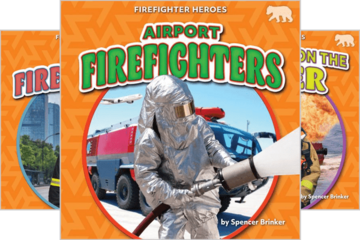
Do you need to update your community helpers section of your library? This four book set geared toward your youngest learners is perfect! Each of the four books focuses on a different type of firefighter. Titles include: Smoke Jumpers, Firefighters on the Water, Airport Firefighters and City Firefighters.
Simple text and exciting photos that illustrate each firefighter’s type of job in an emergency situation are very engaging. For example, Smoke Jumpers starts with a forest fire scenario and moves through the course of fighting the fire, showing equipment and the work of the smoke jumpers.
There are several important nonfiction text features in these books. A basic table of contents and index show the book’s organization for young readers. Headings are clearly identifiable and students can easily find the sections they want. Unfamiliar words are in bold type and defined in the glossary. Each two page spread has a short passage and large photo that illustrates the text. Many of the photos are labeled to further note the important details. Additional exploration is possible with suggested books and webpages noted at the end.
These books are a well-organized and appealing introduction to different firefighting jobs and a sound purchase for those libraries looking to update their collection. Teachers will appreciate the many nonfiction text features. Students will love these books, because they are exciting and fresh, with many different types of people doing jobs that kids might want to do in the future Highly recommended.
18 book series written by Ariel Factor Birdoff (11) and Suzane Nguyen (7)
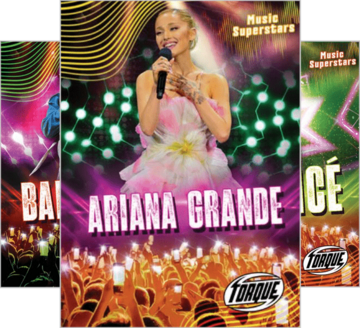
This engaging high-low series is full of facts and photos of today’s most popular musical superstars and will entice even the most reluctant reader. Each book follows the childhood and career of a singer or songwriter in short, accessible text blocks and color photos. Titles and subtitles are large enough to draw attention immediately to the topic addressed. Abundant illustrations are explained in the accompanying captions. Highlights of the musicians’ careers, including favorites (foods, shows, pets, etc.) and top hits are located throughout each book in sidebars. A timeline of the stars’ careers begins with their start in the industry and typically includes song releases, awards and big events. And, awards are also shown in a simple table. Bold words within the text help readers determine context within the text and are further defined in the glossary at the end. A Table of Contents and Index are helpful for organization and students will enjoy learning more from the resources listed on the “To Learn More” page.
These slim books will fly off the shelves in your library as they pack a lot of information in a very accessible and highly engaging format. Biographies of contemporary musical artists are immensely popular and students will be very motivated to read them. Students will love the content and teachers will love the clearly presented nonfiction text features. These books are highly recommended and will be great additions in an updated biography section at the elementary and middle school levels.