International Space station

Space and astronauts are popular subjects, given the 50th anniversary of the moon landing. It is not often that K-3 crowd gets a good nonfiction book on those topics. This book should fit the bill. It discusses the origin of the space station, life on the space station today and more. Each two page spread has a full photo with a short paragraph describing the picture. Highlighted words are in the glossary. Other nonfiction elements include a table of contents, index and extra resources listed.
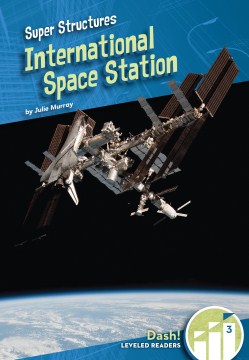
This book is considered a level “3” and deemed a transitional text for those students that are becoming more independent in their reading. It will also work well for the those higher grade/lower level readers, who will enjoy the great illustrations. Pick up this book for your library – it will be checked out often!
Farmers

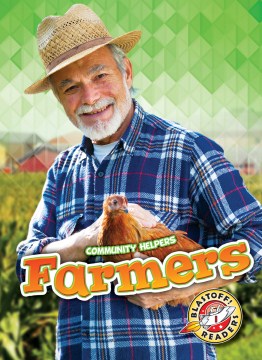
Farmers, part of the Community Helpers series, informs students about the work of farmers, including text boxes labeled “Farmer gear” and “farmer skills”. Sentences are short and highlighted words are identified in the glossary. There are numerous color photos showing farmers that are a mixture of gender, ethnicity and ages. Farmers are working with their hands and using equipment.

This is a nice introduction to farmers and farming. The photos of the many types of people that farm is realistic and timely. There is one part of the book that will need some discussion. It describes where farms are located – in the countryside (obviously), but also in cities and towns. Hmmmm….young students will wonder what that means, given the rural nature of the photographs included. This will be a good discussion point for classes – what defines a farm? Can we all be farmers?

Add this book to your collection for those grades that study community helpers. This series includes fourteen different community helper profiles. If this book and the cover art of the others are indicative of the helpers highlighted (age, race, gender), then this is a series that will resonate with most children, who will see themselves (no matter who they are) in those roles.

Surviving a Shipwreck: the Titanic

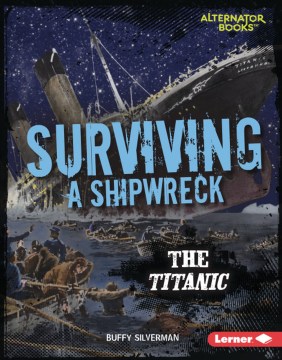
Surviving a Shipwreck: the Titanic is a narrative nonfiction following the timeline of the sinking of the Titanic, from its launch and sinking in 1912 to its discovery in 1985. The book begins with a hook on the first page – a single paragraph detailing the moments after the ship struck the iceberg. Text is interspersed with historical captioned photos to move the reader through the maiden voyage and sinking as well as the rescue and eventual changes in law (United States and Great Britain) concerning safety measures so that this type of disaster would never occur again.

Typical nonfiction features – table of contents, index, glossary, source notes and so forth are present in this book. An interesting diagram of the sinking itself, from hitting the iceberg to the ship breaking in half and sinking in two pieces is included. Another interesting addition is the short biography of Margaret Brown, who tirelessly aided her fellow passengers as they loaded lifeboats, went on board the Carpathia and later when they got to New York. One last page of note is the guide to surviving disasters with steps to take to keep safe in the unlikely event of a ship sinking.

Pair this book with some of the newer fictional stories about the Titanic to give students more history about the event. Surviving a Shipwreck: the Titanic will be a riveting read for your upper elementary readers and a nice addition to the nonfiction about the event.

Toucans

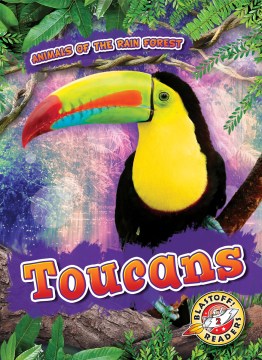
Toucans is a colorful informational book about a bird that most students will not see outside of a zoo. Short sentences with labeled photos are accessible to the beginning readers. Maps, labeled diagram, glossary and index pack a lot of information into a slim volume and the internet links for further reading add more for the inquisitive student.

This book is part fo the Animals of the Rain Forest series. Look at this series if your younger students are studying biomes, environmental science or just want to read about these cool birds!

The Frog Book

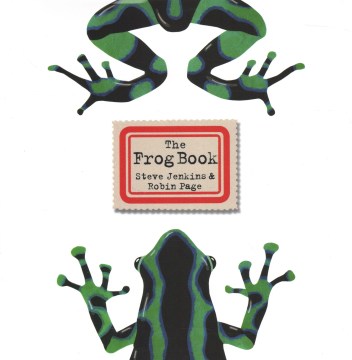
The Frog Book is a 33 page mix of glorious illustrations and amazing facts about some of the over 6,000 (that we know of so far) amphibians that inhabit most parts of the world. Information is presented in small bites under such page headings as “What is a frog?” and “Finding a mate”. While this information could tend to be somewhat dry if presented in a flat, fact-filled tome, it is nothing short of incredible in this incarnation. Many of the pictures are presented half life-sized, except for a few notables (the largest and smallest, fore example). Some of the illustrations are labeled and there is a fine two page spread of the life cycle of a typical frog. Students will love the detailed information given in this book and, I am sure, will ask to share some of the more ‘interesting’ facts such as the facts that the golden poison frog has enough poison to kill ten adult humans and the hairy frog (yes, it does look a little hairy!) can break its own finger bones that penetrate its skin and act like claws. Wow! I want to learn more about frogs now! This magnificent book will enthrall your young scientists and turn your non-scientists into frog experts hungry for more!

Let’s Visit the Evergreen Forest

Let’s Visit the Evergreen Forest is an introduction to the plants and animals that are part of this particular biome. Pictures are engaging and accompanying text boxes have extra information. A map details where this biome is located. And, information is presented in simple terms, with a glossary to explain the more difficult words.

This book leads the reader to believe that an evergreen forest biome is simply a stand of towering trees, which is incorrect. There are many parts to this ecosystem, some of which are pictured but not discussed in the text. Meadows, wetlands and immature stands of trees as well as the mature forest are all part of a healthy evergreen forest biome. Different animals thrive in different parts of that biome and that is not described in the text. I would not recommend this book for purchase unless it is used in conjunction with instruction on all aspects of an evergreen biome.

Inside the U.S. Army

Inside the U.S. Army gives a very basic overview of this military branch. Four short chapters highlight what it is, training, equipment and what the future might look like for the army. Short, descriptive paragraphs and color photos of army personnel of different genders and ethnicity are further explained with extra information boxes. There is also a very nice diagram explaining the gear of a typical infantry soldier as well as a page detailing the history of the army.

This particular book is part of a four book series on the branches of the military and includes typical nonfiction features. A table of contents, index and glossary are helpful. And, a page of books and websites for further reading will be helpful for those students seeking more information. This book will be popular and accessible. Highly recommended.

NBA Finals

Current and past NBA Finals are described in spare text within full-color pictures of this 24 page high interest-lower reading level nonfiction book. The history of the NBA is briefly described along with exciting photos of some of its starts will engage even those reluctant readers.

Typical nonfiction features are included: table of contents, index, glossary and further exploration. Unfamiliar words are bolded and a two page spread of the bracket used will entice young readers to keep this book in hand. Additional purchase

Saltwater Crocodiles

Saltwater Crocodiles describes the largest reptile in a succinct (two to three sentences per page), well-written manner with incredible photos of a crocodile swimming, leaping out of the water and more. Information is often presented with comparisons so that the reader has a better sense of the enormity of this animal. Words that might be unfamiliar to the reader are highlighted and there are additional facts near the end of the book. It includes a glossary, index and table of contents. Additional online materials may be accessed with an included code.

This is a wonderful book for young students that want to learn some basic facts about this giant animal. This book is part of the Abdo Super Species series and well worth your money. It won’t stay on the shelves long!