All kinds of 4×4 trucks are shown in various crazy driving situations, whether they involve lots of dirt, mud or water. This informative book is a high interest- low level book, so it is written for a 3-6 grade interest level and a 2.6 grade reading level. There is a timeline, labeled vehicle and typical nonfiction features (glossary, index, table of contents, extra resource list, etc.). This book is part of the Full Throttle series that includes eight different vehicles and it is a certainty that none of them will be on your shelves if you buy them!
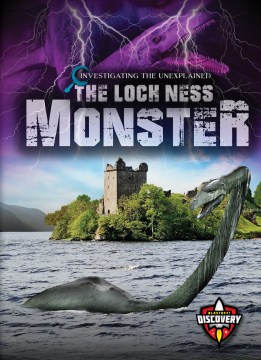
This book describes the mystery of the Loch Ness Monster. Illustrations and text explain the history of sightings, searches, hoaxes and hopes for finding this seemingly elusive creature. The reader learns where the Loch is located, what kind of tools are used to search for it and possible alternative animals that it might actually be. Extra tidbits of information are included in text boxes throughout and there are the typical nonfiction features – index, glossary and resource lists in the back of the book. Add this book to your collection if you want to update your section on supernatural creatures. It’s actually kind of fun!
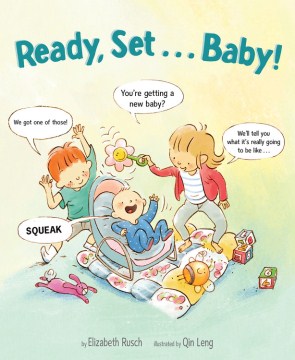
Anna and Oliver tell us what it’s like to have a new baby join the family. This book starts with the announcement from mom and goes through the last stages of pregnancy and all the changes that occur for older siblings when the new family member arrives (and stays!). Word bubbles are interspersed with minimal text around sweet illustrations that give a good amount of information for new big brothers and sisters. This book is lighthearted and touches on many topics in which ‘bigs’ might have an interest, like all those sounds babies make instead of talking, the whole yucky diaper thing, spitting up, bedtime routines, visits and so forth. There is a resource list for added information and tips for parents in the back of the book. This book will answer many questions for older siblings and does so in a friendly, easy manner. It will be a great resource for parents who want some help answering those questions in an age-appropriate way.
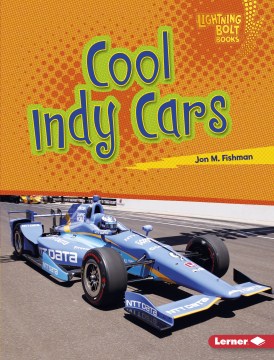
Cool Indy Cars is an adrenaline rush inducing introduction to the history, parts and current racing of this type of vehicle. The book is loaded with photos, both historic and current and text boxes add tidbits of fun information about those pictures. A labeled diagram, extra facts, extra resources, index and glossary come together to make this an accessible interesting read for young students. The sentences are short and sometimes choppy. But the content is solid and interesting.
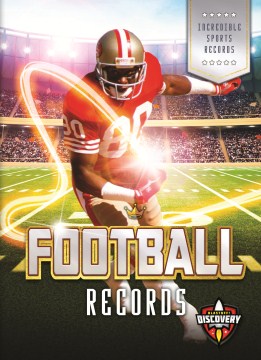
Football Records, part of Blastoff! discover. Incredible sports records series, is a quick “dip your toes into the stats” kind of book. Glossy action shots of various record holders with short paragraphs and extras in scattered text boxes will leave the casual reader satisfied and the sports fanatic ready to explore more (which will be simple, given that there are extra print and internet resources listed in the back of the book). Highlighted words are defined in the glossary and an index is a nice quick reference. This will be a good purchase if you are looking to update your sports collection.
This book is part of the Tough Truck series and, as such, describes one make/model of vehicle. The reading level is 5.7 and the book is targeting the 3-6 grade reader. Chevrolet Silverados are described – including their history, distinctive parts (bow tie shaped logo, square grill and tailgate spoiler),lots of color photos and specifications for the model. Typical nonfiction aspects include table of contents, glossary, index and extra resources list.
While this is a great book for the target audience, it isn’t really a stand-alone book, because truck aficionados are loyal to their brand, even at an early age. Therefore, there might be limited circulation. Because it is part of a six book set of different makes/models, one should buy the entire set or none of them. The entire set would be fun to have in the library, because one can just imagine the heated arguments in the 600’s section over the best truck out there!
Dragsters, part of the Full Throttle series, is full of color, action and facts that will make your readers’ hearts race. This book describes a drag race, the history of drag racing and parts of a dragster. Color photos, a timeline, index, glossary, short paragraphs and a list of further informative resources make this a good choice for its target audience – the high/low reader. This is an adrenaline rush of a book that is very accessible and it will have your auto junkies begging for the rest of the series.
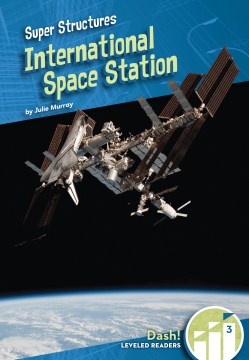
Space and astronauts are popular subjects, given the 50th anniversary of the moon landing. It is not often that K-3 crowd gets a good nonfiction book on those topics. This book should fit the bill. It discusses the origin of the space station, life on the space station today and more. Each two page spread has a full photo with a short paragraph describing the picture. Highlighted words are in the glossary. Other nonfiction elements include a table of contents, index and extra resources listed.
This book is considered a level “3” and deemed a transitional text for those students that are becoming more independent in their reading. It will also work well for the those higher grade/lower level readers, who will enjoy the great illustrations. Pick up this book for your library – it will be checked out often!
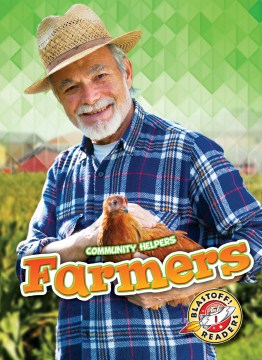
Farmers, part of the Community Helpers series, informs students about the work of farmers, including text boxes labeled “Farmer gear” and “farmer skills”. Sentences are short and highlighted words are identified in the glossary. There are numerous color photos showing farmers that are a mixture of gender, ethnicity and ages. Farmers are working with their hands and using equipment.
This is a nice introduction to farmers and farming. The photos of the many types of people that farm is realistic and timely. There is one part of the book that will need some discussion. It describes where farms are located – in the countryside (obviously), but also in cities and towns. Hmmmm….young students will wonder what that means, given the rural nature of the photographs included. This will be a good discussion point for classes – what defines a farm? Can we all be farmers?
Add this book to your collection for those grades that study community helpers. This series includes fourteen different community helper profiles. If this book and the cover art of the others are indicative of the helpers highlighted (age, race, gender), then this is a series that will resonate with most children, who will see themselves (no matter who they are) in those roles.
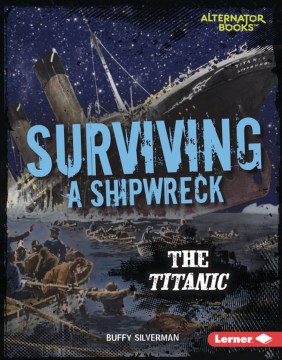
Surviving a Shipwreck: the Titanic is a narrative nonfiction following the timeline of the sinking of the Titanic, from its launch and sinking in 1912 to its discovery in 1985. The book begins with a hook on the first page – a single paragraph detailing the moments after the ship struck the iceberg. Text is interspersed with historical captioned photos to move the reader through the maiden voyage and sinking as well as the rescue and eventual changes in law (United States and Great Britain) concerning safety measures so that this type of disaster would never occur again.
Typical nonfiction features – table of contents, index, glossary, source notes and so forth are present in this book. An interesting diagram of the sinking itself, from hitting the iceberg to the ship breaking in half and sinking in two pieces is included. Another interesting addition is the short biography of Margaret Brown, who tirelessly aided her fellow passengers as they loaded lifeboats, went on board the Carpathia and later when they got to New York. One last page of note is the guide to surviving disasters with steps to take to keep safe in the unlikely event of a ship sinking.
Pair this book with some of the newer fictional stories about the Titanic to give students more history about the event. Surviving a Shipwreck: the Titanic will be a riveting read for your upper elementary readers and a nice addition to the nonfiction about the event.