Chicka Chicka Tricka Treat

by Julien Chung

A, B, C and all the rest are together again in a Halloween story based on the original “Chicka Chicka Boom Boom by Bill Martin, Jr. and John Archambault. The alphabet is climbing a creaky tree and ready for Halloween with costumes, spider webs and pumpkins. They fall to the ground when a ghost shouts “Boo”, who then encourages them to come back up. They climb again and the story ends with “Chicka chicka tricks treat. Everybody – time to eat!”.

Colorful illustrations and catchy phrases will entice young readers to delve further into this amusing story. They will enjoy the extra fun of looking for the Halloween elements throughout the book. Each letter is ‘costumed’ in some way and there are spiderwebs, pumpkins and ghosts along the way. Recommended.

Red Rover, Red Rover, Send a Vowel Over

Written by Kimberlee Gard and illustrated by Sandie Sonke

In this “Language is Fun!” book, the shy vowels take some convincing from the letter ‘Y’ to play a Red Rover style game. In this game, the consonants are trying to make words, which doesn’t work so well when the vowels don’t join in.They feel different than their consonant friends and they don’t really want to call attention to themselves. ‘Y’ knows how they feel, because (as he explains) he’s a little different as well. Sometimes he acts like a vowel and sometimes he acts like a consonant. Fortunately, ‘Y’ talks the bashful vowels into being part of the game (“Every word needs a vowel!”) and it is so much fun!

Bright, colorful anthropomorphic letters dance across the pages and simple clean lines make an attractive read. This story will work well in the lower grades where teachers want to introduce or reinforce the concept of vowels and consonants.

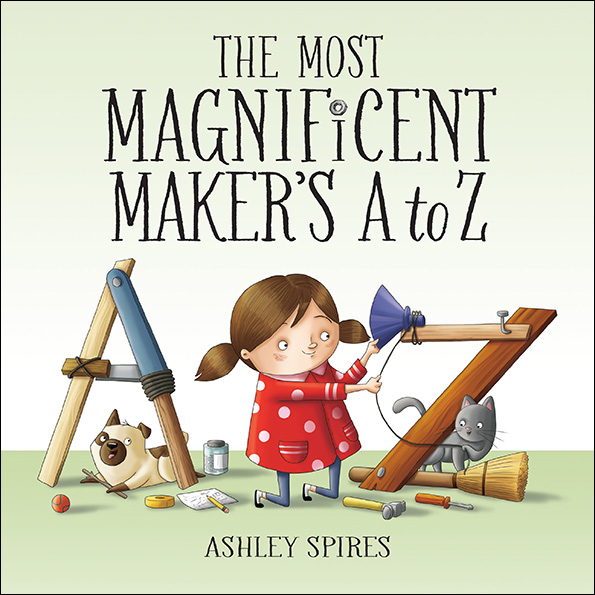
The Most Magnificent Maker’s A to Z by Ashley Spires

    This ABC book pairs perfectly with the popular The Most Magnificent Thing. As readers go through the alphabet, we follow the maker as she tries to create yet another magnificent thing. Each featured word or phrase is followed by descriptions that support STEAM thinking, like “Q is for QUESTIONS. Why isn’t it working? What would make it better?” Readers will be inspired as the maker “Experiments” and makes “Mistakes” until the girl and her pup assistant find success.

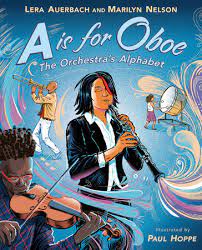
    A is for Oboe : The Orchestra’s Alphabet by Lera Auerbach and Marilyn Nelson

    “A is for Oboe: The Orchestra’s Alphabet” is a poetic journey through music and instruments. Each letter is on a page or two page spread with at least one musical word. Many are recognizable, such as drum and clarinet. Others are less obvious, like meter and motif. We are introduced to the notion that musical instruments can be a ‘he’ or ‘she’ or even somewhat gender-bending (glockenspiel) because to musicians the instruments are ‘beings’ with character and mood.

    Illustrations are vibrant and full of detail, with a great diversity in orchestra members. Text flows and is rich in tone and meaning. This book, while not necessarily a quick read for a student, will be a wonderful read aloud for music teachers as an introduction to the orchestra and all its members/instruments. Recommended