Given that the narrator and his family have brown skin, this book serves as a celebration of his skin color, with rhyming text going through his day listing so many good things that are brown. But that message is subtle and is not directly stated. On another level, it could simply be read as color study, leading to conversations of other colors and where we see them in daily life.
Category Archives: Recommendation
Good Morning, Good Night: a book of opposites in the city
I’m sorry to be rude, but I’m just not a fan. As a book of opposites, it’s got too much clutter burying the less-than-clear opposites, but as a story it lacks much in the way of compelling plot or characterization.
Retazos
This is the Spanish Language version of Patchwork. It is one of those picture books I think has a place in the libraries serving adolescents as well, as it will be read differently by people at different places in their lives. It’s a poem celebrating the way we all grow, and reminding us all that the talents and interests we exhibit as children may evolve into all sorts of different possibilities as we grow. As the poem tells us, we each have a symphony within us — we are not a single note played again and again. It’s a rather philosophical book that I think would speak well to the youth who struggle to define themselves and decide on futures to pursue.
Patchwork
This is one of those picture books I think has a place in the libraries serving adolescents as well, as it will be read differently by people at different places in their lives. It’s a poem celebrating the way we all grow, and reminding us all that the talents and interests we exhibit as children may evolve into all sorts of different possibilities as we grow. As the poem tells us, we each have a symphony within us — we are not a single note played again and again. It’s a rather philosophical book that I think would speak well to the youth who struggle to define themselves and decide on futures to pursue.
Time to Fly
Rhyming text imagines the dialogue between mother bird and the last chick, reluctant to leave the next. The illustrations are soft and have a certain vintage look to them. They capture a variety of perspectives as the young bird ponders the vastness of the sky and the distance to the ground in comparison to the coziness of the nest. It takes a bit of coaxing and convincing and bribing on the part of mother bird, while baby bird stalls and voices his fears, but in the end he does indeed say goodbye to the nest and hello to the sky as he’s on his way to everywhere. The story offers young readers an analogy to which they can relate whatever fears they’ve faced or overcome, and the tone of encouragement is easily transferable to human growth.
Tomie DePaola’s Book of Christmas Carols
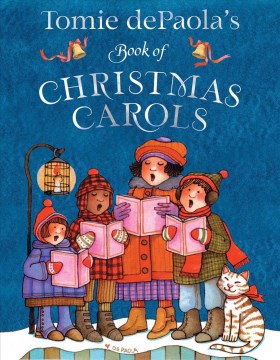
This is a refresh of his 1987 book and it is filled with 32 songs with music and lyrics. Accompanying illustrations are the wonderful artworks that we expect from this great author/illustrator. This book will be a treasure to anyone that chooses to add it to their Christmas collection. Highly recommended, of course!
Crankosaurus
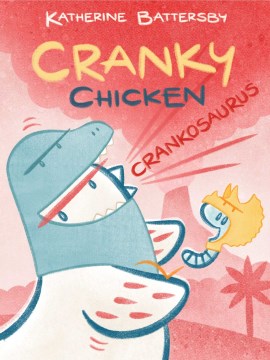
Cranky Chicken and Speedy the Worm engage in all kinds of silliness in this simple graphic novel. Each chapter is a separate short story, ranging from “The Happiest Nap Ever” to “Best Feathered Friend”. Stories are sweet and somewhat reminiscent of “Elephant and Piggie”. And, there are plenty of giggles for adults in the room (Note the Star Wars and Where’s Waldo references). Give this to your young readers who enjoy the above-mentioned “Elephant and Piggie” or “Narwhal and Jelly”. They won’t be disappointed!
Snack Cabinet Sabotage
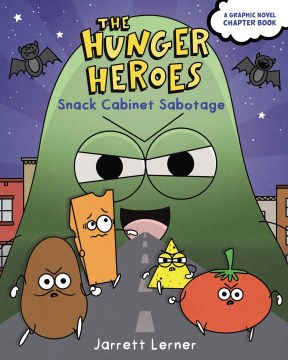
The Hunger Heroes (a bean, chip cheese and tomato) are on the case when a babysitter is left without snacks. Her “hanger” is rising and only they can save the day. Unfortunately, Ava (the jealous super-fan avocado) attempts to foil their rescue using a variety of methods – all of which fail. The super hero foods save the day and Gabby, the babysitter, is ready to do her job with a smile after a few well-chosen snacks. The Hunger Heroes plus Ava (they forgave her) fly off into the night in their taco hovercraft to await the next snack emergency.
This graphic novel chapter book is a fun read for kids who are ready to try something a bit more than a traditional early chapter or picture book. Its spare text and colorful illustrations are are engaging and accessible. Kids will eat this up!
There’s Always Room for One More
On the surface it’s the story of a family purchasing and preparing a larger dining table in preparation of having their grandfather move in and enlarge the family, while the youngest member of the family has a hard time giving up the comfort of the familiar table. Neighbors and extended family help get things ready, and are invited to join in the welcome dinner, until quite a party is built around the new table, full of love all around. What makes it so relatable for students is the way the sentiments of uncertainty in the face of change can be extended to so many aspects of life that bring change, and often leave young ones reluctant to let go of the familiar in order to embrace the new.
Remembering
This is a beautiful and touching book. The text is simple, and yet poetical, with only a single sentence or phrase per page, and the illustrations are bright and rich and full of details that make them relatable as they bring the text to life. It shows a family grieving the loss of a beloved pet dog, building an ofrenda for De de los Muertos as a means of holding onto and honoring their memories. One of the details in the illustrations that I especially like is that all the framed photos of beloved pets show their subjects reaching out beyond the frames, reminding us all that in remembering we keep them with us.