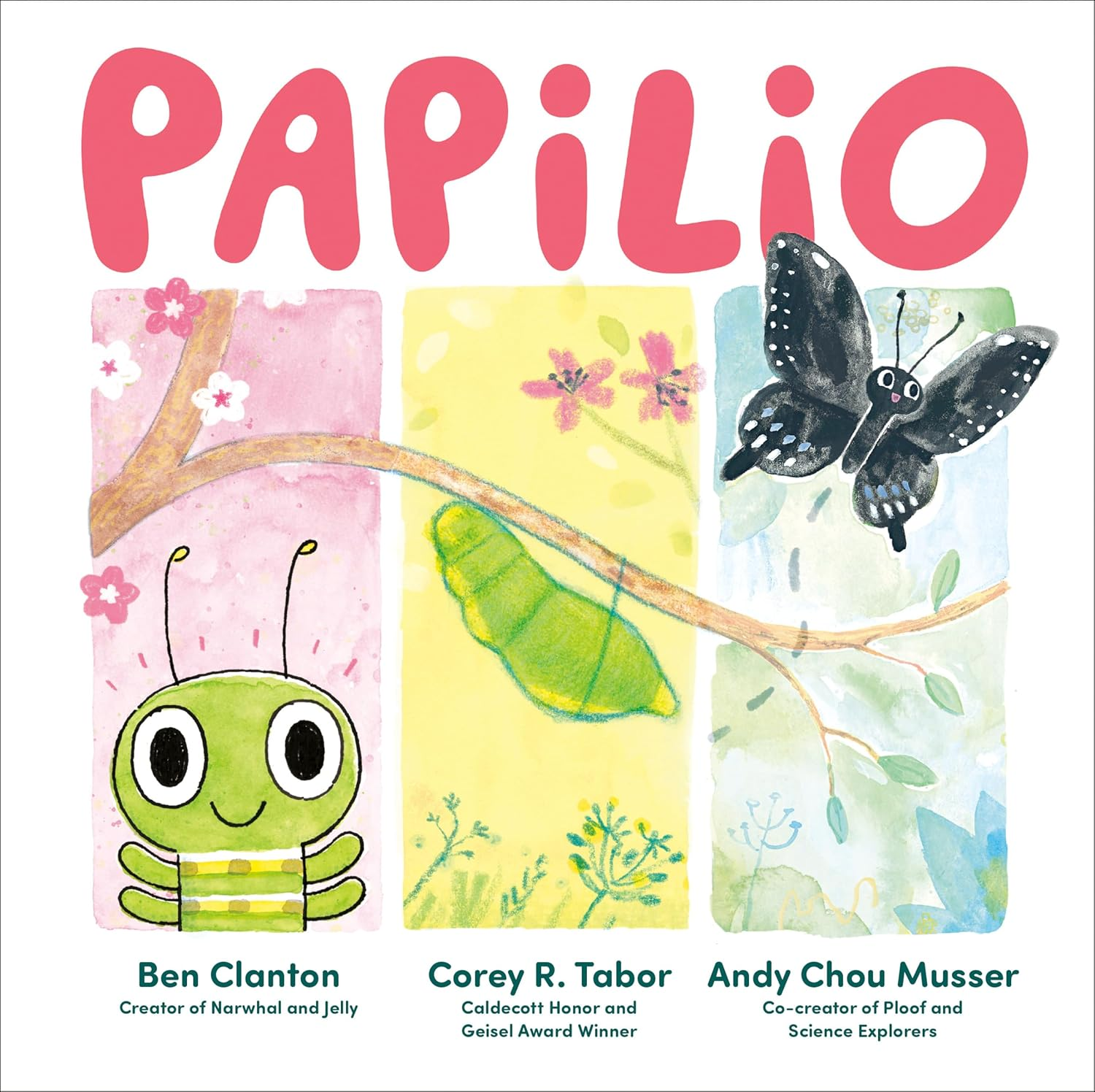
Papilio is a fun and easy-to-understand picture book about a caterpillar named Papilio who wants to become a butterfly. The story is told in three parts by three different authors and has bright, colorful pictures.
Papilio learns how to fly, find food, and make friends. She also faces problems but keeps trying and learns to believe in herself.
The book also has facts about butterflies in the backmatter, which could be helpful for lessons about life cycles and growing up. This book may helps kids learn about change and being brave. Papilio is written in a fun way for readers, but may not be a first choice for learning about butterflies.
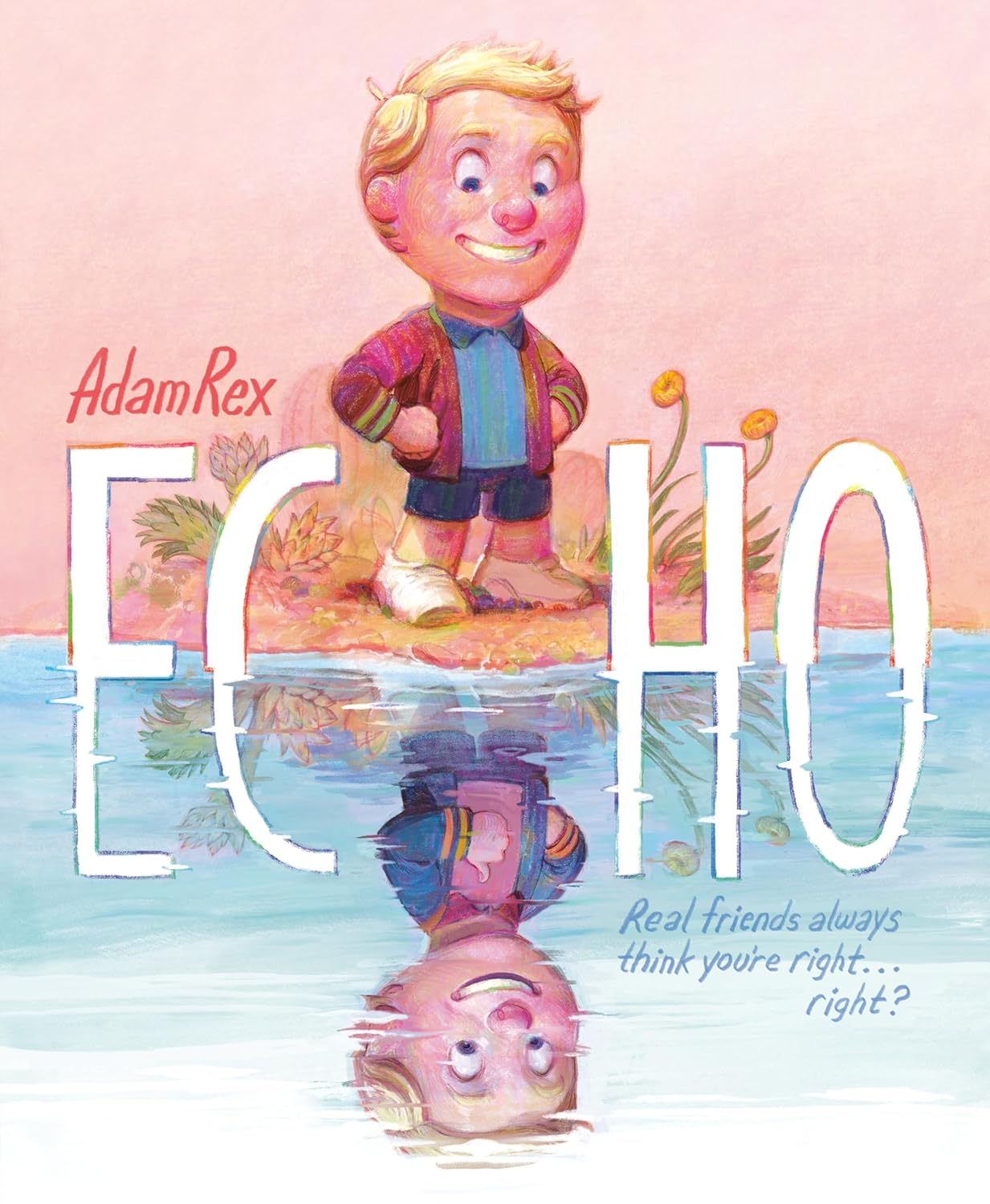
Echo by Adam Rex is a funny and smart book about friendship and learning to accept disagreement. Junior loves hearing how great he is, especially from his echo. But when a new neighbor disagrees with him, Junior learns that friends don’t always have to agree—and that’s okay.
With humor and bright illustrations, this book is great for teaching kids about respect, listening, and admitting mistakes. It’s perfect for classroom discussions about social skills and friendship.
This intense thriller novel is one that will surely keep readers on their toes and wondering what is the real truth.
Harlow Ford has spent her whole life running with her mom, Cora, never truly knowing what they are afraid of. As they wound up in a car accident and are faced with tragic decisions, Cora tells Harlow to never stop running before she dies, forcing Harlow to make a choice; keep living in secrecy, or finally face the truth?
The eye-catching mystery is great at keeping you wondering if what they are saying is true. You never expect what the next page may hold for you. In addition, the wonderful atmosphere and setting of the novel embraces the readers completely. It feels as if you are inside of Harlow’s mind and feeling it with her.
I like the plot of the book. At first, I thought it would not be that interesting or surprising but as I went on, it did shock me a little.I was not expecting the ending or all of these hidden twists and that was pretty exciting. The characters were also well-developed. They were not good or bad but just human. It was great to see characters who truly feel human and are well-rounded people. I dislike how the book is paced. It felt as if the first 3/4 of the book were the same thing over and over. Obviously, it is a mystery so they cannot hand you the answer to everything right away. But, I felt like this was a little excessive. Harlow kind of only had the same knowledge the whole time and it got very repetitive. The story itself is intriguing but the pacing makes it a little less enjoyable. It was almost like a dump of information once we got to the end and it made sense but it was still annoying.
If you like thrillers and horror, I would recommend this book. It encapsulates you completely and brings you into the atmosphere of the novel.
Andrew Varga’s The Last Saxon King features a fast-paced quest through medieval England in the 11th century, during which the last Anglo-Saxon king, Harold Godwinson, defends his rule from invading Viking armies. Varga takes the reader through this journey in the eyes of Dan Renfew, a homeschooled 16-year-old who spends his days haunting the local mall and being taught by his father, a professor of history at a local university. Unbeknownst to him, Dan and his father come from a line of time travelers whose job is to correct “glitches” in history that threaten the present and future. Reminiscent of Mary Pope Osbourne’s The Magic Treehouse series, following a fateful confrontation between a mysterious man and his father, Dan is sent back in time to medieval England to correct changes in history caused by rogue time travelers who seek to use time travel for their own selfish ends. Varga excels at bringing this era of history to life in The Last Saxon King in a way that engages young and adult readers alike. While he takes some liberties in his novel for readability in exchange for historical accuracy, he uses clever workarounds (the time travel device acts as a sort of “universal translator” from English into Old English a la Star Trek) to maintain internal continuity. Ultimately, this novel can be enjoyed by hobbyist historians and sci-fi nerds alike.
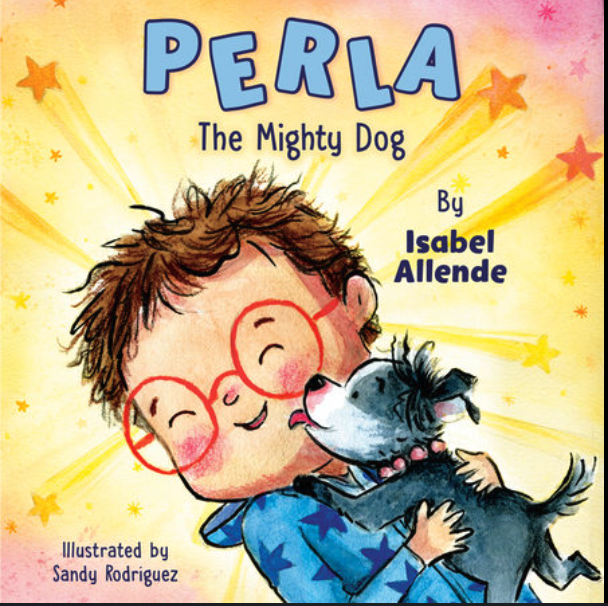
Written by Isabel Allende, Illustrated by Sandy Rodriguez
Perla has two superpowers. First, she can make anybody love them. Second, she can roar like a lion. When she is adopted by the Ricos, she finds herself in the position to help Nico Rico who is being bullied. Nico learns how to roar like a lion against a bully at school.
Written from the viewpoint of Perla, this is a light story about how a dog’s love can support the boy who cares about him the most.
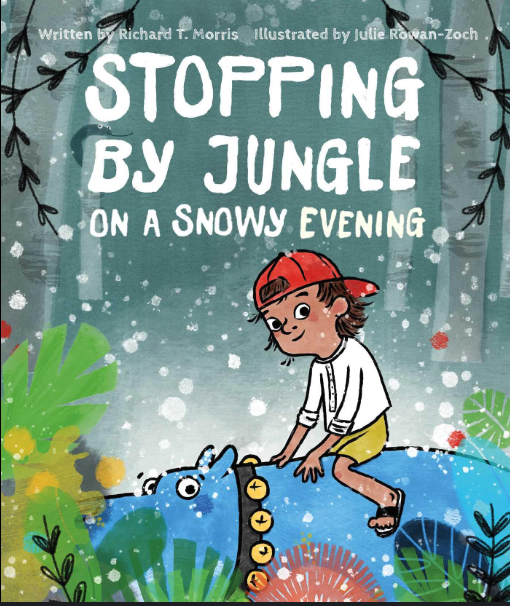
Written by Richard T. Morris, Illustrated by Julie Rowan-Zoch
A young boy adventures into a jungle, or is it the woods? He stumbles upon a house where he meets the poet, Robert Frost. From there the boy and the poet argue about his famous work, “Stopping by Woods on a Snowy Evening”. The boy argues that the poem needs more action and needs to include his hippo in the jungle. The poet insists that the poem should be calming and meditative. An humorous adventure ensues with a jingling hippo, meteors, snakes and karate.
This book contains bright and vibrant illustrations. It has the original poem at the end as well. If one has a specific theme to focus upon or the actual Frost poem is a focus within the school, this would be a fun extra purchase for your library.
A papa rockhopper penguin falls asleep while waiting for his egg to hatch and is accidentally separated from his egg. He ends up very far away and has to use a variety of modes of transportation to make it back to his egg. He takes a train, a chopper, a pogo stick, an elephant and a hover board to name a few. The characters throughout the story are different animals, the text is rhyming, with some rhymes being approximate rhymes. The illustrations are vibrant and fill the page.
A young boy is in bed and should be asleep, but he is awake. He must be nocturnal. He sneaks around the house on his way to get a tasty snack. He discovers he is not the only one awake and they enjoy a snack together and eventually fall asleep. Throughout the story we are introduced to a few nocturnal animals. The pictures are cartoonish and includes labels for the different animals. The end of the book includes some information about nocturnal animals.
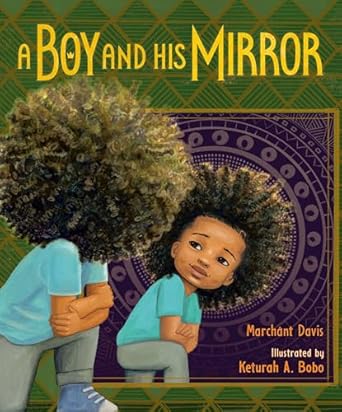
Chris gets teased for his long curly hair, but he likes it. When he looks in an ornate mirror to reassure himself, an African woman mystically appears. She reminds him that in a faraway land his hair is the hair of a king. Chris learns that acting like a king isn’t about swagger and bling it’s about how you treat others. Chris steps up into a leadership role on the playground encouraging others to “stop judging, quit calling names. Be a little more chill. Stop playing games.” The story ends with Chris playing with his new group of friends.
Lovely illustrations portray a diverse cast of children with expressive faces. The story encourages the concepts of positive self-image as well as acceptance and kindness to others. The only drawback is the unexpected appearance of the mirror that does not fit the flow of the story.
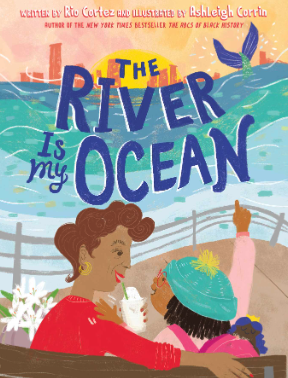
In this book our main character travels down to the Hudson River every Saturday with her abuela who has missed to ocean since moving from Puerto Rico. Going there and back, she and her abuela stop and visit people and shops in their neighborhood They also relax and enjoy the river when they arrive at the park. This book celebrates the culture and history of the Afro-Caribbean communities of New York. This would be a good book to purchase if your community has Caribbean or Spanish speaking students. It talks about the powerful goddess Yemaya who represents motherhood and the sea.