“Cool Cars” series literally says it all in the series’ name. These are books about fast, luxurious and fun cars that are, well, COOL! High interest topics paired with a load of brilliant photos and accessible text make this 28 book set a must-have in your library. Nonfiction elements include: Table of Contents, glossary, index, bolded words and labeled illustrations. Each book has the important facts about a car like its engine type, history, size, speed and future plans of the manufacturers. This photo-heavy, high-low series will be popular among your patrons!
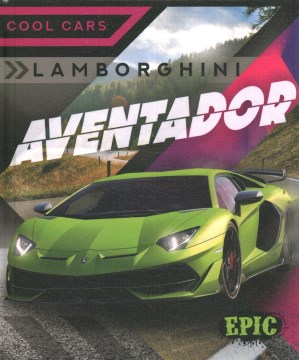
Lamborghini Aventador describes a luxurious car that many readers might recognize. That’s because it has been in several action movies. This car’s design was inspired by the F-35 jet and it can come with really cool scissor doors per the buyer’s request. This book won’t stay on the shelf for long as the topic is exciting and book is filed with cool facts and photos. Recommended.
“Cool Cars” series literally says it all in the series’ name. These are books about fast, luxurious and fun cars that are, well, COOL! High interest topics paired with a load of brilliant photos and accessible text make this 28 book set a must-have in your library. Nonfiction elements include: Table of Contents, glossary, index, bolded words and labeled illustrations. Each book has the important facts about a car like its engine type, history, size, speed and future plans of the manufacturers. This photo-heavy, high-low series will be popular among your patrons!
Ferrari 296 opens with a red Ferrari zipping home and being plugged in – it’s a hybrid! This hybrid can go 0-62 miles per how in less than 3 seconds, with a top speed of 205 mph. There’s a lot of information packed into a few words and some amazing photos of this luxury model. Another great book from the Cool Cars series!
“Cool Cars” series literally says it all in the series’ name. These are books about fast, luxurious and fun cars that are, well, COOL! High interest topics paired with a load of brilliant photos and accessible text make this 28 book set a must-have in your library. Nonfiction elements include: Table of Contents, glossary, index, bolded words and labeled illustrations. Each book has the important facts about a car like its engine type, history, size, speed and future plans of the manufacturers. This photo-heavy, high-low series will be popular among your patrons!
Maserati MC20 describes the Italian luxury vehicle that was announced for production in 2020 (hence the “20” in its name). This speedy sports car is built for the road not the track and bears the famous Maserati badge on the front grill – Neptune’s trident. Future plans include an all – electric model by 2030. Young readers will love to learn about this car. Recommended.
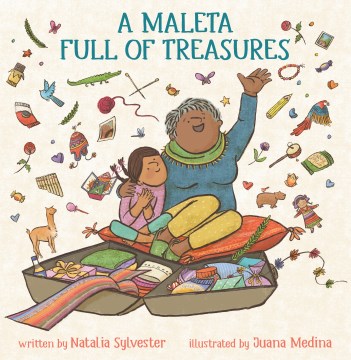
written by Natalia Sylvester and illustrated by Juana Medina
Dulce can’t wait for Abuela’s visit from Peru. When her grandmother asks what she would like her to bring in their video chat, Dulce replies “Just you”. But, Abuela brings so much in her maletas – candies, baked goods, books, a cozy blanket and more. Dulce and Abuela make memories together – making food, listening to cousins’ messages and her grandmother’s stories. The time comes for Abuela to return home and Dulce wants to send her off with mementos of the visit like photos, favorite soaps and a journal she kept during the visit. At the airport, Dulce feels the sadness of Abuela’s impending departure. Her grandmother tells her to look for a surprise under her bed. It was a maleta with Dulce’s name on the tag and full of wonderful things to remind her of her Abuela and her homeland. The accompanying note says that the suitcase will never run out of the love and beauty they share.
This wonderfully sweet story about a grandparent’s visit is a reminder that many children have grandparents that are far away and time together is a precious time. The text is simple yet conveys the connection between the two and their love for each other. Accompanying illustrations add gentle depth to the already lovely story. The only criticism that I have is the font choice, which is quite small and, therefore, will make the book difficult to use as a read aloud. That’s a shame, because this story needs to be shared. Otherwise, it’s a wise choice for your library.
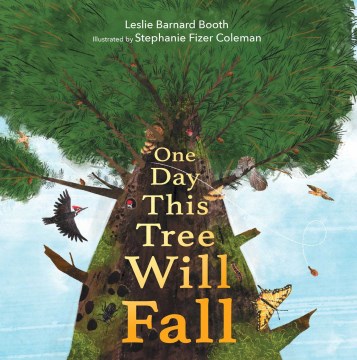
written by Leslie Barnard Booth and illustrated by Stephanie Fizer Coleman
I LOVE THIS BOOK! I don’t usually start a book review this way. But, extraordinary books deserve to be acknowledged at the very beginning.The story opens with an old snag of a tree, ready to die as the end is near. But, is it? That is the premise for the this absolutely stunning picture book about the life cycle of trees; in this case, a Douglas fir in the Pacific Northwest. After we are introduced to the old tree, we go back to the beginning when it was a mere seed. settling into the perfect spot to grow and thrive. It is lucky, because we see that many other seeds end up in the wrong place or are eaten and don’t get a chance to grow. This particular seed sprouts and grows despite all the obstacles it faces – wind, ice, drought, and fire to name a few. It survives despite being clawed, clipped and nibbled while others were cut by humans. This tree becomes home to many other flora and fauna that thrive. The tree eventually dies and falls to the ground to be home to others as a log. Finally, it decays (with a little help from insects, bacteria and fungi) and adds to the nutrients of the forest floor, creating the perfect environment for the next tiny seed to grow. And, the cycle continues…
I can’t say enough about this beautiful book. The text is lyrical and conveys the essence of the long life of a Douglas fir. The font and spacing are perfect for a read aloud, allowing the reader to easily share with a group. The accompanying illustrations are perfect. They bring even more life to the story with the animals, flora and changes of the forest.
Back matter includes a thorough explanation of the life cycle of a tree, the connection between trees and people, a glossary and a list of the sources used. The author acknowledges many others in the writing of the book, including scientists, educators, scholars and Tribal representatives.
Run out and buy this book right now! You will be glad that you did.
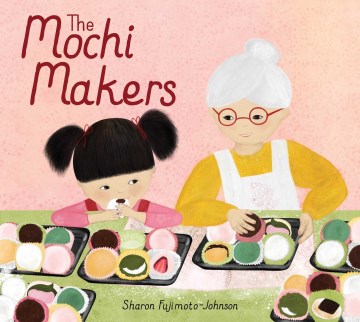
Emi and her grandma (Obaachan) spend time together making a family recipe of mochi. As they work, Obaachan shares the history of the recipe back to her own grandmother. Obaachan brought that recipe with her to America, along with her wedding kimono and some cherished red lacquer dishes. The two also reminisce about Ojiichan (grandpa), who the reader assumes is deceased. They finish the mochi, package some together to gift to family and friends, and then enjoy their mochi – some wrapped in seaweed and dipped in soy sauce just like Ojiichan like to eat it. In this story, mochi is love, family tradition and a thank you.
The soft colors of the mochi and surroundings add to the gentle approach of this book. The love between Emi and Obaachan is evident in the text and the illustrations. This small window into their time together is sweet and filled with memories and promise. The additional back matter – author’s autobiographical note, mochi history and family mochi recipe adds to the richness of this book. Words and illustrations make you feel like you can almost taste the mochi along with Emi and Obaachan. Purchase this one – it’s wonderful!
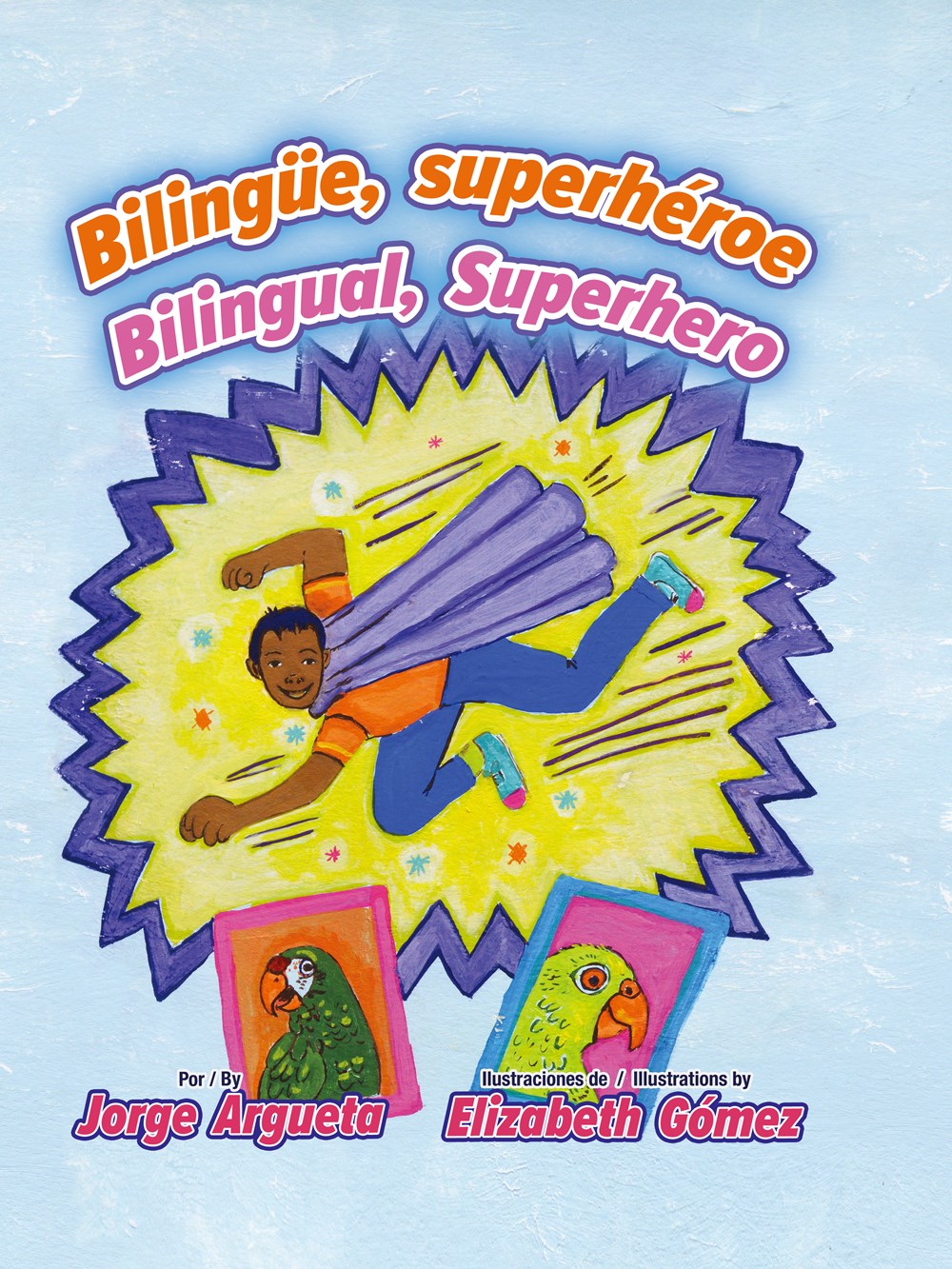
written by Jorge Argument and illustrated by Elizabeth Gómez
Gerónimo Pérez, aka “Bilingual”, embraces his effortless ability to switch back and forth between English and Spanish. He says “…I can change from English to Spanish, easy as pie, so smooth, so cool, so beautiful, suuuuper sweet.” This is his superpower and he uses it for good, as a superhero should. When his grandma or mother need help with translation of a doctor’s instructions or the bus driver’s announcement of a route, Bilingual is there to help. At school, this superhero acts as the intermediary between his English speaking teacher and Spanish speaking classmates, which helps everyone immensely. He is happy with his ability to speak, sing and dream in both languages. What a wonderful superpower to have!
Gerónimo, like many children of non-English speakers, is often called upon to translate for the adults around him. This is such a valuable ability and one that should be celebrated. Students like Gerónimo are often summoned and are willing to translate for their classmates and teachers, which is so appreciated (I speak from experience). This book celebrates this gift and superpower in a way that shows Gerónimo’s intuitive use of both languages at times when it is most needed. His pride in his “bilingual-ness” is well-deserved and all students with this ability should see this book and recognize those unique gifts.
Text is written in both English and Spanish with accompanying illustrations, vibrantly painted and filling the pages with exhilaration, while conveying the impact of the words. The parrots in each illustration appear to denote the English and Spanish parts of Gerónimo in a playful way and seem to remind us that they are part of his daily life. The text is accessible and lyrical. Younger readers will enjoy the story, which would be a great read-aloud or partner read for those students that don’t read both languages.
This book is a wonderful ode to bilingual speakers, especially children, and should be shared with kids whether they can speak two languages or not. To see this superpower exhibited in a story will empower bilingual speakers and give monolingual readers a peek into their lives. It’s a lovely book.
“Let’s Get Outdoors” is a ten book series that is written in a format that is appropriate for young readers that are ready for a bit more complexity in sentence structure. Typical nonfiction features include: table of contents, index, glossary, labeled diagrams and illustration, headings and bold typed words. Each book has high interest photos and details an outdoor activity/sport. Gear lists and safety equipment/protocol are addressed. A diverse array of people are shown participating in each activity. Readers will see themselves out there having fun with theses book. Add this series to your library for those newer readers that are ready for something more.
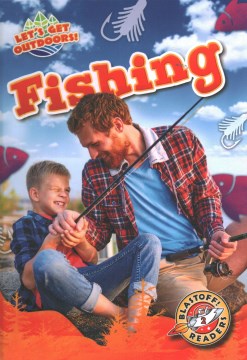
Fishing shares information about an activity that is varied and exciting. Different types of fishing are described as well as equipment and safety needs. Catch and release as well as keeping the fish to eat are mentioned and photos show diverse people and places to fish from, including creekside, boats and ice fishing. This book will interest newer readers that want to learn about this outdoor activity.
Blastoff! Readers Level 2: Let’s Get Outdoors is a ten book series that is written in a format that is appropriate for young readers that are ready for a bit more complexity in sentence structure. Typical nonfiction features include: table of contents, index, glossary, labeled diagrams and illustration, headings and bold typed words. Each book has high interest photos and details an outdoor activity/sport. Gear lists and safety equipment/protocol are addressed. A diverse array of people are shown participating in each activity. Readers will see themselves out there having fun with theses book. Add this series to your library for those newer readers that are ready for something more.
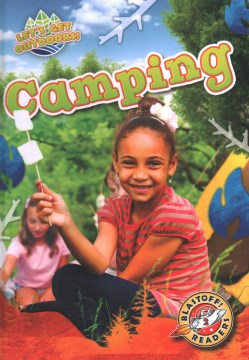
Camping shares the many parts of the camping experience from campfires to extra activities that go along with being outdoors. Readers learn about gear and safety needs as well as the different types of outdoor living experiences from tents to trailers. Diverse campers including those with disabilities show the reader that this is accessible to many people. Bright photographs and engaging text make this book a great choice for younger readers.
Blastoff! Readers Level 2: Let’s Get Outdoors is a ten book series that is written in a format that is appropriate for young readers that are ready for a bit more complexity in sentence structure. Typical nonfiction features include: table of contents, index, glossary, labeled diagrams and illustration, headings and bold typed words. Each book has high interest photos and details an outdoor activity/sport. Gear lists and safety equipment/protocol are addressed. A diverse array of people are shown participating in each activity. Readers will see themselves out there having fun with theses book. Add this series to your library for those newer readers that are ready for something more.
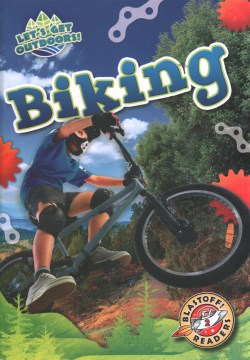
Biking is a great introduction to an activity that can a slower- paced or fast and adrenaline rushing. People are shown biking along trails, the roads and doing tricks or racing. I like that there is a photo of an adaptive bike rider, showing that it is an accessible outdoor activity. Safety and gear needs are noted and the reader learns that most bike friendly city in the world is Copenhagen – a fun fact to round out a nice introduction to this outdoor sport.