Farmers

Farmers, part of the Community Helpers series, informs students about the work of farmers, including text boxes labeled “Farmer gear” and “farmer skills”. Sentences are short and highlighted words are identified in the glossary. There are numerous color photos showing farmers that are a mixture of gender, ethnicity and ages. Farmers are working with their hands and using equipment.

This is a nice introduction to farmers and farming. The photos of the many types of people that farm is realistic and timely. There is one part of the book that will need some discussion. It describes where farms are located – in the countryside (obviously), but also in cities and towns. Hmmmm….young students will wonder what that means, given the rural nature of the photographs included. This will be a good discussion point for classes – what defines a farm? Can we all be farmers?

Add this book to your collection for those grades that study community helpers. This series includes fourteen different community helper profiles. If this book and the cover art of the others are indicative of the helpers highlighted (age, race, gender), then this is a series that will resonate with most children, who will see themselves (no matter who they are) in those roles.
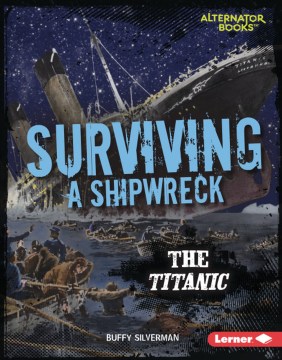
Surviving a Shipwreck: the Titanic

Surviving a Shipwreck: the Titanic is a narrative nonfiction following the timeline of the sinking of the Titanic, from its launch and sinking in 1912 to its discovery in 1985. The book begins with a hook on the first page – a single paragraph detailing the moments after the ship struck the iceberg. Text is interspersed with historical captioned photos to move the reader through the maiden voyage and sinking as well as the rescue and eventual changes in law (United States and Great Britain) concerning safety measures so that this type of disaster would never occur again.

Typical nonfiction features – table of contents, index, glossary, source notes and so forth are present in this book. An interesting diagram of the sinking itself, from hitting the iceberg to the ship breaking in half and sinking in two pieces is included. Another interesting addition is the short biography of Margaret Brown, who tirelessly aided her fellow passengers as they loaded lifeboats, went on board the Carpathia and later when they got to New York. One last page of note is the guide to surviving disasters with steps to take to keep safe in the unlikely event of a ship sinking.

Pair this book with some of the newer fictional stories about the Titanic to give students more history about the event. Surviving a Shipwreck: the Titanic will be a riveting read for your upper elementary readers and a nice addition to the nonfiction about the event.

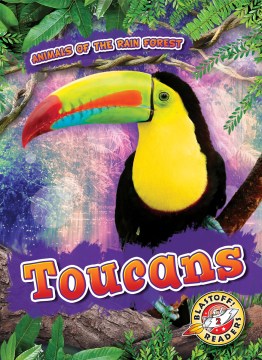
Toucans

Toucans is a colorful informational book about a bird that most students will not see outside of a zoo. Short sentences with labeled photos are accessible to the beginning readers. Maps, labeled diagram, glossary and index pack a lot of information into a slim volume and the internet links for further reading add more for the inquisitive student.

This book is part fo the Animals of the Rain Forest series. Look at this series if your younger students are studying biomes, environmental science or just want to read about these cool birds!

Dactyl Hill Squad, Book # 1 by Daniel Jose Older

The Civil War is waging in the south, in 1863, but this is New York City. Here is a story told from a person of color’s perspective. Here “some of the people, places, and events are based on real historical facts, some are inspired by real historical facts, and some are just totally made up.” (242) The biggest ‘made up‘ piece is the domesticated dinosaurs, used in place of horses, carrier pigeons, and airplanes. The Colored Orphan Asylum, Vigilance Committee, and “Richard Riker was a real-life magistrate in the New York City courts, and he did indeed run an organization called the Kidnapping Club that captured black New Yorkers and sent them into slavery…” (244) make this an eye opener for this reader.

New York men are now being drafted to fight in the Civil War. Richard Riker and his followers use this as a excuse to set an area in New York City were blacks live ablaze. Riots ensue. The Colored Orphan Asylum is burnt. Riker captures the orphans and plans to ship them down south into slavery. A few orphans were at the Zanzibar Theater watching an all-black Shakespearean company when the theater caught fire. These orphans escape with the help of the two black actors. They escape the fire and the riots. The stage is now set for the thrilling story of the fiery orphan Magdalys’ rise to a leadership role in recovering the captured orphans from Riker.

Slowly Magdalys realizes she can communicate with dinosaurs and get them to follow her instructions. Magdalys’ knew ability helps when the orphans need to ride a sauropod ferry across the river to Brooklyn. It helps when she flies on the back of a dactyl to Manhattan (dactyls are not dinosaurs- a character informs) and when triceratopses are needed in the final battle charge to release the orphans.

The dinosaurs do not detract from the historical events and issues of this period in time. This is a fun ride, so get ready to fly into the action.

Power Play by Beth McMullen

Book #2 in the Mrs. Smith’s Spy School for Girls series takes off a year after the first book. Abby is now in her second year at The Smith School for Children, a private boarding school. It is also a “training facility for the Center, a government organization that uses kids to ferret out information no one else has any hope of acquiring. The theory is that kids are invisible…and therefore make really good spies.”(8) A few things have changed. The first and foremost for Abby being the interim Headmaster is her own mother. A new Headmaster means changes will be made. One change is the rule dealing with no playing of the video game Monster Mayhem. (Monster Mayhem is very much like Pokemon Go.) So, of course, Abby is playing it on the sly.

At this day’s Morning Meeting, the guest speaker in Toby’s father -Drexel Cain, the inventor of Monster Mayhem. At the end of the meeting, a smokey explosion has the entire school evacuating the auditorium. A short time later, Toby is sent a ransom note, via text message, for his father. Toby must play and win the latest version of Monster Mayhem, which has not been made available to the public yet, to get his father back. As always, Toby is not to tell anyone about the kidnapping. And as always, people, especially Abby, find out and try to help.

Off the reader goes to see if the kidnapper will be caught by extremely smart, extremely rich, extremely well-connected middle-school students who are secretly training to be spies while figuring out clues to the video game Monster Mayhem which takes them around the world. Yes, they are scared at times, but Abby’s mother used to say,”that being afraid was good because fear let you know when you should be alert and aware. She said it was the body’s way of turning on all the lights and getting ready.” (249)

So get ready readers, the Power Play is is about to begin!

Typo on page 198, paragraph 9, “It” should be ‘If’.

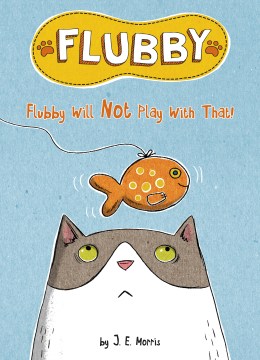
Flubby Will NOT Play with That

Flubby is a typical cat and Kami discovers that fact when she brings home an assortment of cat toys from the pet store. She introduces each toy to Flubby with cat-like results…no interest on Flubby’s part. She tries a singing toy, rolling toy, swinging toy and a surprise toy. But, Flubby is just not interested. Kami gives up and walks away and then Flubby discovers the best toy of all – the paper bag from the pet store. What a fantastic toy for a cat!

Drawings are cartoon-like and text is simple. Occasionally, there are two to three panels on a page, giving the ‘feel’ of a graphic novel. Pet- loving young readers will enjoy this short, easy book about a girl and her cat and they can look forward to more, because there is another Flubby book cover shown on the back.

Chris Pratt

This slim, yet informative biography details the life and career of movie star, Chris Pratt. We learn that he was born in Minnesota and grew up in WA State, dropped out of college his freshman year and lived in his van, working at restaurants until his movie career took off. From there, we learn about his movie and television career and his legacy in public service, specifically his volunteerism with terminally ill children.

One of Abdo Zoom’s Star Biography series, it has all the typical nonfiction features – table of contents, index, glossary, further internet information and a nice mixture of color photographs and short paragraphs (unfamiliar words in red). The text is fairly simple, and the content is engaging for the older elementary/middle school reader. So, this is a good purchase for struggling readers as well as other fans. While I typically don’t buy many ‘trendy’ biographies, I would pick this one up for its local connection, since he grew up in the Lake Stevens area and the fact that he appears to be continuing his rise in fame.

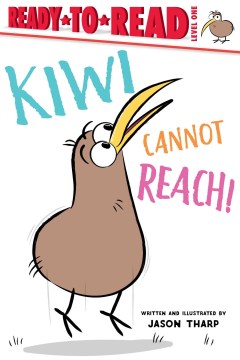
Kiwi Cannot Reach!

Kiwi has a problem – he wants to pull the rope and he cannot reach it! Will the reader help? This interactive beginning reader is written with cartoon-like illustrations and word bubbles. The sentences are short and the words are accessible, while still moving the story along. Readers who enjoy Elephant & Piggie will giggle along with this fun story about an engaging, but helpless, little kiwi.

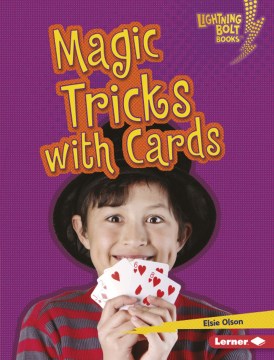
Magic Tricks with Cards

Magic Tricks with Cards explains a variety of card tricks that range from “not so tricky” to “terrifically tricky” with step-by-step instructions and diagrams throughout. Budding magicians will enjoy the playing card trivia and magician biography near the end of the book as well as the internet links for further study.

Typical nonfiction features, such as table of contents, glossary and index are included. This well-organized book will keep young magicians busy as they learn and practice some fun magic. Take a look at the other titles in the series, which includes disappearing acts, optical illusions and magic with props. These books won’t be on the shelves for long!

Crab Cake

Crab Cake, written by the author of Accident! starts out innocently enough. The sea creatures are doing what sea creatures normally do – “Seahorse pretends to be seaweed” and “Puffer fish puffs up” and “Crab bakes cakes’ – what?? Yes, crab is a different sort of sea creature and bakes lovely cakes. This comes in handy when disaster strikes their lovely undersea world. A boat comes by and dumps a huge amount of trash into their home. Everything turns dark and they all freeze! Then, crab does what crab does best – he bakes a cake. The other sea creatures come out of hiding and begin to relax, brainstorming ideas as they eat his yummy creation. They are united in their resolve and each works with the others to clean up the terrible mess. They deposit the pile of garbage on the dock with a sign that reads “Come get your junk!’. And, life turns back to normal. The sea is clean and bright, the animals are doing what they do and crab is baking cakes (with some help from his friends!).

This story is so multifaceted in its message! While it is a lovely little narrative about a crab that doesn’t act like his fellow sea creatures, it is also a powerful reminder that individuals can come together to solve a big problem and highlights that individuals can all contribute in some way to the solution. In this case, “Snapper shoves”, “Clownfish rolls”, “Clam encourages” and all the other sea creatures help in their own ways to clean up their home and send a message to the humans above. This book is also a reminder that we shouldn’t stand by and let the others destroy the earth. All of this begins with a crab that bakes!

The last page has some great links to a variety of ocean environmental websites that are appropriate for kids. Read this book during Earth Day or any day that you are empowering your students to work together to benefit the world!