
Reviewed by Shiloh G 12th grade: When I first started the book I felt very confused but as I read more everything started to make more sense. Talon Goldhorn always bravely led his elite troops however his brother’s rule was threatening to undo 100 years of work. So other factions turned to Talon to dethrone his brother. The way that the plot develops makes me want to keep turning pages so I can figure out everything that is happening. My favorite part about the book is how the very beginning gives so much information and yet we don’t know anything. One thing I did not like about the book is that the book progresses quite slowly
If You’ll Have Me
Reviewed by Cierra 12th grade – This was one of the cutest graphic novels I’ve ever read. From the art style to the plot, to the characters, I’m obsessed. Momo is a selfless, naive, and caring friend. She has little to no experience in the dating world. PG on the other hand is the opposite. Labeled as someone who likes to “get around,” and is a player, she’s quite the lone wolf. Despite her reputation, under that hard exterior, she falls in love just as easily as anyone else. Their two worlds collide unexpectedly and a romance begins to brew. With PG’s reputation, things get a little tricky.The romance in this novel is sweet like a peach. Two people who know little about love, but crave it so much make this graphic novel such a nice read. The LGBTQIA+ aspect of it makes it feel relatable as well. The character design is just beautiful. I love Momo’s character, she’s so cute and gorgeous.It didn’t feel rushed. Typically, when you read a graphic novel you get through them fast because there are little words on each page. Sometimes that can cause the book to feel rushed. However, the pacing was perfect. It felt like I was watching a movie in my mind. I also found myself relating to Momo, as a black girl with little dating experience myself. I found myself getting jealous and wanting a romance like this. I also enjoyed the intended funny bits as well. I rarely LOL at a book, but I caught myself gasping and giggling a couple of times. There’s little that I dislike about it. I don’t like PG’s character design for one. It just looks off on some pages, I can’t exactly put my finger on why. The flashbacks were kind of hard to decipher at times. There were moments where it took me a couple of seconds to realize “Oh wait, this isn’t present.” There was one flashback where I got confused if it was PG or PG’s brother, but that may just be me being slow. This romance is a cliche, and it’s really hard to make a cliche entertaining. Despite all that, I think they did a relatively good job and I’d read it again or recommend it to a friend.
Hopeless in Hope
Reviewed by Sarah 12th grade – This humorous and sad story will keep you engaged and relating to the main characters. Eva is the main character in this book and she is 14 years old. Her life is lonely and sad, and she then deals with foster homes and poverty. She relies on her Nohkum to take care of her and of her little brother Marcus. Eva’s mom struggles with alcoholism and shares the story of the reality of her addiction. The plot of this story makes this novel a heartbreaking and humorous story. I liked that this book was a very fast read and that it shares how someone who is in poverty and struggling with housing, how their life really is. There are a few instances in this book where it may be hard for younger students to read this book due to the talk about depression and anxiety. Personally, I think that this book does a good job of sharing the realities of it in a non-glorifying way.
Forgive Me Not
Reviewed by Aliah 12th grade – All readers will find this captivating and moving journey which masterfully examines human emotions and the capacity for forgiveness to be a winning one. In the book Forgive Me Not, Violetta Chen-Samuel, a fifteen-year-old, is imprisoned for driving under the influence, which resulted in the death of her younger sister. A young adult book with hints of dystopia, Forgive Me Not highlights the issues with racism, classism, misogyny, and other issues that plague both our adult and juvenile justice systems. The two points of view are Violetta and Vince. The plot is AMAZING!
Trigger warnings: death of a child, incarceration, substance use, suicide attempt, grief, sexual assault.
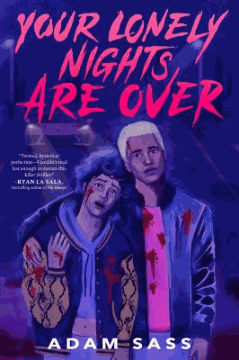
Your Lonely Nights are Over
Reviewed by David 12th grade – It isn’t your stereotypical LGBTQIA+ Book. This book is about two gay Best friends on the run from a famous killer but also accused of being a killer. It is a realistic fiction book that is mainly featuring queer representation, but the book itself doesn’t focus on the main struggles of it, It mentions some of the struggles of being queer but also being discriminated by color. I love how they represented the idea of friendships in the queer community and how they can be very different. It also shines some light on being a gay person of color and the difference between the reactions people get. I love it honestly. Trigger Warnings: At the start, it discusses that there will be some graphic scenes. Not too bad but still more so than a typical book.
Silverwing
Silverwing: The Graphic Novel Adaptation, based on the first novel in Kenneth Oppel’s beloved trilogy, brings the adventurous tale of the young, heroic bat Shade to life with vivid illustrations. I was excited to add this adaptation to our collection, anticipating it would capture the interest and imaginations of our students. While the artwork is indeed captivating and adds a new dimension to the story, I’ve noticed that some students find it challenging to follow the narrative in this graphic format.
The primary issue seems to be the pacing and transition between scenes. The graphic novel format, with its reliance on visual storytelling and condensed text, makes it difficult for some readers to grasp the full depth of the plot and character development- or to even identify characters in some scenes. Key moments that are more fleshed out in the original novel can feel rushed or unclear in this adaptation. Despite these challenges, I believe Silverwing: The Graphic Novel can still be a quality resource for visual learners and a great way to introduce Kenneth Oppel’s world to new fantasy readers.
Looking Up by Stephen Pastis
Looking Up by Stephen Pastis- R
Looking Up by Stephen Pastis is a delightful addition to our library, perfect for middle-grade readers. I appreciate how Pastis seamlessly blends humor with deeper themes, making the story both laughter-provoking and thought-provoking for young readers. The protagonist, Saint, is a wonderfully relatable and quirky character who deals with complex emotions in a way that is accessible for children.
This book is not only a joy to read but also a valuable tool for teaching empathy and understanding. Pastis’ background in comics shines through in the witty dialogue and fast-paced storytelling, keeping students entertained and engaged while subtly addressing important life lessons. The community setting and the characters’ quest to save their town emphasizes the importance of togetherness and perseverance. Looking Up is a recommended addition to our shelves, offering both laughter and meaningful insights for our young readers.
Too Cute! Baby Skunks by Elizabeth Neuenfeldt
Baby skunks are called kits and they live in a den. This nonfiction series is adorable. While the information is very simple, it is great for beginning readers. The print is large and there are 1-2 simple sentences on the page. Key words are in bold and photographs with a label is included on the page to illustrate what the word means.The back includes the stages of life of a skunk, a picture glossary, an index and a website for more information.
Too Cute! Baby Turtles by Elizabeth Neuenfeldt
Baby turtles hatch from eggs. When they leave the nest, they do not go back. This nonfiction series is adorable. While the information is very simple, it is great for beginning readers. The print is large and there are 1-2 simple sentences on the page. Key words are in bold and photographs with a label is included on the page to illustrate what the word means.The back includes the stages of life of a turtle, a picture glossary, an index and a website for more information.
Too Cute! Baby Seals by Elizabeth Neuenfeldt
Baby seals live in colonies. As they get older, they spend more time alone. This nonfiction series is adorable. While the information is very simple, it is great for beginning readers. The print is large and there are 1-2 simple sentences on the page. Key words are in bold and photographs with a label is included on the page to illustrate what the word means.The back includes the stages of life of a seal, a picture glossary, an index and a website for more information.