
A celebration of the women who help support and the young girl in the story. Aunties do not need to be related to you, but are the people in your life that you can turn to for advice, adventure and support. The illustrations are bright and colorful depicting a wide variety of aunties. The author’s note at the end tells about her Fierce Aunties.
Elvis & Romeo by David Soman and Jacky Davis
A story of an unlikely pair becoming friends. Elvis and Romeo are two dogs on their way separately to the dog park. Romeo is very excited while Elvis is reluctant. Romeo is excited to run and play. Elvis wants peace and quiet. Romeo decides he is going to make friends with Elvis. Eventually Elvis and Romeo bond over sandwiches. The illustrations in the book show the movement and emotions of the dog and add to the story.
Maybe Just Ask Me! by Katie Mazeika
On Mazie’s first day at her new school, she put on her favorite scarf and prettiest eye patch. She was nervous but ready. The other students whispered stories about her. Maybe she was in the circus. Maybe she joined pirates. Maybe she lost her hair being scared by a shark or a tiger. Finally she has had enough. She tells them that they just needed to ask and she tells the story of what really happened. The illustrations of the book are bright and colorful. Mazie’s emotions show on her face.
The book is based on the author’s real life experience of having cancer and 3 and having her eye removed. She talks about why people may be afraid to ask and just look away, but to her this feels ruder and makes her feel invisible.
Gecko Girl/Lagartijita by Daniel Chacon
A young girl falls asleep while her father tells her a story and dreams that she wakes up as a gecko. She sets off to find out what she is. The cat says she’s a toy, the dog says food, the spider says danger. Eventually the girl wakes up to realize that she is still a child.
The book is bilingual with the text on top in English and the text at the bottom of the page in Spanish. One side of a two page spread is text and the other is the illustrations which fill the page.
The Kite Collector
By Zoey Abbott
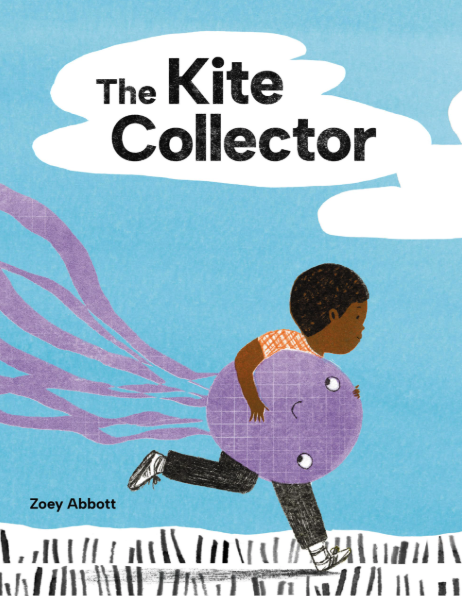
A young boy builds on his relationship with his baby sister when she starts messing with his new kite. After he gets really angry with her and makes her cry, he feels bad and knows that he needs to repair their relationship. He has many kites and enjoys collecting them (as the title implies) but never really flies them and so he goes out and gets her one and they fly it together.
This is a nice story that emphasizes the patience an older sibling needs to have with the younger ones. I would recommend this book as an extra purchase, especially if your library needs more tales about family dynamics/relationships.
Me & Lavender
Written by Melody C. Peugh, Illustrated by Eve Farb
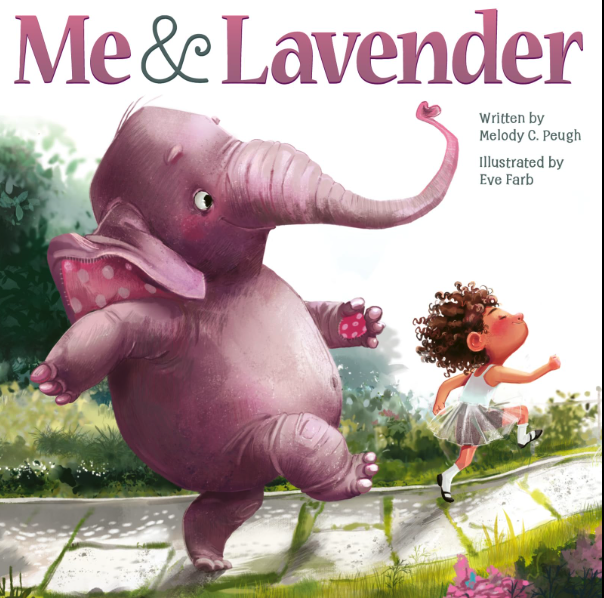
Lavender is a wonderful friend who always want to go on an adventure! When a girl awakes and realizes she must stay clean and tidy for an event that her mom has planned it is difficult to say no to her buddy. As the day goes on, things go a little sideways but Lavender is always there. In the end, she is found a muddy mess by her Mom who successfully gets her into a bubble bath and Lavender into the washing machine just in time.
A wonderful story with bright colors about a girl, her stuffie, and her sense of adventure. I would recommend this book to purchase if you have extra money.
Let’s Monster Up!
By Cyndi Marko
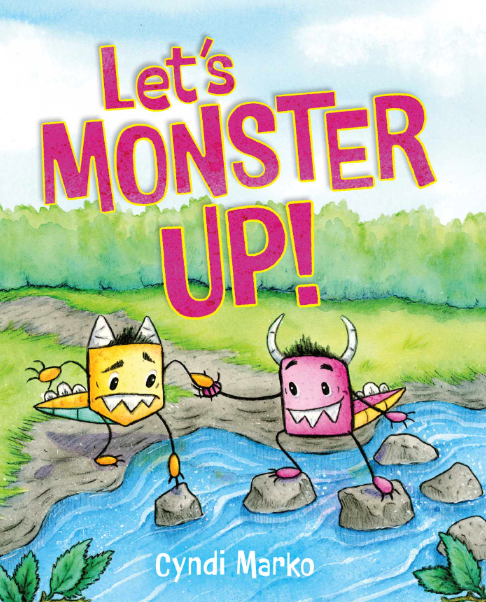
This adorable book is a tale about monster friends who support each other. Seth is afraid of everything but when his friend Ruthie finds that her turtle is missing, Seth has to “monster up” and face many fears to help his friend.
With bright graphics and a simple story, Let’s Monster Up! will be a wonderful book to encourage readers to face their fears, achieve their dreams and support others. I recommend this book for young readers.
Shell Song: Based on a True Family Story
By Sharon Fujimoto-Johnson
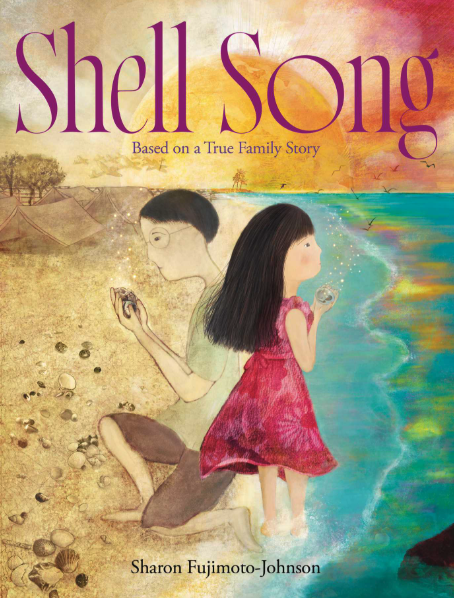
Shell Song is a wonderful reflection upon a family’s story that occured at the beginning of WWII when Pearl Harbor was attacked by the Japanese. Told from the viewpoint of a granddaughter this is a tale that discusses a love of two countries as well as internment. Shigeki Fujimoto survived the Sand Island and Honouliuli Internment Camps where prisoners were subjected to extreme weather and living in tents. He collected shells and saved them. This collection is now a family heirloom.
This book is insightful as well as nicely illustrated. Many ages could read it and enjoy it at many levels. I would highly recommend this book and feel deep discussions could be created.
I am NOT Your Hat!
By Lisa Bentley
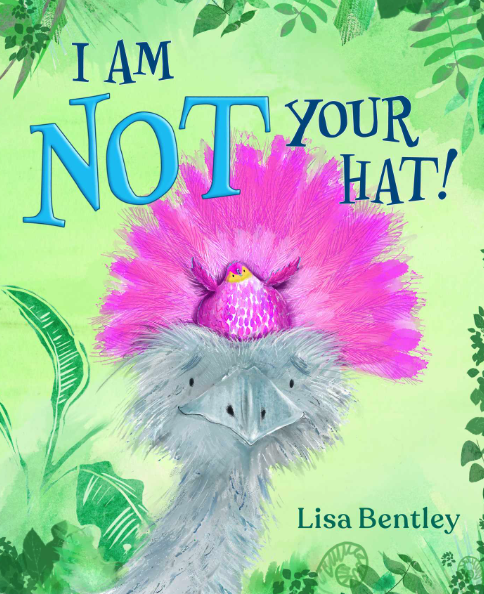
This is a story about friendship and how it is not always as it seems. An outgoing bird has a shy friend, Dot, who sits on their head. No one seems to notice this pink character that is hiding something for Bert. They think Dot is a hat. At first, Dot doesn’t mind as they don’t necessarily want to be noticed but eventually, they get frustrated exclaim that they are not a hat and fly away only to leave Bert’s secret out in the open for all to see.
This is a fun story about friendship and how being shy or outgoing is okay. It also a tale of forgiveness and saying sorry. I would strongly recommend this quirky yet insightful tale for young readers.
Kindness Rocks
Written by Megan Murphy, Illustrated by JiaJia Hamner
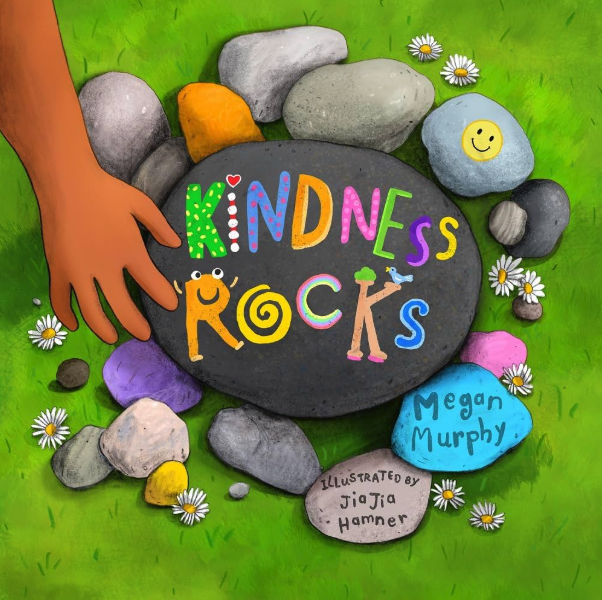
A young boy is having a hard day and as he took a walk he found a rock that was painted and said It’s okay. And, as many of us assume, he creates his own rock for someone else to find and the chain reaction continues.
This is a very colorfully illustrated book that would be wonderful for a collaboration with any art teacher and students. It has a great kindness message and gives kids a way that they can encourage others, spread warm thoughts and be artistic. In the back there are instructions on painting rocks and how to choose the best rock and paint for success. I would recommend this title for any library.