Kids who have even a slight interest in elephants will enjoy this informative book. The first couple of chapters explain the differences between elephants in Africa and Asia, with photos and cartoon illustrations. The book also explains the special characteristics of elephants – did you know that their trunks have 40,016 muscles and can smell water up to 12 miles away?
Next, the book emphasizes how special elephants are – how they can remember things for many years, how attached they are to their family groups, etc.
At the end, readers are asked a few questions, to help them assimilate what they’ve read.
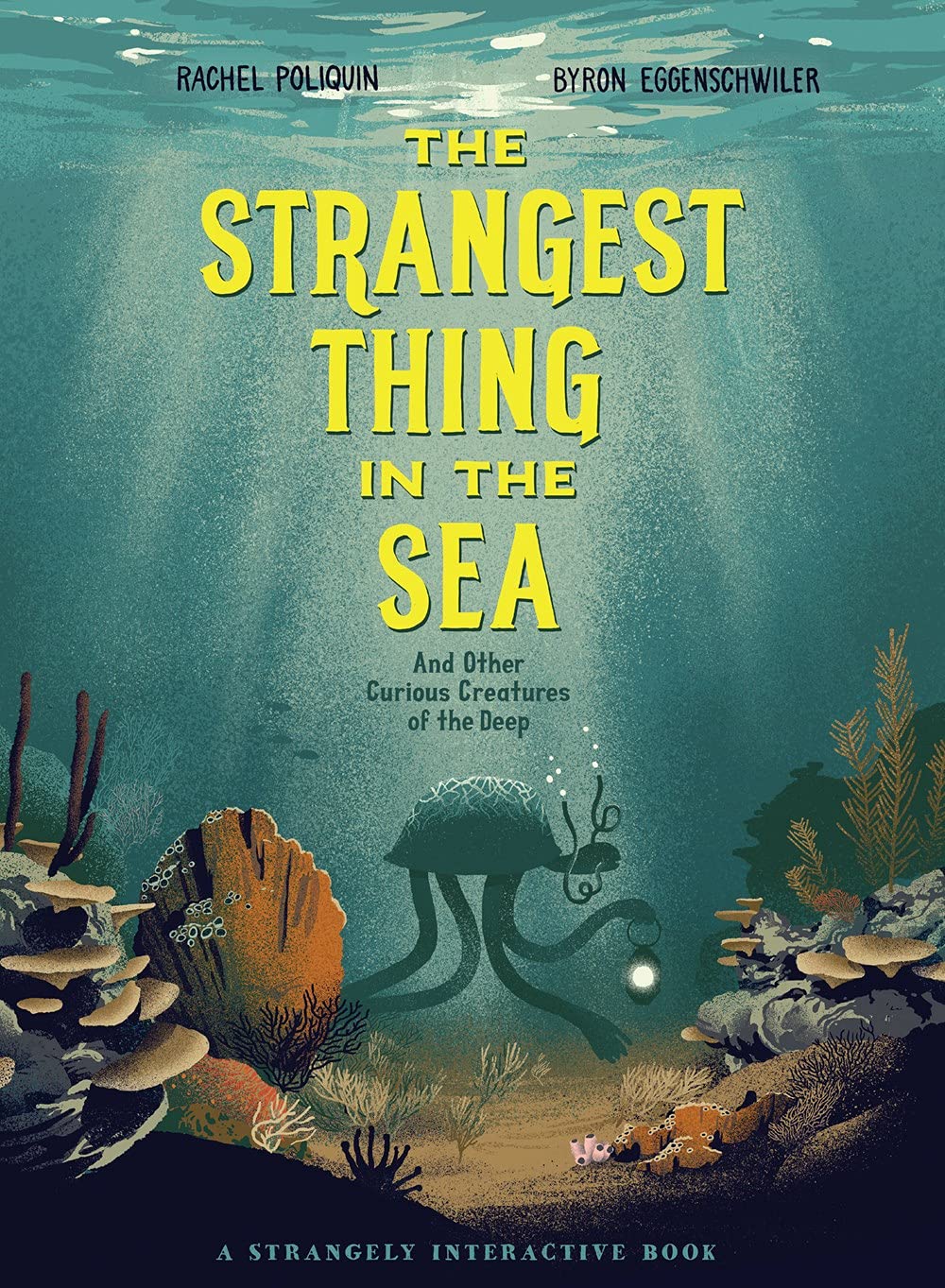
The illustrations in this book are enchanting. Each set of 4 pages describes a different denizen of the deep, with an overlay page that imagines the creature as something out of a fairy tale. When you lift the flap, you see what the creature actually looks like.
The author provides some fun facts about each sea creature, as well as the basics (size, prey, habitat, and the sea depth at which they live).
The suspense builds: each creature in turn says, “… But I’m not the strangest thing in the sea!”
You might be surprised when you find out what “the strangest thing in the sea” really is!
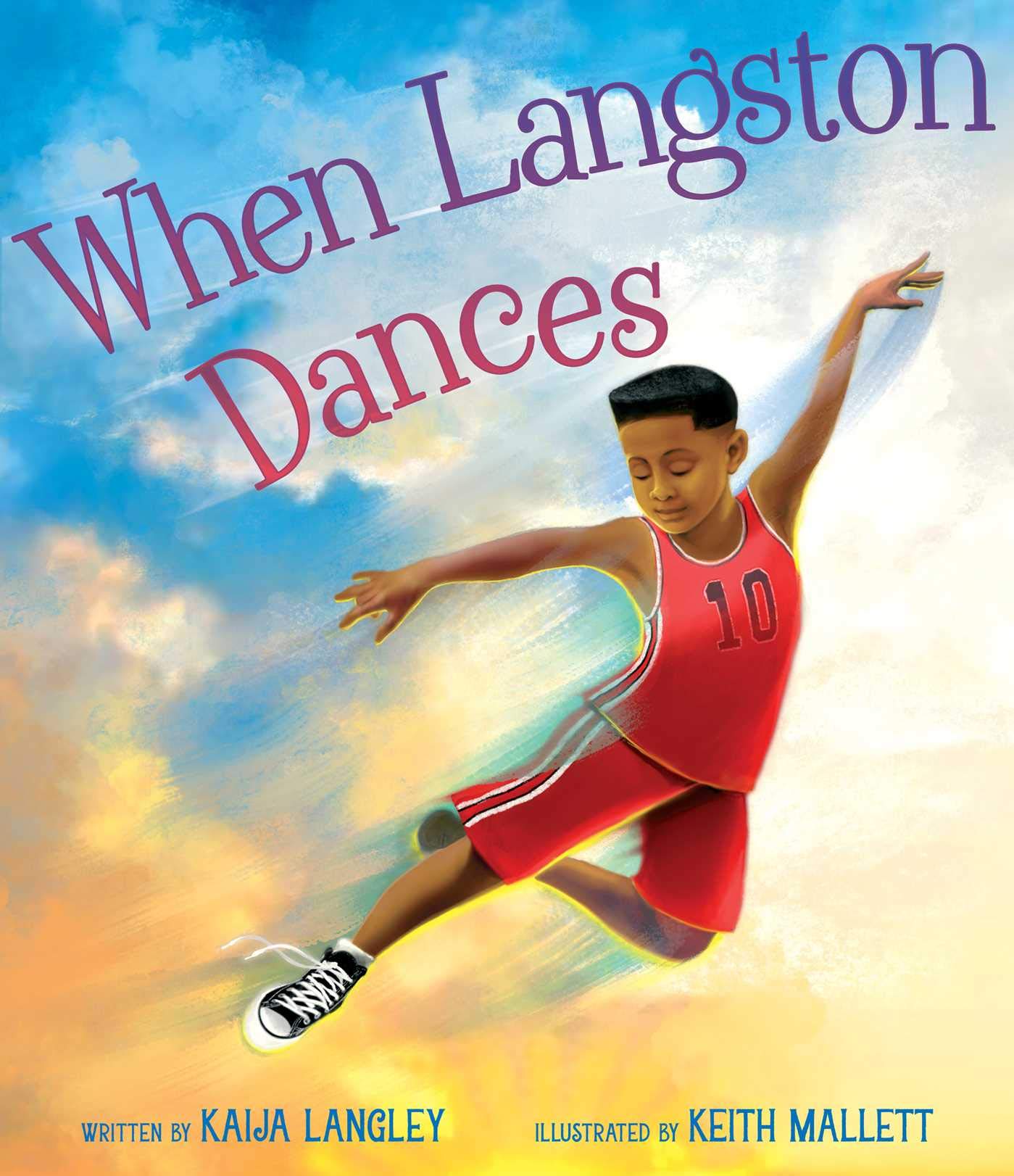
The picture book When Langston Dances by Kaija Langley is a celebration of movement and color with Keith Mallett’s illustrations seeming to come alive with every page turn. Langston is a young black boy who liked basketball, but fell in love with ballet when his mom took him to see the Alvin Ailey Dance Company. As we watch him leap, dip, kick, and spin on his way to his first dance lesson, his joy is contagious. Mallett is a master of making each person a distinct individual with all different skin tones, head shapes, hair, and even age lines. On his way to ballet class Langston notices other classes for tap, hip-hop, and African dance. Each one is populated with diverse students.
This book will make you want to start dancing right off the couch. Highly recommended.
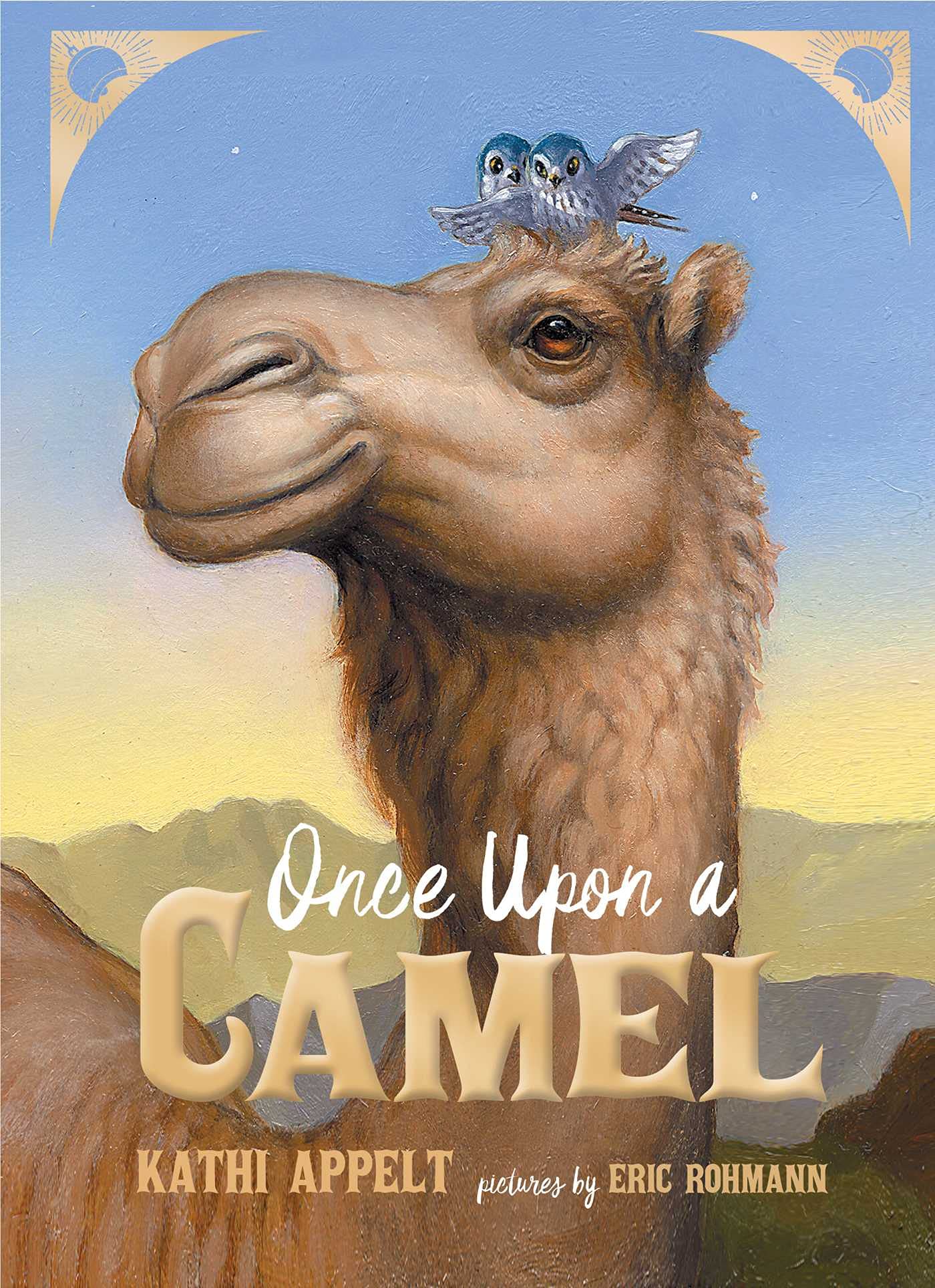
A camel with a penchant for alliteration? A worried mother Kestrel falcon trapped inside a tangled tumbleweed? Two baby Kestrels escaping a gigantic dust storm riding on the head of said camel? You will encounter all of these, plus engaging historic fiction in Kathi Appelt’s Once Upon a Camel. The reader is drawn in by the idea of a camel named Zada living in the desert of Texas. The chicks must ride to safety as they are not old enough to fly. Their parents have been blown away by the storm, so they are understandably anxious. Zada provides distraction by telling them her life story. The novel goes back and forth between Zada’s stories and surviving the haboob.
Through Zada’s stories the reader gains a peek into the Middle East of the 19th century: the world of camel racing, the great wealth and power of the Pasha, the elaborate palaces. As the setting will be new for most children, there will be the excitement of discovery. It will help readers on the important journey of gaining perspectives outside of their own and building empathy. Appelt’s work gives young readers access without bogging them down with too much historical information, because we learn through the eyes of a camel.
Each character is well developed. She always adds a dash of humor. The squabbling baby birds ring true for anyone who has a sibling. Take my word that Zada’s concern about her diminishing physical capabilities as she ages is also right on the mark as I found myself nodding and smiling. Mother Kestrel Perlita’s tendency to get over excited and bossy, especially when it comes to her babies, is humorous and heartwarming. The disdain the camels have for the vain, delicate horses and their certainty of the need and satisfaction of spitting made me laugh.
The way the death of a loved one is depicted is both sad and beautiful. Her conclusion is surprising and unpredictable, but ultimately very satisfying. Keep the tissues handy. This title is highly recommended for upper elementary readers.
This book highlights the challenge of pulling children’s eyes off of screens long enough to recognise and act on the crisis of plastic pollution in the oceans. Neo doesn’t want to stop playing his game long enough to clean up his room let alone the ocean which is steps from his front door. It takes visits from three different sea creatures begging for help and a trip underwater himself for him to appreciate the problem. Once motivated, Neo works with the ocean creatures to help clean up. The story wraps up with a call to action to use less plastic.
The strongest part of the book is the illustrations depicting the effects of plastic on ocean dwellers. Instead of depicting the ocean with waves, Ayto represents it as row upon row of plastic bottles.There is a jellyfish floating inside a plastic bag and a humpback whale ingesting over a hundred bottles unintentionally.
I found the earth-bot premise distracting. It seems that Neo wears a glass helmet with antennae because of his connection to his video game. But Grandpa, a former astronaut, wears something similar for no discernable reason. It would have made sense that once Neo was pulled away from the video game, the helmet would also have gone away to demonstrate his new focus. There was a missed opportunity to provide more background information on ocean pollution. Overall this book would be a good introduction for young children when paired with other titles. Join the No-Plastic Challenge! A First Book of Reducing Waste by Scot Richie provides doable suggestions for kids to take action. One Plastic Bag: Isatou Ceesay and the Recycling Women of The Gambia by Miranda Paul provides an inspirational true story.