
A cute story, with childlike illustrations that teaches an important lesson about the downsides of greed and the importance of moderation: as the story begins, Mr. King is living in a little house on top of a big hill, but he wants a big caste, so he starts chopping off pieces of his hill to create the blocks to build his big castle, not noticing the holes he’s leaving behind; by the time he’s finished and proudly looks out his window, he realizes there’s not much of a view anymore, and his friends are complaining about things they miss. In the end a nice compromise is found when they work together to put things back mostly the way they were before, surprising Mr. King with a little castle.
Rice and Beans
It’s an adequate selection for libraries wishing to add books about adoption, but I think there are better choices out there. This one is a fairly straightforward account of a young girl describing what it means for her that she was adopted, covering the usual basics: not looking like one’s parents, having both a birth mom and a forever mom, attending cultural classes to stay connected with where she was born, knowing that she is loved and belongs right where she is. I thought the connection to the title was a bit clunky, an I can’t say I was thrilled with the illustrative style as a fit for the story, but it’s okay. Like I said, adequate.
Silly Lilly in What Will I Be Today?
Not impressed. I’m not sure what the point of this book is. I guess it could be used to teach days of the week, or using your imagination, or career possibilities, but there are better books for all these things. The only audience for this would be very young kids, and since Pre-K kids don’t come to my school library, I wouldn’t actually spend money on this.
The Three Little Pigs
In this version of an old folk tale, new is combined with old. The illustrations are colorful and have just enough detail. The size is perfect for little hands. Mother Pig warned them about the big, bad wolf and they were the ones who wanted to leave home. Kids were surprised that the wolf ate pig one and pig two. But their lives were snuffed out, just as was the wolf’s, with very little fanfare. Simple, yet just perfect.
Little Red Riding Hood
Little Red Riding Hood is an old Grimm fairy tale but has been updated and revised for today’s children. First of all, the illustrations are colorful and include just enough detail to be interesting. Secondly, the size is just right for little hands. And, lastly, the story is changed by grandmother being smart enough to hide under the bed. Children loved this story because it has always been tough for them to believe a wolf could eat both a grandmother and a little girl. The change is good.
Charlie Presumed Dead
From the beginning of the book Charlie Presumed Dead by Anne Heltzel pursues the mystery of what happened to Charlie. Lena and Audrey are two adult women pursuing a boyfriend who they suspect has staged his own death. The protagonists travel through Europe and Asia in pursuit of Charlies trail. This psychological thriller unfolds the lives of the two women and their relationship with Charlie and each other.
The author takes the reader through many twists and turns in the plot. This is the most enjoyable part of the book. Her descriptive language paints vivid pictures in the imagination of the reader. And she moves the reader through the book using the mind of each character. This literary method works well.
There are discussion in this that are for a mature audience. This is better suited for a public library than a school library.
The Winter Place
The Winter Place by Alexander Yates brings the mythical and reality together in a haunting story about a family who suffers loss and grief and the paths taken to reach happiness. Two young siblings, one with an ability to experience paranormal events, join forces to discovers a family they didn’t know and get clarity about the younger child’s disease. The events and people that come into their lives help to determine the course they take to find answers as well as to find home. The vivid narrator and settings kept my interest as well as introduced me to the mythical events as seen through the eyes of a young man searching for answers and the path that will lead him to discover his past, his present and his future. The book was very interesting and unusual because of the characters introduced in the story. The end is unexpected, but comes full circle for the main characters. The Winter Place by Alexander Yates, is a book that will keep the reader’s interest throughout the story. If you enjoy mystical characters, a story of loss and redemption and finally discovery, this book will give you a great read. There is humor, disbelief, action and a underlying sense of family love and loyalty.
Lost Treasure of Little Snoring, The
The McNasty pirate twins, Captain Gruesome and his brother, Captain Grisly, are determined to find the treasure buried in Little Snoring. However, two school friends, Tat and Hetty, are also in search of the treasure. The McNasty twins are pushed to the test against Tat and Hetty when they realize that the two friends know where the treasure is, and the gruesome pirates make several attempts to trick them into disclosing its’ location. Kids will love the nastiness, silliness, and mucus, as well as friendship. Black and white illustrations enhance the story.
Picture a Tree
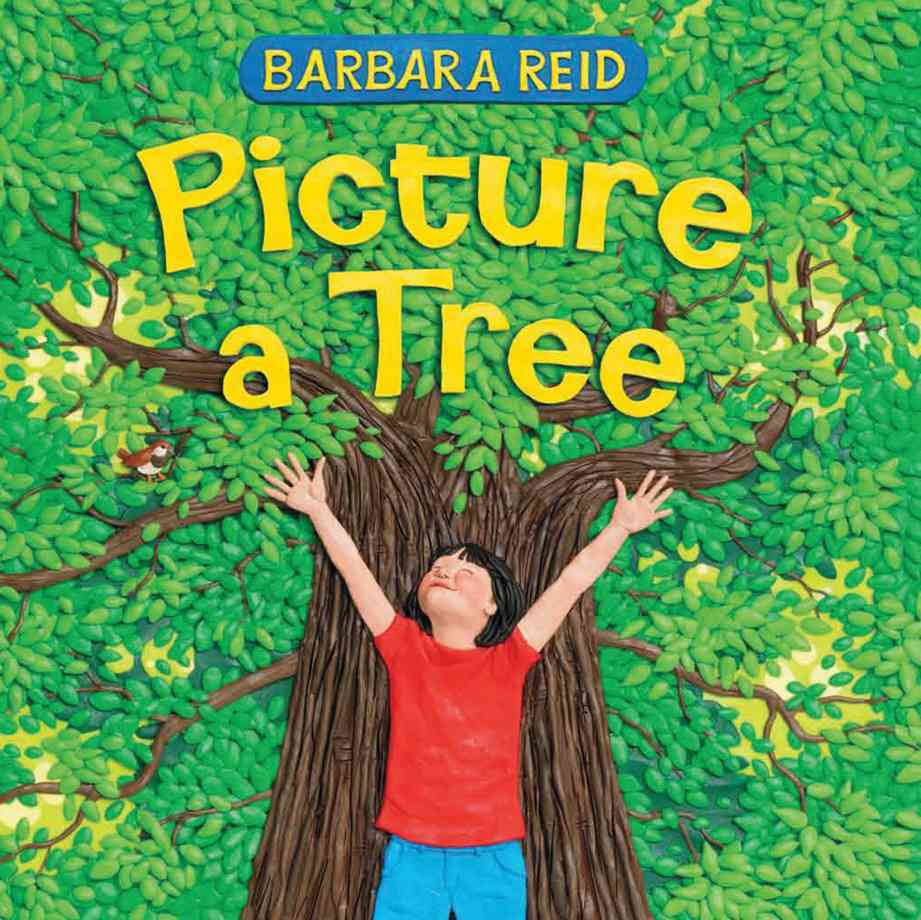 “There is more than one way to see a tree…” so begins this delightful picture book. New perspectives are shared with the reader and in the end ask the reader “what do you see” when you look at a tree. A tree is a sun umbrella on a hot summer day, a high-rise home sweet home for a bird’s nest, or skeletons in late Fall. The plasticine art work is stunning and will capture readers attention and draw them in to look closely at the detail.
This book is recommended.
Taking Hold: From Migrant Childhood to Columbia University
In this fourth of Jiménez’s autobiographies, the author recounts his life from when he started his graduate work at Columbia University in the late 1960s to when he began his professorship at Santa Clara University in 1973.
With few true accounts of the Latino experience in America, Francisco Jimenez’s work comes alive with telling details about the warmth and resiliency of family and the quest for identity against seemingly impossible odds.
This is an eloquent work about overcoming poverty to receive an advanced education. A wonderful book to inspire young Hispanics in their pursuit of a better life.